Extreme heat is costing South Asia the equivalent of 31 million full-time jobs each year, according to a World Bank report released in late July 2026. Rising temperatures could reduce the region’s GDP by nearly 7 percent by 2050, even as its working-age population expands by 280 million.
The report, titled “A Livable Future,” warns that without heat-resilient infrastructure and worker protections, the region’s economic engine—and the global supply chains that depend on it—faces mounting disruption.
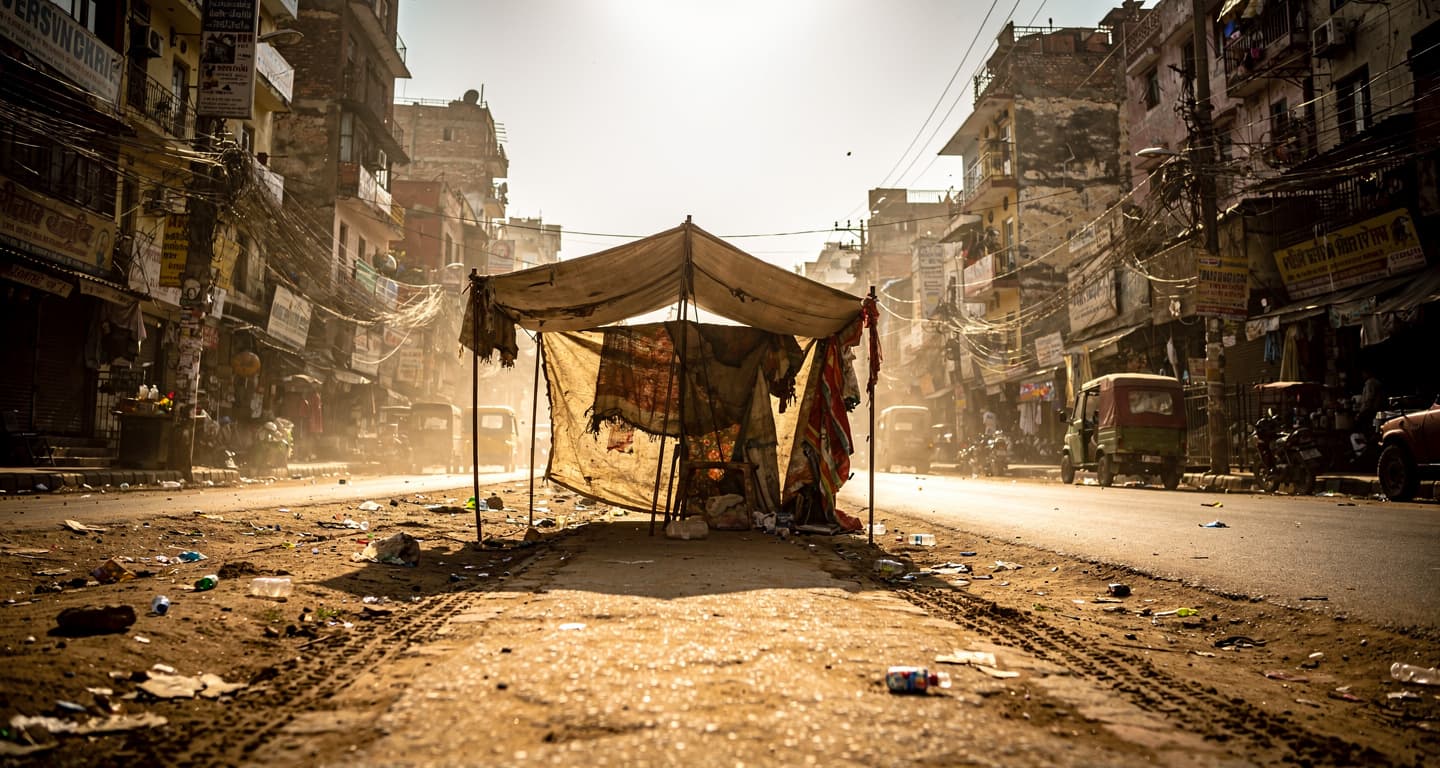
South Asia will add 280 million working-age people by 2050, more than any other region. The cities that must absorb them are already the hottest places to work. Concrete and asphalt trap heat, intensifying the urban heat island effect. For the millions who labour outdoors or in unventilated factories, the result is a daily erosion of output and health.
A World Bank report released in late July 2026 puts a number on the collision. Rising temperatures could shrink the region’s economy significantly by mid-century, even as the workforce swells. The heat is already destroying livelihoods, depressing productivity, and pushing the most vulnerable further into poverty, the report finds.
The heat is already costing 31 million jobs a year
The report estimates that extreme heat currently costs South Asia the equivalent of 31 million full-time jobs annually. By 2050, the GDP loss could reach nearly 7 percent. The projection is a model, not a forecast—it assumes no new adaptation beyond what is already in place. The actual outcome depends on how quickly cities and governments act.
According to John Warburton, Climate Resilience Lead for Asia Pacific at the UK Foreign, Commonwealth and Development Office, extreme heat across South Asia is destroying livelihoods, impacting public health, depressing productivity, and pushing the most vulnerable further into poverty.
The report also projects that by 2070, roughly 520 million people across the six countries could face at least one month of dangerous heat each year—a fourfold increase from current levels. For a garment worker in Bangladesh, a day above 35°C is not a statistic; it is a shift where output drops, pay is docked, and the risk of heatstroke rises.
The numbers below show the gap between the region’s demographic momentum and the heat that threatens to undercut it.
Cities with Heat Action Plans—early warning systems, cooling centres, public awareness—have shown they can reduce deaths and preserve productivity. The World Bank’s roadmap calls for scaling such measures, alongside heat-resilient infrastructure, worker protections, and expanded sustainable cooling.
| Entity | Current rule | New rule | Effective date |
|---|---|---|---|
| City Governments | Heat risk not systematically integrated into planning | Incorporate heat risk into planning, budgeting, procurement, emergency response, and infrastructure delivery | Proposed |
| National Governments | No unified standards or financing mechanisms for heat resilience | Set standards, build regulatory frameworks, and create financing mechanisms | Proposed |
| Heat Action Plans | Ad hoc implementation in a few cities | Standardized, funded, and integrated into urban planning | Proposed |
| Source: World Bank, “A Livable Future,” July 2026 | |||
The collision of urbanization and a supply chain that leaves no margin
South Asia’s cities are growing faster than their infrastructure. The World Bank notes that Indian cities may need about 70 percent of the urban infrastructure they will require by mid-century. Much of that will have to be built in places already struggling with heat. The same report that quantifies the job losses also points to a financing gap: the measures it recommends—cool roofs, green spaces, early warning systems—require investment that city budgets alone cannot cover.
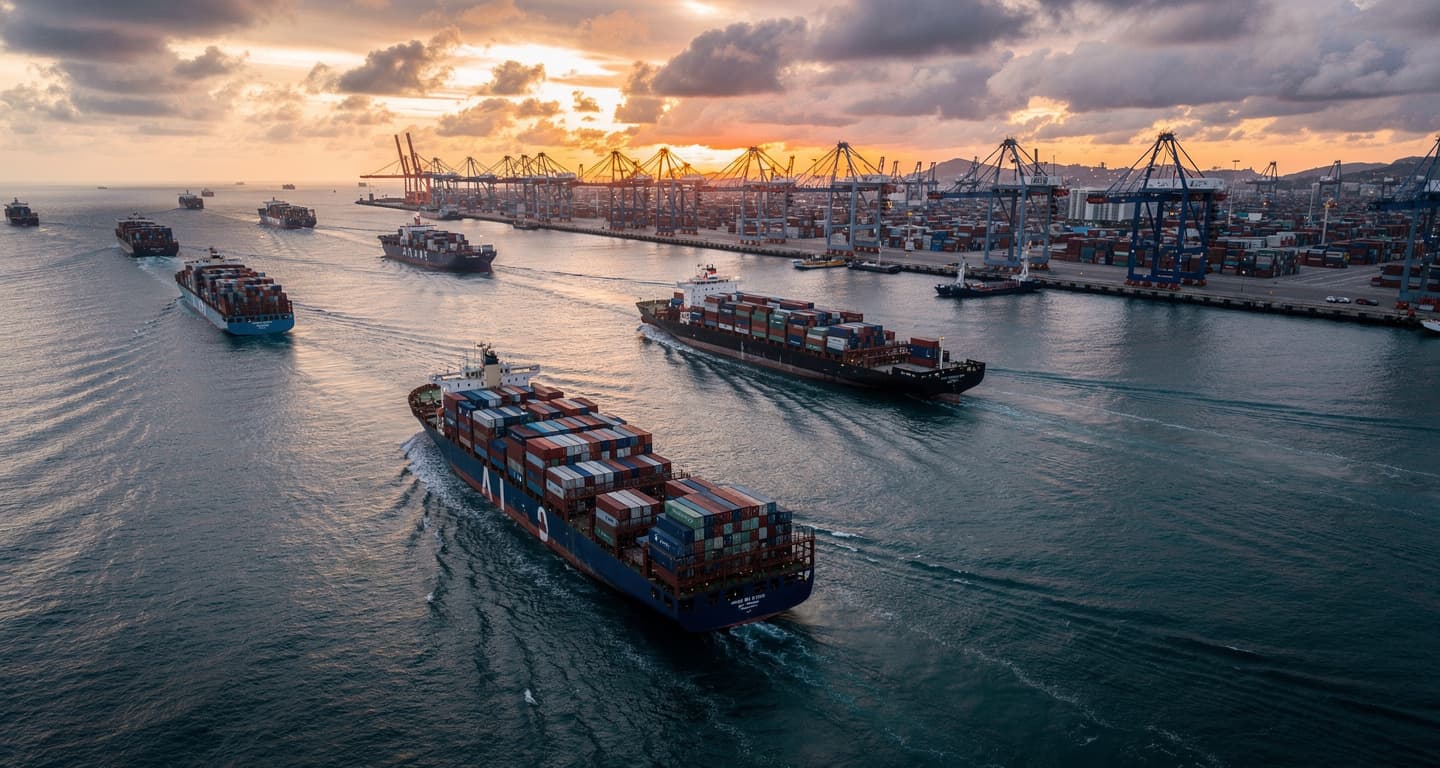
Western apparel demand adds another layer. Brands and retailers source heavily from South Asian factories, where price pressure and just-in-time ordering leave thin margins. That leaves less room for cooling, ventilation, and rest breaks. The result is a supply chain that is both exposed to heat and ill-equipped to absorb it.
India’s AHEAD cooling programme, expected to be detailed in the 2026 budget, is one test of whether the World Bank’s diagnostic will translate into industrial policy. If it materializes, it could signal that heat resilience is moving from recommendation to funded programme. If it does not, the adaptation agenda remains largely on paper.
The World Bank’s earlier growth projections already showed South Asia’s economy slowing to 6.3% in 2026, with smaller economies managing only 4.0%. Heat adds a structural drag that could make even those numbers hard to sustain. The next Indian budget cycle will show whether the diagnostic becomes a funded programme. For the 280 million workers entering the region’s cities, the difference is measured in degrees.
Beyond the headline
The Reach
When heat slows factory output in South Asia, Western retailers feel it in longer restocking times and less predictable inventory. The disruption travels through just-in-time supply chains, where even small delays cascade. For brands that rely on the region for a large share of their apparel, the risk is not theoretical—it is already priced into lead times that are stretching.
The Bigger Picture
South Asia is urbanizing while its workforce grows. The same cities that must house and employ millions of new workers are also the places where heat concentrates most intensely. The region is being asked to absorb more people into environments that are becoming less productive, a dynamic that will test both economic policy and social stability.
The Response Gap
The World Bank’s roadmap calls for planning, standards, cooling, and worker protection. But the report does not specify who pays or who enforces. Without named financing streams and the capacity to implement at city scale, heat resilience remains a set of recommendations rather than an operational programme. Closing that gap is the next, harder step.
What the heat projections mean for Western supply chains and portfolios
With the World Bank’s findings now public, companies, investors, and policymakers face decisions that will shape supply chains and portfolios for years.
- Western Apparel Supply Chain Manager
You need to assess how heat stress affects your suppliers in Bangladesh, India, and Sri Lanka. The report’s job-equivalent losses translate directly into lower throughput and missed deadlines. Review your sourcing contracts for heat-resilience clauses, and consider co-investing in factory cooling and ventilation. The World Bank’s report page provides country-level breakdowns that can inform your risk mapping.
- Western Investor with South Asian Market Exposure
A potential 7% GDP contraction by 2050 is a material risk for portfolios heavy in South Asian manufacturing and infrastructure. Re-evaluate your exposure to sectors most vulnerable to heat—textiles, agriculture, construction—and look for companies investing in adaptation. The UK FCDO’s climate resilience programme pages may signal where new funding will flow.
- UK Foreign Policy Analyst for South Asia
Climate-driven economic instability in a region of strategic importance will affect aid effectiveness and regional stability. The report strengthens the case for integrating heat resilience into UK aid programmes. Monitor India’s AHEAD cooling programme commitments in the upcoming budget as a bellwether for whether adaptation is moving from diagnosis to implementation.
- Western Consumer of South Asian Textiles
The t-shirt you buy may soon cost more, not because of tariffs, but because the factory that made it is too hot to run at full capacity. Brands that invest in worker safety and cooling will be more resilient. Look for transparency about heat stress in supplier codes of conduct, and support companies that disclose their adaptation investments.
Explainer
- Heat Action Plans
- City-level strategies to protect residents during extreme heat events. They typically include early warning systems, public cooling centres, and outreach to vulnerable populations. Ahmedabad, India, implemented one of South Asia’s first such plans in 2013, and studies have linked it to a measurable drop in heat-related deaths.
- Urban heat island
- The phenomenon where cities are significantly warmer than surrounding rural areas due to heat-absorbing surfaces like concrete and asphalt. The effect can raise temperatures by up to 12°C, amplifying the health and productivity risks of heatwaves. In South Asia, rapid, unplanned urbanization is intensifying the effect in cities that already face high baseline temperatures.
- AHEAD cooling programme
- India’s planned national initiative to expand access to sustainable cooling and heat resilience. Expected to be detailed in the 2026 budget, it would support manufacturing of energy-efficient cooling equipment and infrastructure. If funded, it could become a model for translating the World Bank’s heat-resilience recommendations into industrial policy.
RELATED STORIES