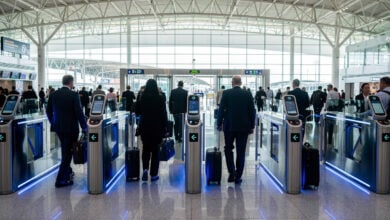
Taiwan recorded 2.97 million inbound visitors from January to April 2026, up 3.9% on the year, while Taiwanese took 7.14 million trips abroad, up 20.3%. Outbound travel has now passed its 2019 level. Inbound arrivals remain far below the record 14.93 million who came in 2019. The Tourism Administration has set a 12-million inbound target for 2025 and is widely expected to miss it.
Japan remains the top source of visitors and the top destination for Taiwanese travellers. The bigger story is a deliberate pivot: Taipei now wants higher spending per visitor, not bigger crowds.
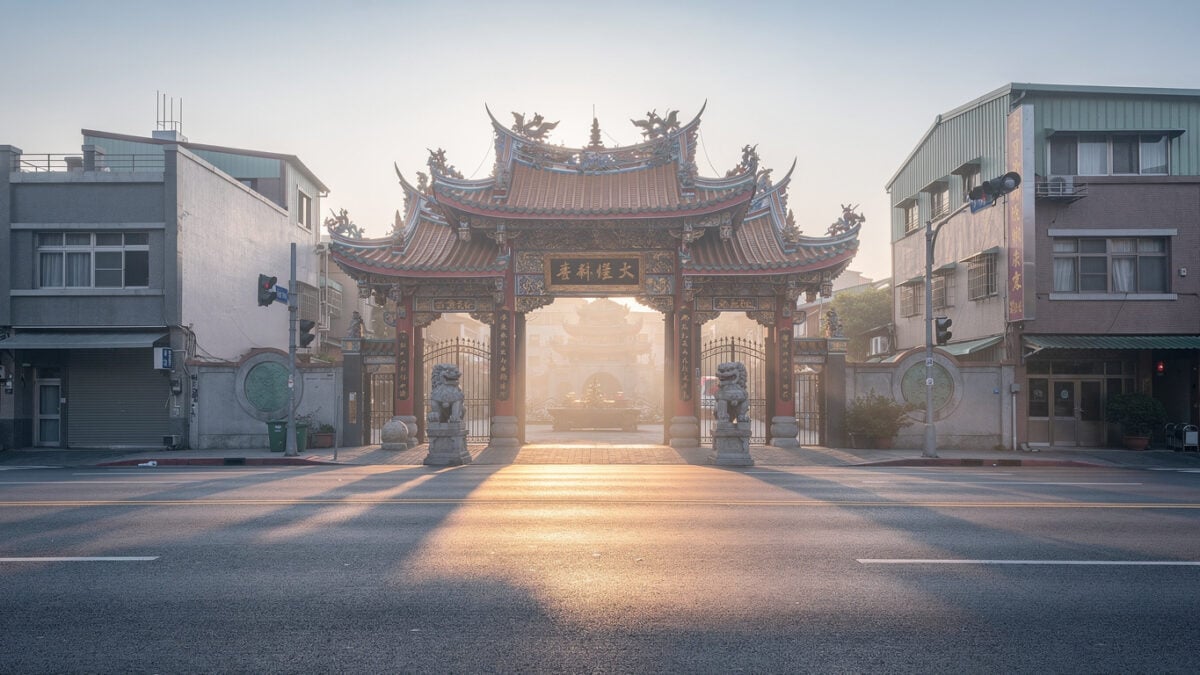
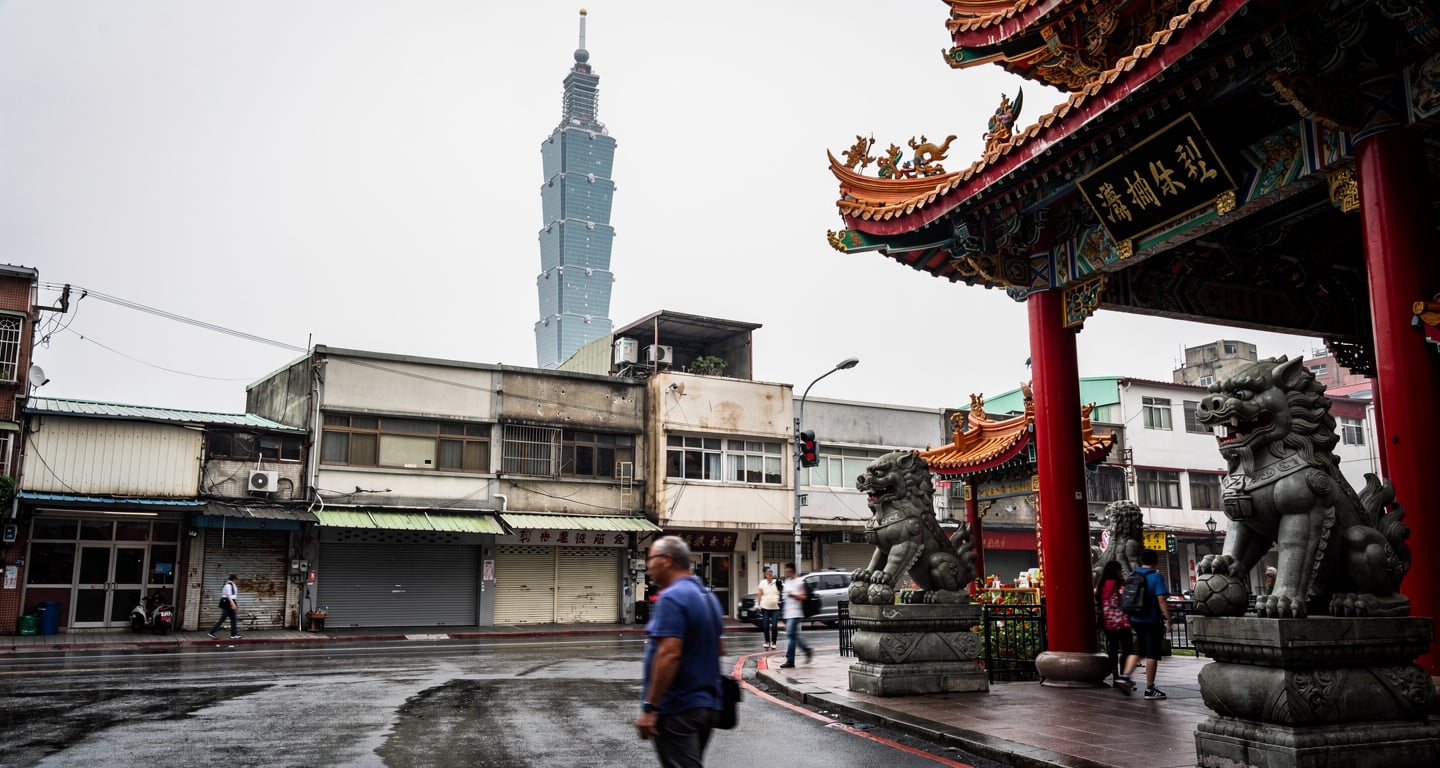
Book a trip to Taiwan in mid-2026 and you will find the place noticeably less crowded than it was before the pandemic. Weekday queues at major temples and museums are short. Hotel rooms are easier to get. That is the part the official recovery numbers do not say out loud.
The figures look like progress. Inbound arrivals rose 3.9% in the first four months of the year. But the base matters. Taiwan welcomed nearly 15 million foreign visitors in 2019, and it is nowhere near that pace now.
Meanwhile Taiwanese themselves are flying out in record numbers. They are spending their travel money in Tokyo and Osaka, not at home. That gap — foreigners staying away while locals leave — is the problem Taipei is now trying to solve, and it has stopped pretending it can fix it with volume alone.
ALSO WORTH READING

The recovery is real, but lopsided
Chou Yung-hui, Director-General of the Taiwan Tourism Administration, has said the island will shift from volume to value, targeting higher-spending segments such as long-haul visitors and themed tours. He admits arrivals may stay below 2019 levels for a while. That is an unusual thing for a tourism chief to concede.
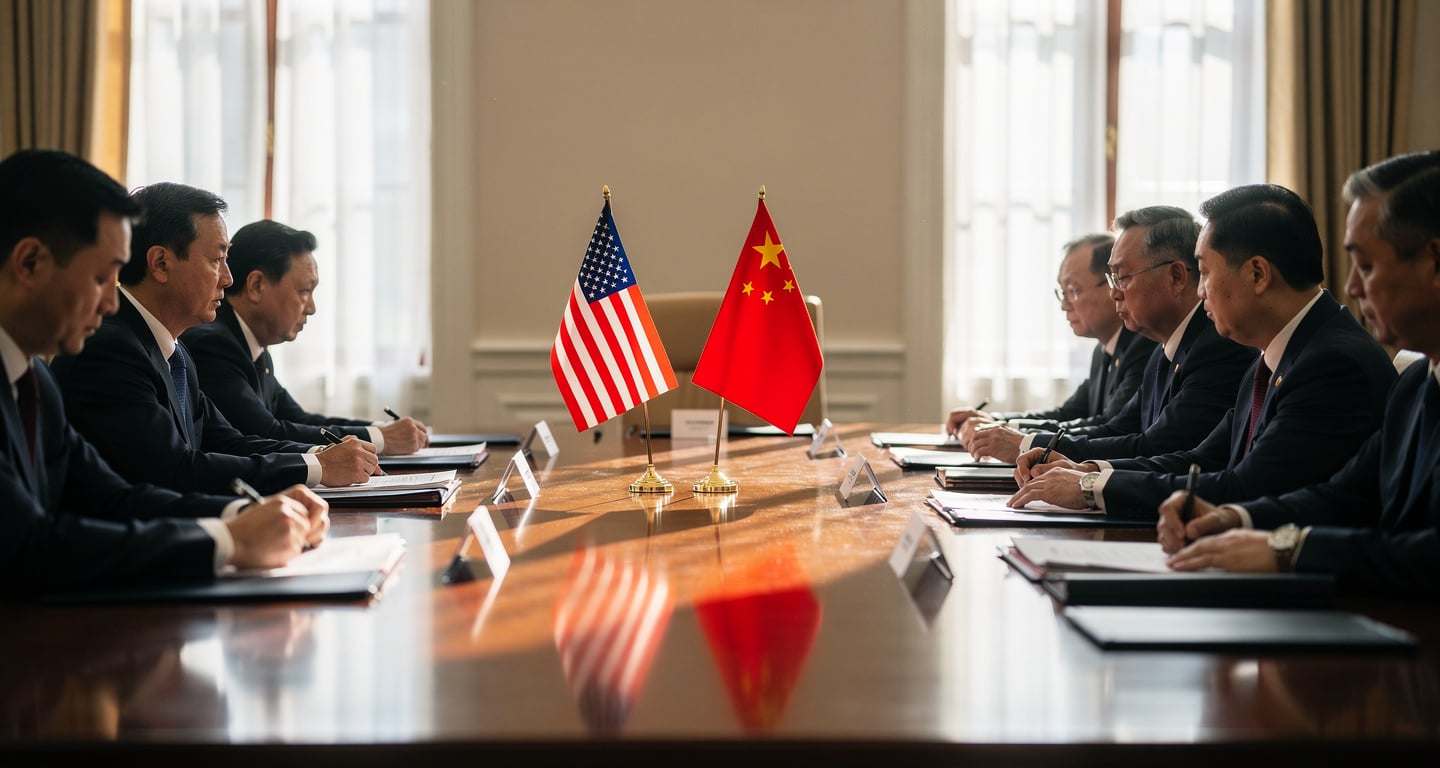
The reason sits offshore. Transport Minister Wang Kwo-tsai has noted that inbound tourism from China remains held back by Beijing’s group-tour ban and limited cross-strait flights, slowing Taiwan’s rebound against its Northeast Asian peers. China was once a huge share of Taiwan’s visitor count. That tap is mostly closed.
So Taipei is chasing money instead of headcount. Per-visitor spending hit about NT$43,000 in 2024, according to the Tourism Administration — higher than the 2019 figure. The strain between strong outbound numbers and weak inbound ones, charted below, is the whole story in one picture.
| Metric | Figure | Period | Source |
|---|---|---|---|
| Inbound visitors | 14.93M | 2019 | Tourism Administration |
| Inbound visitors | 8.66M | 2024 | Tourism Administration |
| Inbound visitors | 2.97M (+3.9%) | Jan–Apr 2026 | Tourism Administration |
| Outbound trips | 7.14M (+20.3%) | Jan–Apr 2026 | Tourism Administration |
The numbers show what Taiwan is up against. They do not yet show whether the value pivot can close the gap.
Taiwan is betting on fewer, richer guests
The pivot is now written into policy. Taiwan’s National Tourism Development Plan for 2025 to 2036 aims to lift average inbound spending to NT$60,000 and stretch the average stay to 7.5 nights by 2030. The plan reads as an admission. Taipei has stopped chasing 2019’s mass-market crowds.
Geopolitics is part of why. Nomura Global Markets Research analysts have written that cross-strait tensions and weaker Chinese outbound demand will likely keep Chinese visitor numbers low through at least 2026. Japan and South Korea, by contrast, drew on more varied source markets and bounced back faster. UN Tourism data show both at or above their 2019 arrival levels, while Taiwan still trails — though that gap reflects who can come, not whether people want to.
So the less-crowded Taiwan you find on a weekday is not a failure of demand. It is the shape of a deliberate choice — a smaller, higher-value visitor base that Taipei now prefers to the volume it cannot easily win back.
Beyond the headline
The bigger picture
Taiwan’s uneven rebound is less about one season and more about how small, trade-dependent economies are re-engineering visitor flows under geopolitical and climate pressure. As cross-strait politics, airline capacity, and sustainability limits reshape who can come, Taiwan is using this window to pivot toward a smaller but more lucrative mix of travellers rather than recreate the 2019 model.
The reach
One under-noticed actor is the regional aviation network. Decisions by Taiwanese and Japanese carriers on where to put limited wide-body aircraft will decide how easily Western visitors can combine Taiwan with other Asia stops. If more capacity shifts onto Taiwan–US and Taiwan–Europe routes to chase premium fares, the island becomes a more attractive long-haul hub while short-haul Chinese group traffic fades further.
The timing
This rethink lands just as Taiwan rolls out its 2025–2036 plan and airlines finalise post-pandemic fleet renewals. Both clocks matter. Policy can push for higher-spend, longer-stay visitors, but only as new aircraft and routes arrive over the next two to four years will it become clear whether Taiwan closes its recovery gap with Japan and South Korea or settles into a smaller niche.
What to do before you book Taiwan
With a less-crowded island and entry rules that can shift quietly, here is what matters for your trip and your money.
- Western leisure travellers
You likely need no visa, but confirm your stay limit and passport validity on the Bureau of Consular Affairs site (boca.gov.tw) before booking flights. Eligible durations differ by nationality and can change with little notice. Off-peak West Coast US economy returns often run in the mid-hundreds of dollars.
- Weather-sensitive trip planners
Typhoon season runs July to October, with September the worst, and storms can ground flights and island travel. Aim for March to May or November to early December for steadier weather and lighter crowds. Check the Central Weather Administration’s English updates before locking in non-refundable bookings.
- Business and tourism investors
The shift to higher per-visitor spending signals where money will flow: MICE, medical tourism, and long-haul premium routes, not mass-market volume. Watch the Tourism Administration’s mid-year statistics in late July 2026 to judge whether the value strategy is holding without crushing arrival numbers.
FAQ
When is the best time of year to visit Taiwan?
The shoulder seasons of March to May and November to early December usually offer the steadiest weather and thinner crowds. Typhoon season runs July to October, with September the most active, and storms can suspend flights and island transport. Taiwan’s Central Weather Administration publishes English-language typhoon warnings and likely transport disruptions, so monitor it before travelling during the wet months.
Is Taiwan currently safe for tourists?
US, UK, and Australian advisories rate Taiwan a low-risk destination, with routine caution for typhoons and earthquakes rather than crime. Petty crime is considered low by regional standards, and public transport is reliable and cashless in cities. Confirm the latest guidance on your own government’s travel page before finalising non-refundable bookings, as advisories can change.
Will fewer tourists mean cheaper travel in Taiwan?
Partly. The island is noticeably less crowded on weekdays, and rooms are easier to find, but Taipei hotel prices have edged up. Taichung and Tainan remain cheaper. With the government chasing higher-spending visitors, expect more premium offerings over time rather than across-the-board discounts. Mid-range Taipei rooms still run about US$75 to US$105 a night.
Explainer
- Taiwan Tourism Administration
- Taiwan’s national tourism authority, which sets visitor targets and shapes strategy. It was upgraded from a bureau to a full administration in 2023, reflecting tourism’s economic weight. Its mid-year statistics release, due in late July 2026, will be the first clear test of whether the value-over-volume pivot is holding arrival numbers steady.
- National Tourism Development Plan
- Taiwan’s 12-year tourism blueprint covering 2025 to 2036. It sets explicit targets to raise average inbound spending to NT$60,000 and lengthen the average stay to 7.5 nights by 2030. The plan formally codifies the move away from mass-market volume toward high-value, sustainable tourism, an unusual stance for a destination still below its peak arrivals.