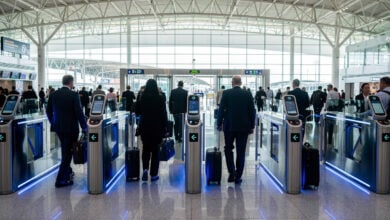
Taiwan recorded about 3 million inbound visitors by April 2026, up 4% year on year, while its own people took more than 7 million trips abroad, a 20% jump. Japan remains the top source of arrivals and the top destination for Taiwanese travellers. Both numbers sit well below pre-pandemic levels, and officials do not expect to hit their 2026 inbound target.
The gap is widest with China, Japan and South Korea, the markets that once filled Taiwan’s hotels. Taipei is now chasing spend per visitor instead of raw headcount.
Here is the number that should worry Taiwan. For every foreign visitor who arrived this spring, more than two Taiwanese flew out.
By April 2026, Taiwan had logged around 3 million inbound visitors. In the same window, its residents made over 7 million trips abroad. That is money leaving the island faster than it comes in.
The Tourism Administration set a target for 2026 it now does not expect to meet. The shortfall is not spread evenly. It sits in three specific markets that used to do the heavy lifting: China, Japan and South Korea. Those are the seats that are not coming back, and they are forcing a rethink of what Taiwan’s tourism is actually for.
ALSO WORTH READING


The seats that are not coming back
Start with the source markets. Japan is still the top supplier of visitors to Taiwan. But the three big East Asian feeders — China, Japan and South Korea — all sit below where they were in 2019. China is the deepest hole. Group-tour approvals from the mainland never fully reopened, and that line has not moved.
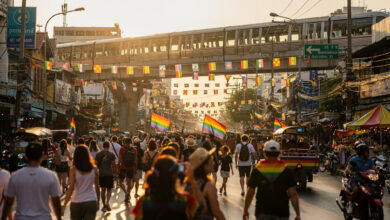
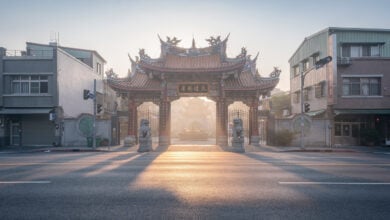
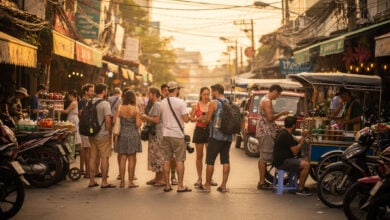
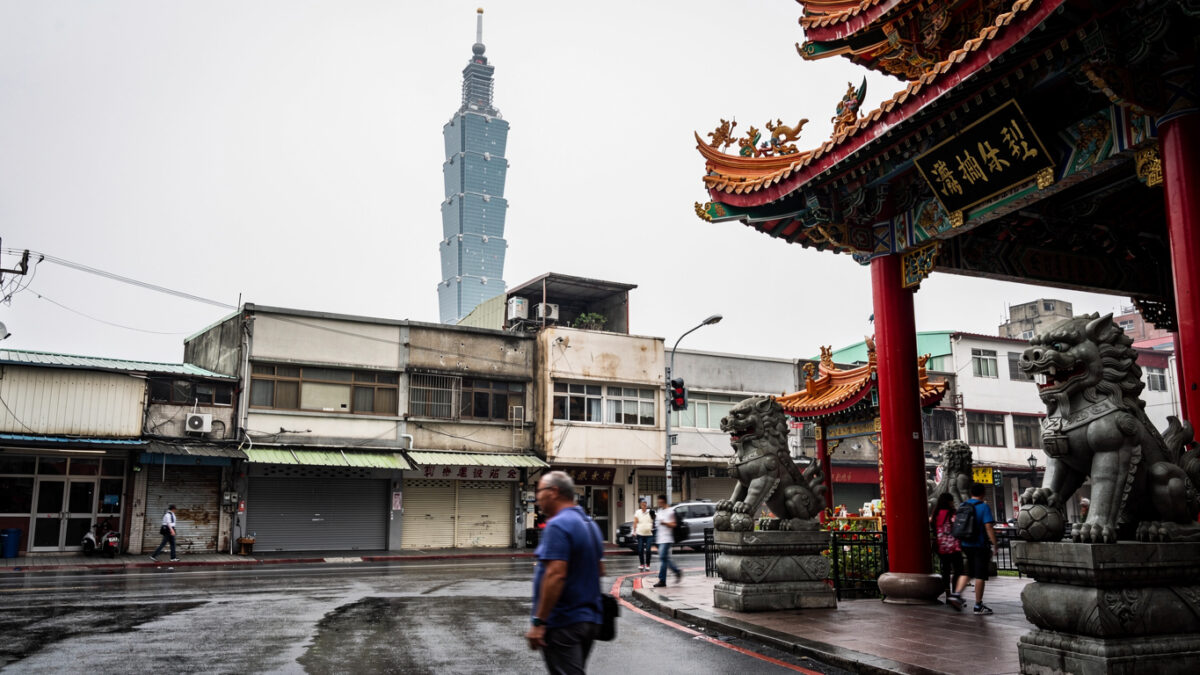
The official campaign sells “crowd-free nature and culture.” Recent traveller accounts say that is partly true. English-language outlet Taiwan News reported in April 2026 that Taipei 101 and Ximending stay busy on weekends but rarely hit pre-COVID tour-group levels, while smaller temples sit quiet on weekdays. Hotel occupancy in Taipei still trails 2019, with scenic counties like Hualien and Taitung holding up better.
So Taipei has changed the question. Instead of counting heads, it now wants to count spending and nights stayed. The Tourism Administration is steering toward higher-value visitors who stay longer and spend more per trip. Quality over quantity is the official line. It is also an admission: the volume model that relied on Chinese tour buses is gone, and nobody expects it back soon.
The strategy reads well on paper. Whether it can replace the revenue those missing markets carried is the open question.
The China-shaped hole nobody can fill on schedule
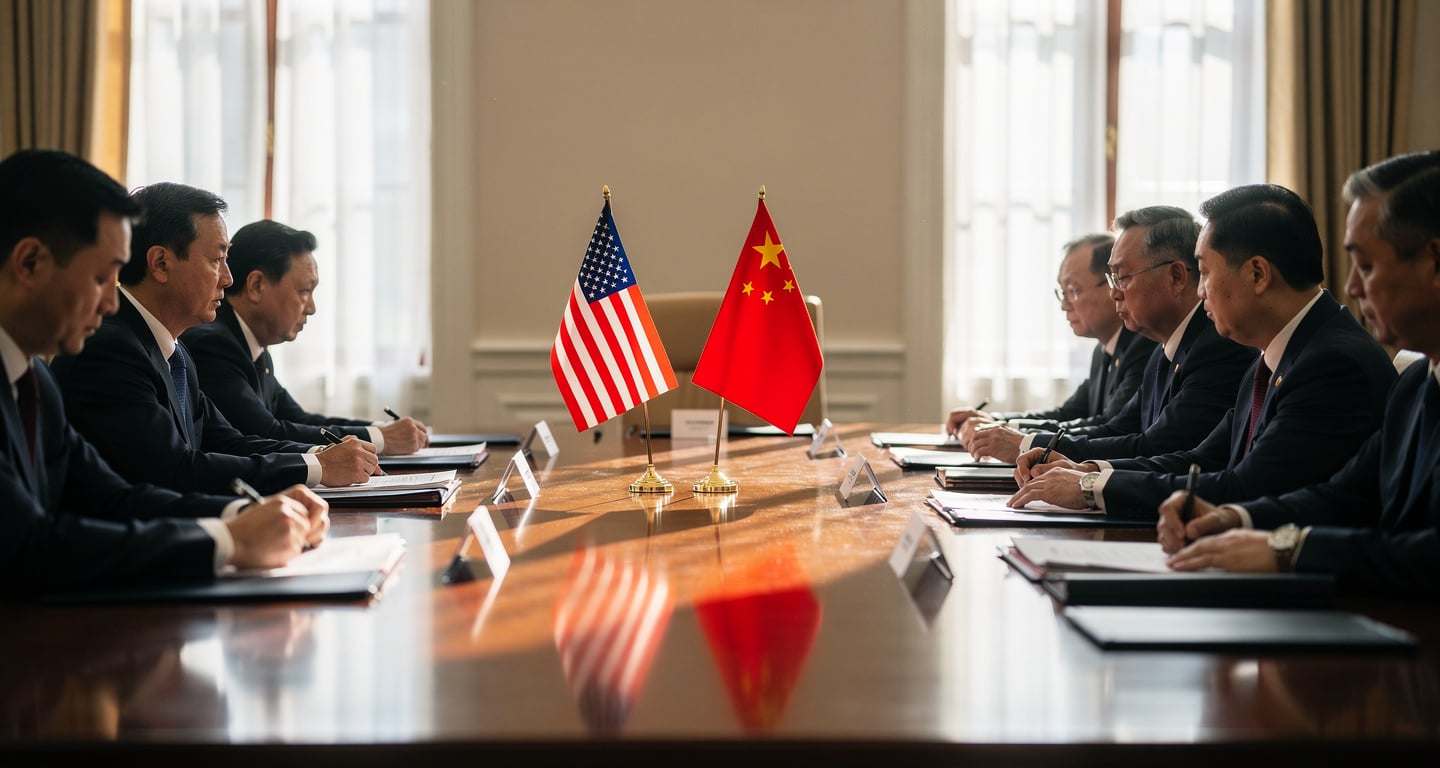
The gap is not a market cycle. It is policy. Mainland China treats tour-group approvals as a political lever, and across the strait that lever stays mostly off. Japan and South Korea read the slump differently — weak currencies and tight household budgets keeping their own travellers closer to home.
So Taiwan is doing what other mid-sized destinations did after their own shocks. New Zealand and Iceland both moved to high-value, diversified visitors when volume turned unreliable. The difference here is the cause. This is geopolitics, not a market dip.
The policy table below lays out who can walk in and how long they can stay.
| Passport region | Entry type | Max stay | Fee |
|---|---|---|---|
| US / Canada | Visa-free, no application | 90 days | None |
| EU / Schengen | Visa-waiver programme | 90 days | None |
| Australia / New Zealand | Visa-free, no application | 90 days | None |
Which brings it back to the number from the start. More than two Taiwanese fly out for every visitor who arrives. The high-value strategy is a bet that fewer guests can spend like more — a bet the missing Chinese, Japanese and Korean seats are forcing Taipei to make whether it wants to or not.
Beyond the headline
The bigger picture
Taiwan’s stop-start rebound is a test case for mid-sized economies losing a dominant source market. With Chinese group travel unlikely to snap back, Taiwan is being pushed into the high-value model that New Zealand and Iceland adopted after earlier shocks. The difference is the shadow of hard geopolitics rather than a pure market cycle.
The timing
Taipei is recalibrating just as airlines rebuild regional networks and East Asia lags the global travel rebound. Moving now lets Taiwan lock in routes and partnerships before full capacity returns elsewhere. Waiting risks being boxed out by Thailand or Singapore, both already chasing long-haul, high-spending travellers.
The regional split
Japan and South Korea frame the moment as a budget-and-currency problem limiting their own outbound travel. Taipei frames it as a chance to stop depending on any single neighbour. Mainland China keeps treating tour approvals as a political tool, widening the gap between cross-strait policy and the rest of the region’s travel flows.
What a thinner Taiwan means for your trip
With recovery uneven and crowds below 2019 levels, the practical picture splits by who you are.
- Western leisure travellers
You get a less crowded version of a major East Asian destination. Weekday temples and old streets are quiet, queues at night markets are shorter than pre-pandemic, and the high-speed rail is punctual with contactless payment everywhere. September and October offer the best window: typhoon risk tapers, skies clear, and tourist flows thin after summer.
- Budget-conscious flyers
Economy return fares from Europe or North America often land in the US$900–1,400 range in mid-2026, usually with one stop in Tokyo, Seoul, Singapore or Hong Kong on EVA Air or China Airlines. Taipei hotel rates have risen from pandemic lows but still undercut Tokyo or Seoul for similar categories. Smaller cities stay cheaper.
- Business travellers and investors
This is a market in transition, with openings in higher-value tourism services as Taipei courts longer stays and bigger spend. Watch the Tourism Administration’s full-year 2026 arrival data in early 2027. Numbers near 8–9 million signal the strategy works; stagnation around 4 million points to fresh incentives or new air agreements.
FAQ
Can I extend my 90-day visa-free stay in Taiwan?
Generally no. BOCA confirms most visa-exempt visitors — including US, Canadian, Schengen, Australian and New Zealand passport holders — may stay up to 90 days per entry for tourism or business, but extensions are not granted for visa-free entries. Anyone needing longer must apply for a visa or residence permit in advance. You also cannot work on a visa-free entry, and immigration can request proof of onward travel and funds.
How far ahead should I book Taiwan’s high-speed rail?
Taiwan High Speed Rail opens online booking in English up to 28 days before travel. Peak-time trains between Taipei, Taichung and Kaohsiung often sell out around major holidays, but same-day seats are usually available at other times. For the scenic Eastern Line toward Hualien on Taiwan Rail Administration services, book ahead in high season — those routes fill faster than the high-speed network.
What happens to my plans if a typhoon hits?
Taiwan’s Central Weather Administration notes most typhoons land between July and October. When warnings cause flight cancellations or suspended rail, airlines and rail operators typically offer fee-free rebooking or refunds under force-majeure policies. Hotel cancellation terms vary widely, so book flexible rates or carry travel insurance that covers weather disruption. Plan summer trips with this risk built in, not as an afterthought.
Explainer
- Tourism Administration
- Taiwan’s national tourism body, responsible for setting visitor targets and shaping strategy. It was upgraded from a bureau to a full administration in 2023, signalling a higher policy priority for the sector. Its current pivot toward spending and length of stay marks a deliberate break from the volume-driven model that depended on Chinese tour groups.
- Bureau of Consular Affairs (BOCA)
- The arm of Taiwan’s Ministry of Foreign Affairs that handles visas, passports and entry rules. It publishes visa-waiver eligibility country by country and updates the list with limited public notice. BOCA also runs the document-authentication services foreign residents need for work permits, a step many visa-free tourists never see.