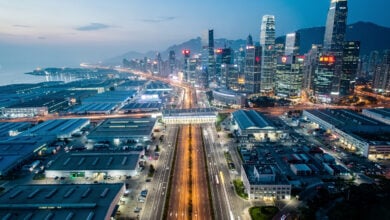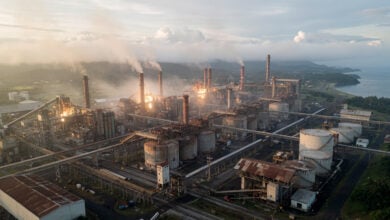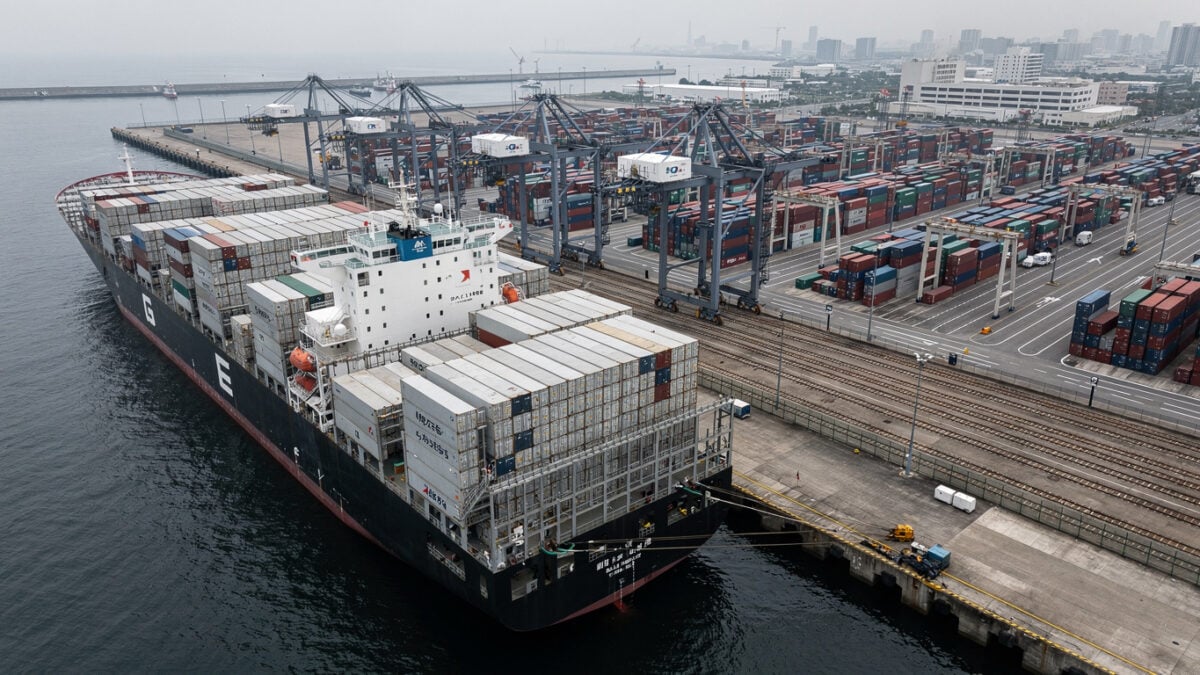
Japan is facing what its banana trade calls the worst supply squeeze in five decades, and the cause sits nowhere near a farm. The fruit arrives green and must be ripened with ethylene gas, made from naphtha, refined from crude oil. With the Strait of Hormuz disrupted by Middle East conflict, that chain has tightened. Japan imports more than 90 per cent of its crude, and its naphtha stocks have fallen sharply through 2026.
The country brought in roughly 1 million metric tons of bananas last year. None of that volume helps if the gas to ripen it runs short.
A banana does not ripen on the boat. It arrives in Japan hard and green, then sits in a sealed room while ethylene gas coaxes it to yellow. That gas is the bottleneck now. The Japan Banana Importers Association describes the current squeeze as the worst the country has seen in 50 years, and the trigger is not a crop failure or a shipping strike. It is a chokepoint roughly 8,000 kilometres away.
Ethylene comes from naphtha. Naphtha comes from crude oil. Japan buys almost all of its crude abroad, and a large share of the world’s oil moves through one narrow sea lane. When that lane is disrupted, the cost surfaces in odd places. This time it surfaced in the produce aisle. The question is not why bananas are short. It is how a fruit ended up hostage to a petroleum market.
A staple priced in a market that has nothing to do with fruit
Start with the number the headline skips. Japan’s naphtha inventories have fallen by about 25 per cent so far in 2026. That is the figure that matters, because naphtha is the feedstock that becomes ethylene, and ethylene is what turns a green banana into a sellable one.
ALSO WORTH READING
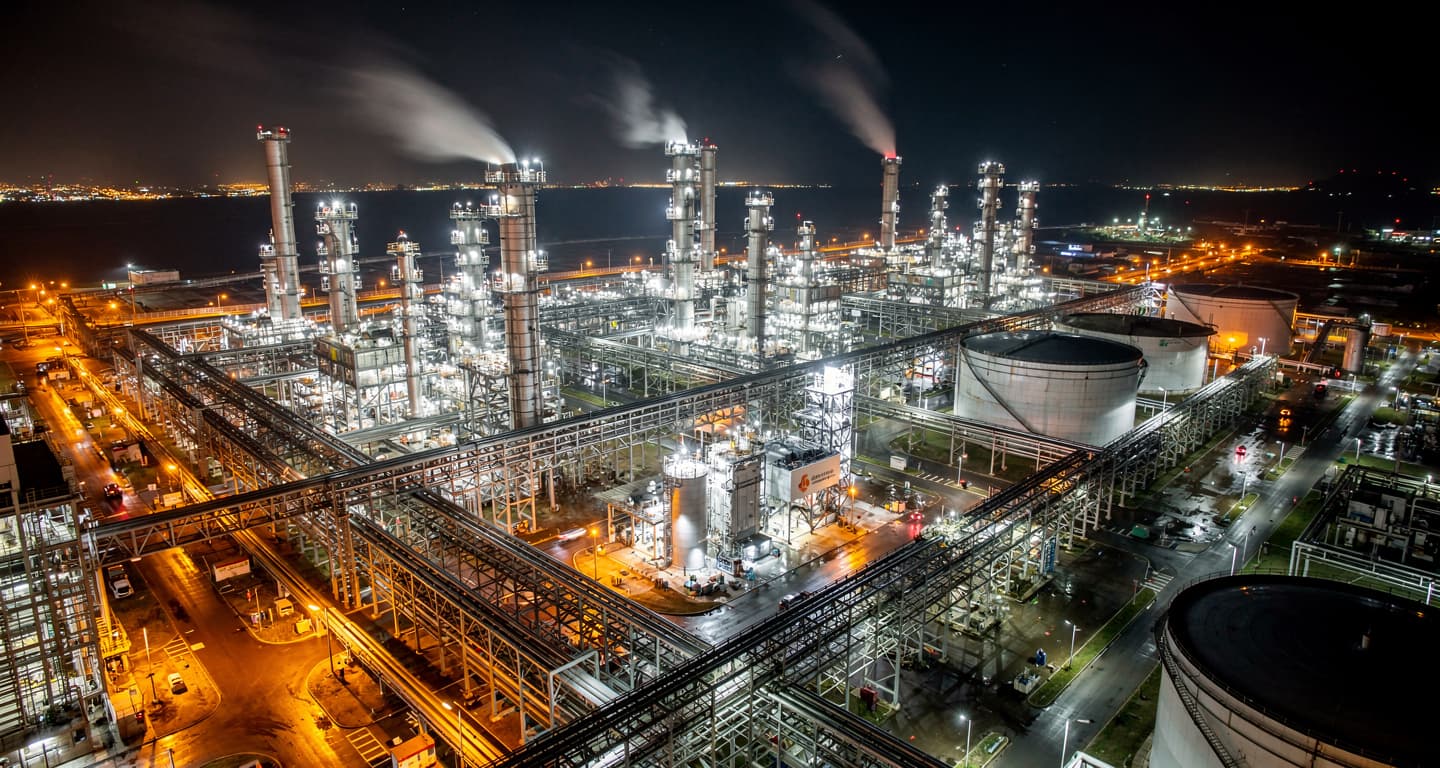
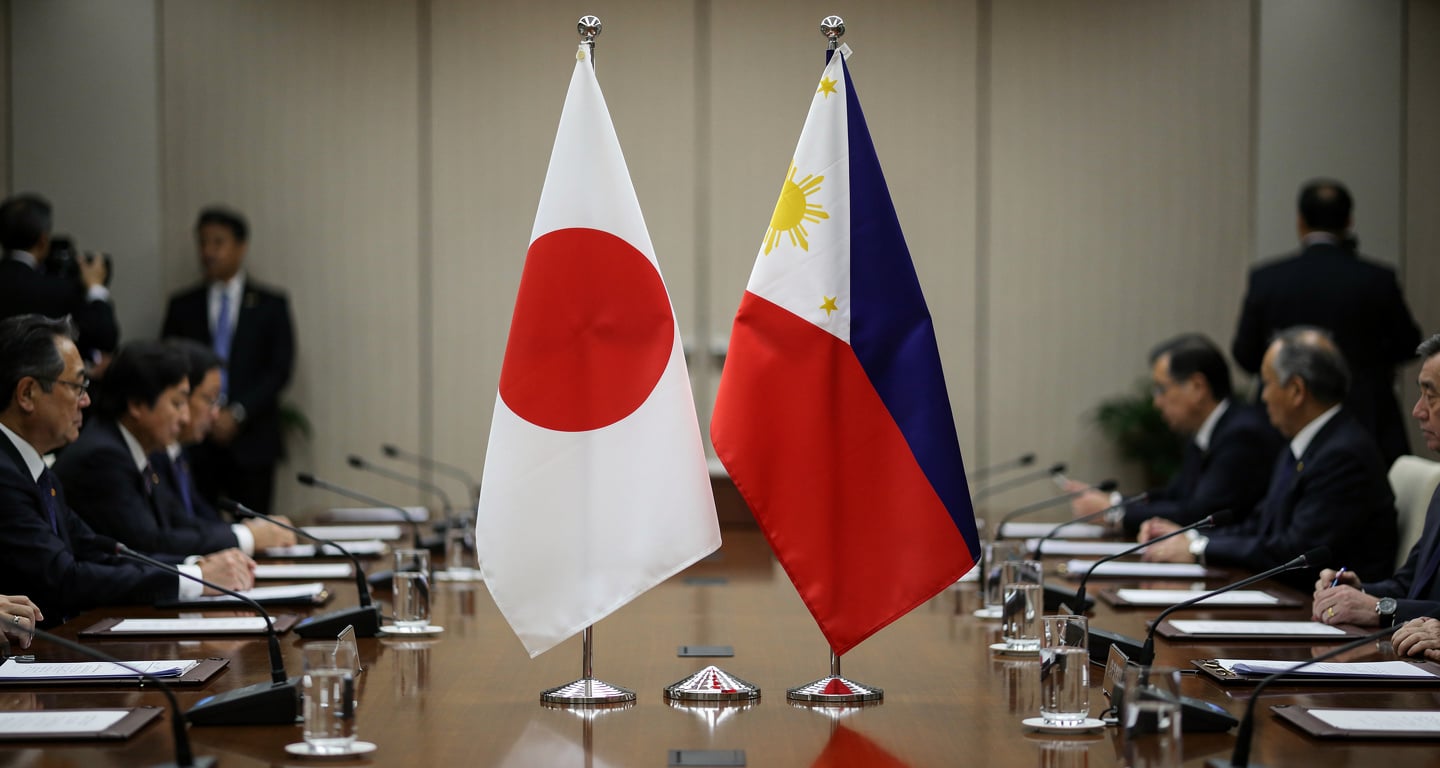

The dependency runs deeper than one fruit. Japan imports over 90 per cent of its crude oil. It has almost no domestic cushion when the supply route narrows. The disruption traces to the Strait of Hormuz, the sea passage through which close to 20 per cent of global petroleum moves.
Eiji Akashi, secretary general of the importers’ association, has characterised the shortage as the most severe in five decades. That framing is worth weighing carefully. It describes the ripening squeeze, not a collapse in banana arrivals themselves — the fruit can reach port and still sit unsold if the gas to finish it is rationed.
For a Tokyo grocery buyer, the math is brutal in its simplicity: a pallet of green bananas with no ripening slot is not inventory. It is spoilage waiting to happen. You can read the full energy-dependency picture in Japan’s official energy agency data, which shows how little slack the system carries.
The shortage is documented. What it does not yet explain is why a wealthy, advanced economy built a fruit supply that breaks the moment an oil lane closes.
The chain that turns a Gulf shipping shock into missing fruit
The mechanism is a relay. Crude becomes naphtha. Naphtha becomes ethylene. Ethylene becomes ripening capacity. Each step is fine on its own. Stacked together, they mean a disruption in the Gulf can arrive months later as an empty shelf in Osaka.
This is the part worth sitting with. Japan’s food fragility here is not agricultural. It is an energy-import problem wearing a banana costume.
The ripple will not stop at Japan’s coastline. South Korea and Taiwan run on the same logic — heavy energy imports, dense just-in-time food logistics, little domestic feedstock. If the Hormuz disruption deepens, both are likely to build inventory buffers and scrutinise petrochemical supply, which spreads pricing pressure across East Asian chains rather than keeping it a Japan-only fruit story.
So the banana is not really the story. It is the signal. A staple food, ordinary and cheap, turns out to be priced upstream in a petroleum market most shoppers never think about — and that link holds whether or not the next ship clears the strait.
Beyond the headline
The bigger picture
Consumer prices can be set far upstream, in energy and petrochemical markets rather than on a farm. The chain turns imported crude into naphtha, naphtha into ethylene, and ethylene into ripening capacity. A shipping shock in the Gulf surfaces later as missing fruit on a supermarket shelf.
The money trail
The pressure point is not the banana trade. It is the producers and traders who control naphtha and ethylene supply. When feedstock tightens, the advantage moves to whoever holds stockpiles, storage, or pricing power, while importers and retailers absorb the swings through higher handling costs.
The reach
Input shocks travel through contract pricing even when the final product is ordinary and low-value. A disruption in one petroleum-linked intermediate can widen procurement risk for supermarket groups and wholesalers that lean on just-in-time import logistics.
What a closed sea lane does to your shopping basket
With Gulf shipping disruption still developing and Japan’s naphtha stocks falling, three groups face decisions in the next few weeks.
- Investors with Japan-linked exposure
Watch Japan-listed logistics and regional petrochemical producers for pass-through pricing power over the next six months. The signal is not banana volumes — it is whether naphtha-driven input costs start showing up in importer and wholesaler margins. Japan’s Ministry of Economy, Trade and Industry is expected to update naphtha inventory and refinery-run figures within one to two weeks.
- Importers and food distributors
Treat this as a feedstock risk, not a fruit risk. If you depend on petroleum-linked intermediates anywhere in your chain, model what a sustained Hormuz disruption does to your contract pricing, not just your produce orders. South Korea and Taiwan face the same exposure, so regional buffers may tighten supply further.
- Consumers tracking everyday prices
Expect the squeeze to show first in items that need processing after import, not only bananas. If METI’s upcoming inventory figures stabilise, the ripening crunch should ease; if they keep falling, broader food-import price pressure becomes the more likely path.
Explainer
- Ethylene
- A petroleum-derived gas used to artificially ripen fruit picked and shipped while still green. It is produced from naphtha, itself refined from crude oil, which ties fruit ripening to the energy market. In Japan’s case, bananas arrive hard and are finished in sealed ripening rooms, so an ethylene shortfall stalls the fruit even when shipments arrive on time.
- Strait of Hormuz
- A narrow sea passage between Iran and Oman that connects the Persian Gulf to the open ocean. Close to a fifth of the world’s petroleum supply moves through it, making it one of the most critical energy chokepoints on the planet. Its disruption matters far beyond oil prices because petroleum feeds intermediate products like naphtha that reach into food and consumer-goods supply chains.