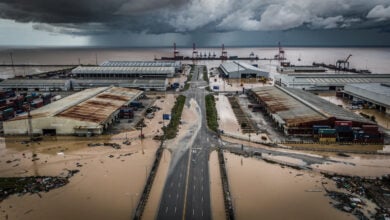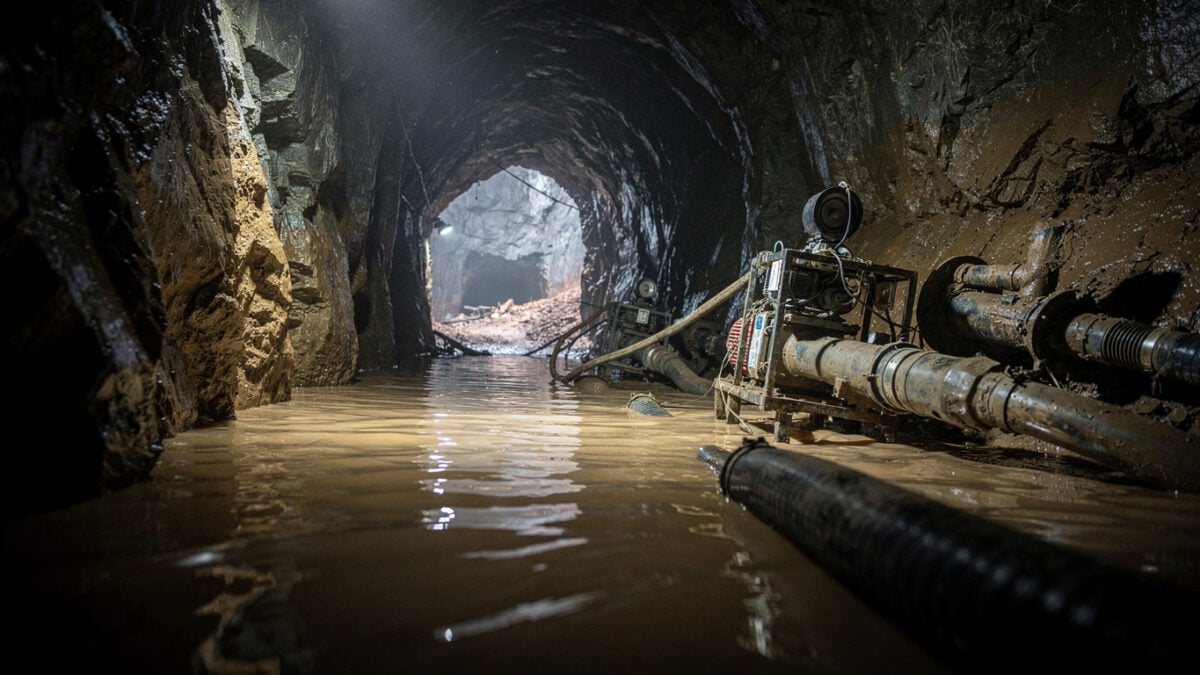
An international rescue team in central Laos is working to drain a flooded illegal gold mine where two miners remain missing, after five of the seven trapped on May 20, 2026 were recovered. The men entered the Long Ten Gold Mine to dig for gold. One was guided out by a diver; four others escaped on their own once pumps lowered the water. The search now centres on a previously unmapped section called chamber six.
Mikko Paasi, the Finnish lead diver, puts the odds that the two are still inside at roughly even. The alternative is that they left before the flood and are hiding from authorities.
Mikko Paasi, the Finnish lead diver coordinating the operation, gives a 50–50 assessment of finding the two miners still missing in a flooded gold mine in central Laos. That figure is not pessimism. It is the honest range when a search splits between two incompatible possibilities.
The men were among seven who entered the Long Ten Gold Mine on May 20, 2026 to dig for gold without a licence. More than eleven days later, five are out. One theory holds that the missing two pushed deeper into the workings than the rest and are trapped beyond the water line. The other holds that they escaped before the flood and have gone to ground to avoid prosecution.
Both readings fit the available evidence equally well. That is precisely why the number sits where it does.
ALSO WORTH READING
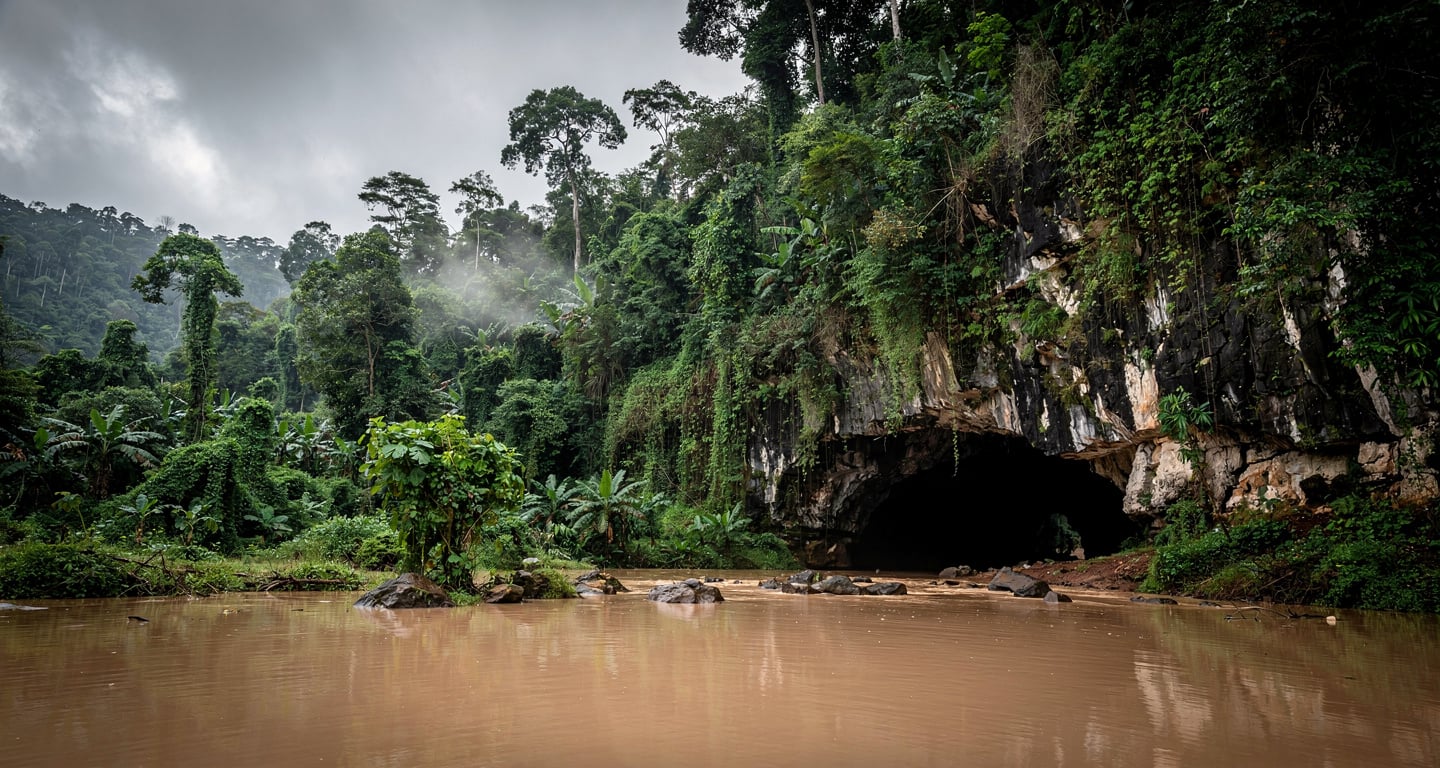

A search split between two incompatible theories
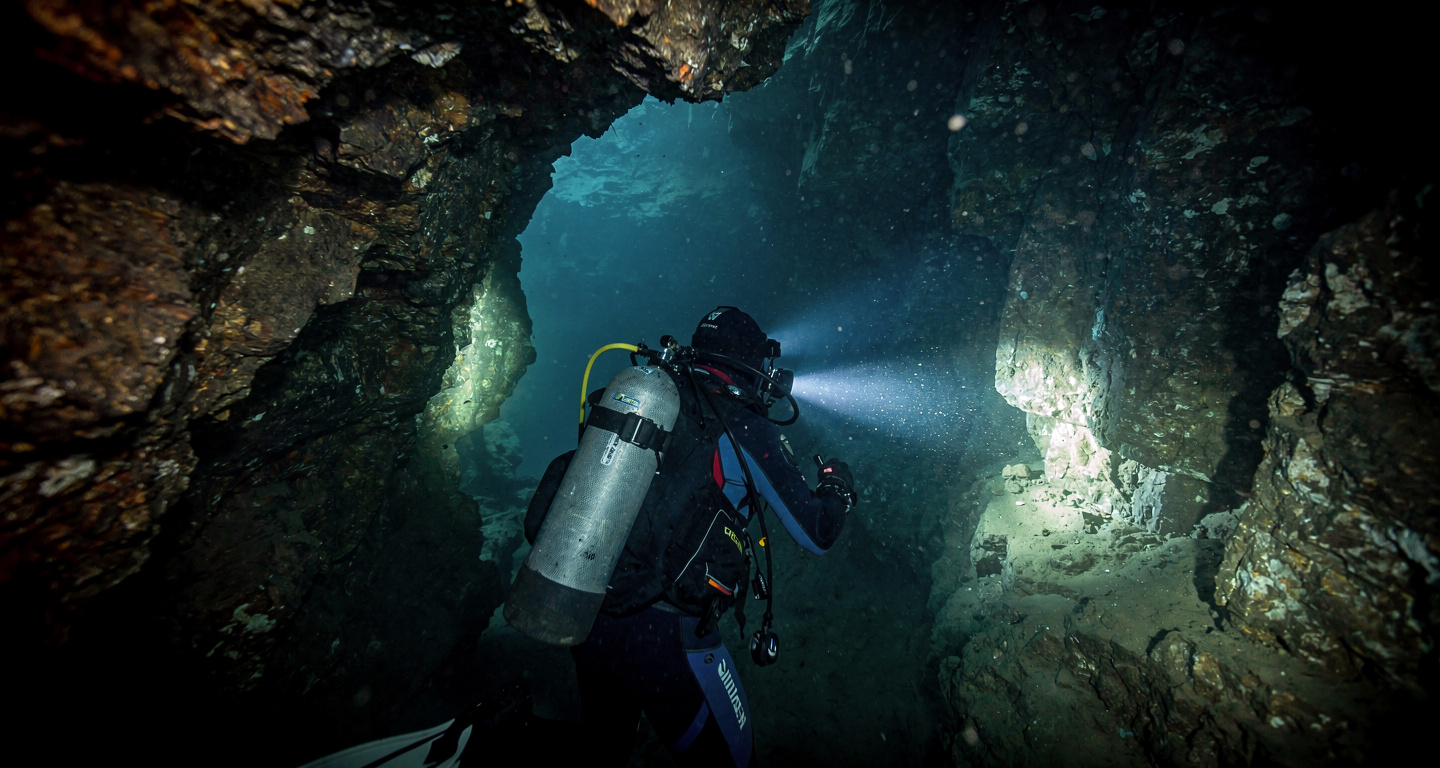
Five recoveries came in two ways. A diver guided one man out through submerged tunnels. The other four made it out themselves once pumps cut the water level enough to clear a path.
The two who remain are the harder case. The team has focused on chamber six, a section of the mine that did not appear on any working map of the site before the search began. If the men went deeper, that is where they would be.
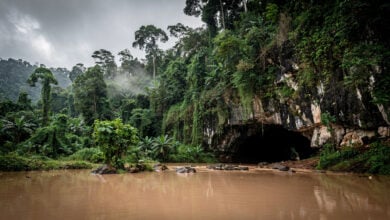
The strategy has now shifted away from diving. Heavy rains have made further underwater work too dangerous, so the plan is to pump the entire mine dry and conduct a physical search on foot. This is a man-made structure, not a natural cave, and its tunnels run roughly 50 by 60 centimetres — narrow enough that a diver cannot turn around in them. The risks are collapse, flash flooding, and pockets of toxic gas, with no engineered supports holding the rock in place.
The operation has drawn comparison to the 2018 Tham Luang cave rescue in Thailand, which Paasi also worked. He has been clear that this site is more dangerous: the tunnels are tighter, built by hand, and structurally unsupported. The most consequential fact here is not the flooding — it is that the mine was never built to be survived in the first place.
The state inherits the cost only after the collapse
Illegal artisanal gold mining runs through the wider Mekong region as part of an informal economy that operates beyond licensing, inspection, or safety oversight. Workers enter unsupported shafts because the income is real and the alternatives are thin.
That structure shapes everything about this rescue. The profits from informal mining disperse through the local economy long before anyone counts them. The cost arrives all at once, and the state absorbs it — a multinational rescue effort — only after the ground has already given way.
It is what makes enforcement politically hard. Closing a site removes a livelihood immediately, while safer work appears slowly, if at all.
The honest limit here is what the evidence cannot yet settle. Whether the two men are trapped deep in chamber six or hiding from authorities is not a question the rescue team can currently answer — and Paasi has not claimed otherwise. The 50–50 figure is an admission of that gap, not a forecast.
Beyond the headline
The human cost
For the families tied to informal mining in Laos, the danger is not abstract: one missed pump cycle, one tunnel collapse, or one hidden chamber can turn a day’s work into a multi-day rescue with an uncertain outcome. The same workers who enter these sites for income are the ones most exposed when the ground gives way or floodwater surges back in.
The bigger picture
This rescue is a symptom of a broader governance problem: when mining happens outside formal oversight, the state inherits the cost only after disaster, while profits are already dispersed through the informal economy. That structure makes enforcement politically difficult, because shutting sites can remove livelihoods faster than safer alternatives appear.
What isn’t being said
The focus on the dramatic rescue can obscure the more durable issue: why illegal shafts keep opening and why enforcement rarely reaches the upstream organisers. Without addressing the labour supply, local tolerance, and cross-border demand that sustain these operations, the same hazards recur at the next site.
Reading a rescue that has not resolved
With the operation now hinging on whether the mine can be pumped dry before the next collapse, here is how to track it without overreading any single update.
- Readers following the rescue
The decisive signal is the next official bulletin from Lao authorities or the international team confirming whether the water has dropped enough for a search on foot. Treat the 50–50 figure as a live estimate, not a verdict — it reflects two open possibilities, not a prediction of failure.
- Anyone weighing the wider story
Watch what happens after the search ends, not just how it ends. Whether Lao authorities move to secure this and other unlicensed sites will tell you more about the durable risk than the rescue itself, which addresses the symptom rather than the cause.
Explainer
- Long Ten Gold Mine
- An illegal artisanal gold mine in central Laos where seven miners were trapped after entering on May 20, 2026. The name is a phonetic rendering and the site operated without a licence, which is why no formal survey of its tunnels — including the unmapped chamber six — existed before the rescue began. Unlicensed operation also means there is no official record of how many similar shafts run nearby or who organised the work.
- Tham Luang cave rescue
- The 2018 operation in northern Thailand that freed twelve boys and their football coach from a flooded natural cave. It drew a large international diving team and became a global news event, with lead diver Mikko Paasi among those involved. The Laos mine differs in a way that matters: its tunnels are man-made, narrower, and lack the natural rock structure that held parts of Tham Luang together.
- Artisanal mining
- Small-scale, labour-intensive resource extraction, often informal or illegal, carried out with minimal equipment and little safety infrastructure. Across the Mekong region it draws workers with steady cash income that licensed employment cannot match. Because it sits outside inspection regimes, accidents like flooding, collapse, and toxic-gas exposure go largely unrecorded until a rescue makes them visible.