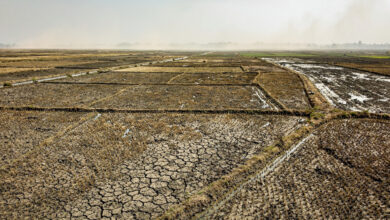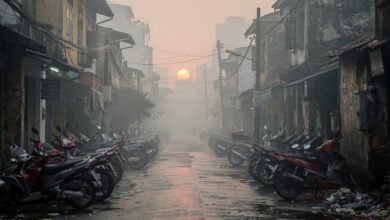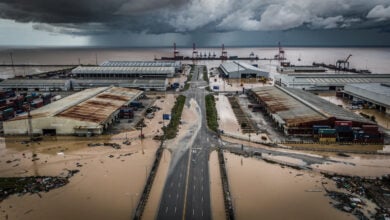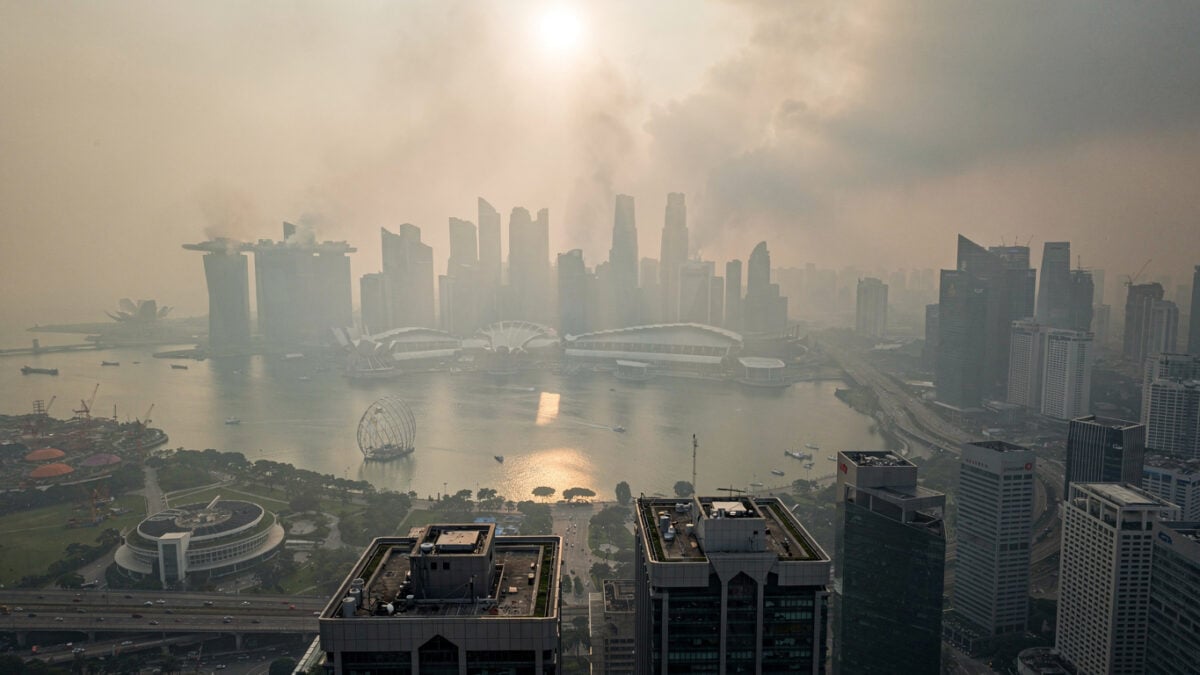
The Meteorological Service Singapore forecasts an 80% probability of an El Niño event developing between June and July 2026, with a positive Indian Ocean Dipole expected to follow from July to August. Together, the two patterns typically bring hotter, drier conditions to Southeast Asia, raising the risk of transboundary haze across Singapore, Malaysia and Indonesia. The dry season could run from June to October 2026.
The forecast conditions mirror those of 1997, Singapore’s driest year on record. What the warning cannot resolve is whether a decade of fire-prevention spending in Indonesia will hold.
Two ocean patterns are now expected to line up over Southeast Asia at once, and the combination has a track record. The Meteorological Service Singapore puts the odds of an El Niño forming by July at 80%, with a positive Indian Ocean Dipole developing weeks later. Both shift rainfall away from the region. Both, together, tend to do it severely.
The reference year is 1997. Singapore’s annual rainfall that year fell about 53% below its 1961–1990 average, and smoke from Indonesian land fires blanketed the city for weeks. The same pairing returned in 2015 and again, in milder form, in 2023.
For Western expatriates and travellers in Singapore, the practical question is not whether the air will turn — it is when, and for how long. The dry window now stretches to October. What sits beneath it is a familiar mechanism that the region has not managed to switch off.
ALSO WORTH READING
Why two ocean patterns at once changes the haze maths
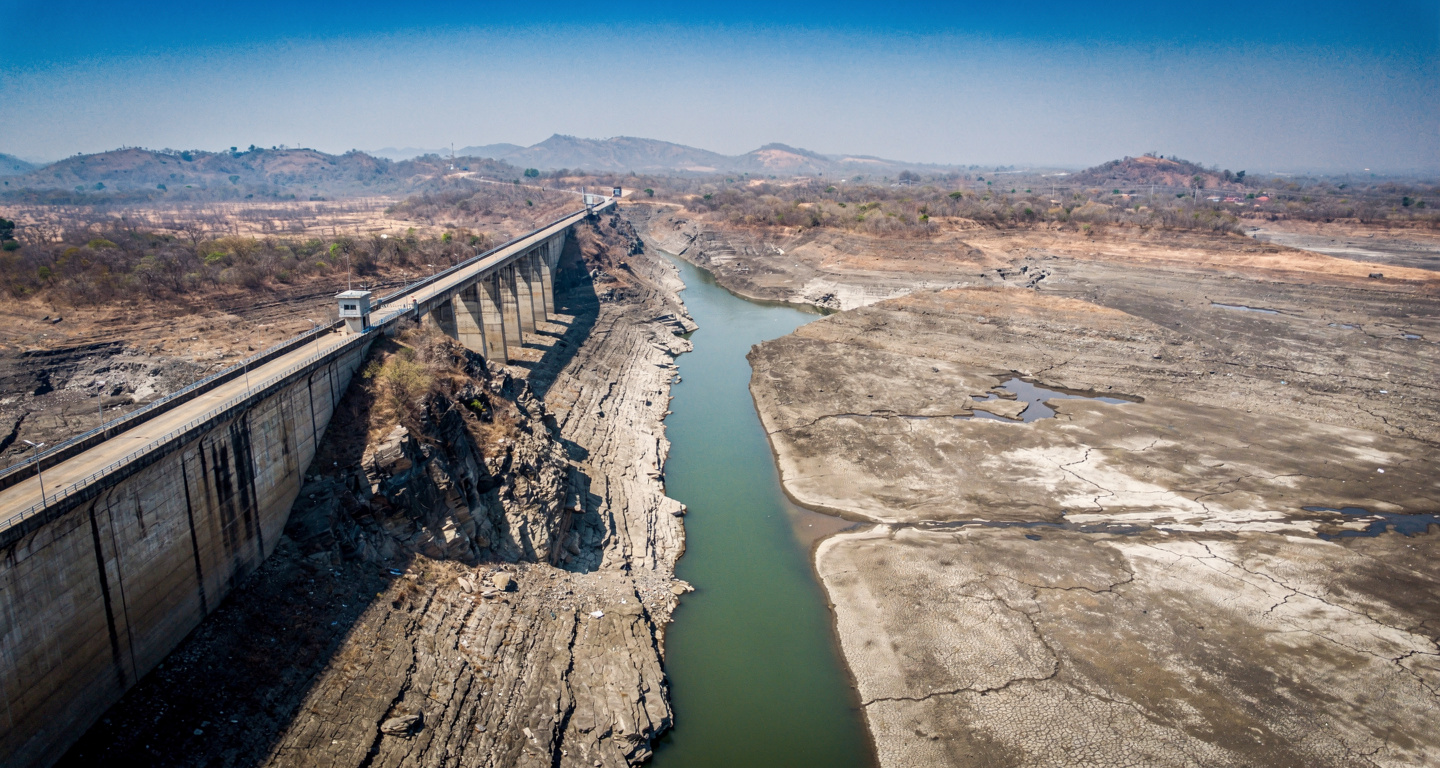
El Niño warms the eastern tropical Pacific and pulls convection away from the Maritime Continent. A positive Indian Ocean Dipole cools the eastern Indian Ocean off Sumatra. Each suppresses rainfall over Indonesia on its own. Arriving in the same season, they compound — which is why the Meteorological Service Singapore flagged the June-to-October period rather than a single month.
The mechanism that turns drought into haze runs through peatland. When the water table in drained peat falls during a prolonged dry spell, the soil itself becomes flammable, and fires set to clear land for agriculture spread underground and persist for weeks. The smoke crosses borders on the prevailing winds. The official forecast and its seasonal updates are published by the Meteorological Service Singapore.
The scale of the fuel is already visible. World Resources Institute data show Indonesia lost roughly 1.45 million hectares of tree cover in 2023 — a 27% rise on the previous year — with peat-rich provinces such as Central Kalimantan prominent in the loss.
Western demand sits at one end of that chain. Palm oil, pulp and paper grown on cleared and drained Indonesian peat feed European and American supply lines for food, cosmetics, packaging and biofuel, and EU and US markets together take around a quarter of global palm oil imports. The fires that produce Singapore’s haze burn land that produces goods sold in London and Los Angeles.
Why the haze keeps returning in El Niño years
The dates tell their own story: 1997, 2015, 2019, 2023, and now a 2026 warning. That sequence points to something more structural than bad luck. Haze in Southeast Asia has become a near-regular feature of strong El Niño or positive IOD years, not an occasional shock.
The policy response has multiplied without closing the gap. ASEAN’s 2023–2030 roadmap under the Agreement on Transboundary Haze Pollution aims for a “haze-free ASEAN by 2030,” built on peatland restoration, zero-burn farming and real-time data sharing — but it carries no binding sanctions for non-compliance. Indonesia’s peat restoration agency targets 1.2 million hectares of degraded peat restored by 2026, a goal its own funding shortfalls and continued concessions in fire-prone areas leave behind schedule.
Professor Steven Yim of Nanyang Technological University, who studies climate and environmental health, has pointed to the public-health stakes of the forecast for the region. The honest limit is this: a forecast establishes the odds of dry conditions, not whether prevention will hold against them. Those are separate questions, and only the fire season settles the second.
Beyond the headline
The pattern
Episodes in 1997, 2015, 2019, 2023 and now the 2026 forecast suggest Southeast Asia’s haze is no longer an occasional shock but a near-regular feature of strong El Niño or positive IOD years. The repetition points to a structural failure to decouple land use and commodity production from climate-sensitive fire risk, rather than a run of isolated crises.
The bigger picture
What reads as a regional weather story is also about how global supply chains, climate variability and governance interact. As oceans warm and climate oscillations amplify extremes, gaps in land, water and energy governance turn predictable dry spells into cross-border air-pollution events — testing one of the world’s most trade-exposed regions.
The response gap
Fire-prevention pledges, peat-restoration targets and haze-free roadmaps have multiplied, yet enforcement capacity, local livelihoods and commodity demand have not been realigned at the same pace. The gap is clearest in Indonesia’s peat provinces, where recurring fires show that existing oversight, incentives and regional cooperation still fall short of preventing another 1997- or 2015-scale event.
How to prepare for a dry season that could run to October
With the dry window now forecast to extend from June to October 2026, three groups in and around Singapore have decisions to make before the air turns.
- Western expats and residents in Singapore
Track the National Environment Agency’s hourly and 24-hour PSI readings, and treat the “unhealthy” band above 100 as your trigger for N95 masks and indoor air filtration. In September 2023 the 24-hour PSI breached 100 for the first time since 2019 — assume that ceiling can return faster than the 2026 timeline suggests.
- Travellers booking Southeast Asia trips
If you have flexibility, weight bookings toward the start of the June–October window rather than its peak fire months of August and September, when haze and flight disruption historically cluster. Hold travel insurance that covers air-quality-related health costs, not just trip cancellation.
- Businesses with regional logistics exposure
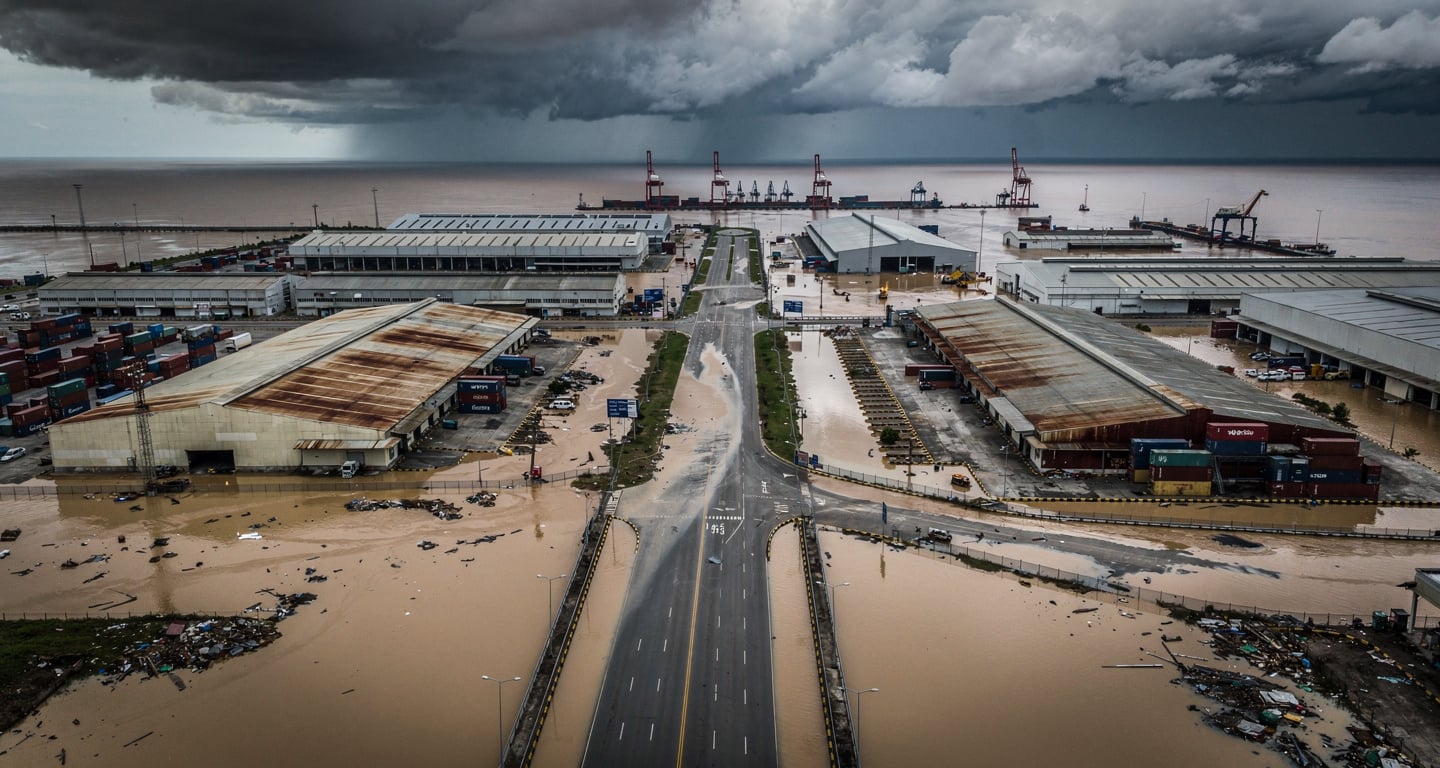
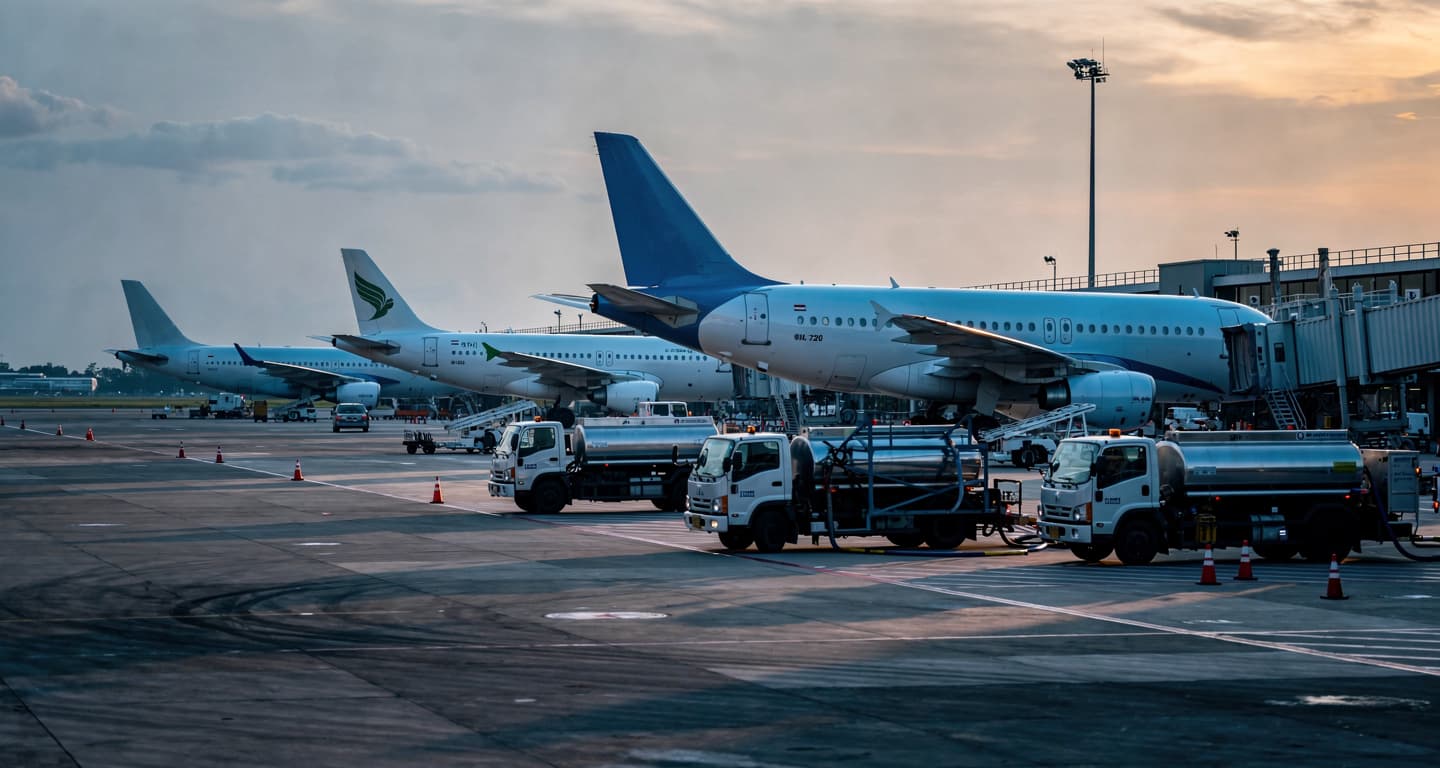
Haze degrades visibility for aviation and port operations across Singapore, Malaysia and Indonesia, the choke points of much regional trade. Review continuity plans now and monitor Indonesia’s BNPB and environment ministry hotspot bulletins through July–September for early signals of deterioration.
Explainer
- El Niño
- A climate pattern marked by unusual warming of surface waters in the eastern tropical Pacific Ocean. It shifts rainfall eastward, away from the Maritime Continent, leaving Southeast Asia hotter and drier than normal. The Meteorological Service Singapore puts the chance of a 2026 event forming by July at 80%, which is why its dry-season warning extends to October.
- Indian Ocean Dipole
- An ocean–atmosphere pattern measured by the temperature difference between the western and eastern tropical Indian Ocean. A positive phase cools the waters off Sumatra and suppresses rainfall over Indonesia. When it coincides with El Niño, as forecast for July–August 2026, the two compound each other and sharpen drought across the region.
- Transboundary haze
- Smoke pollution that crosses national borders, in Southeast Asia driven mainly by land and forest fires in Indonesia. The fires are often set to clear peatland for agriculture and spread underground once the dry soil becomes flammable. ASEAN’s roadmap targets a haze-free region by 2030, but the agreement carries no binding penalties for non-compliance.
- PSI
- The Pollutant Standards Index, Singapore’s official air-quality scale published by the National Environment Agency. Readings above 100 fall into the “unhealthy” band, prompting public health advisories. The 24-hour PSI last breached that threshold in September 2023, when transboundary haze reached the city for the first time since 2019.