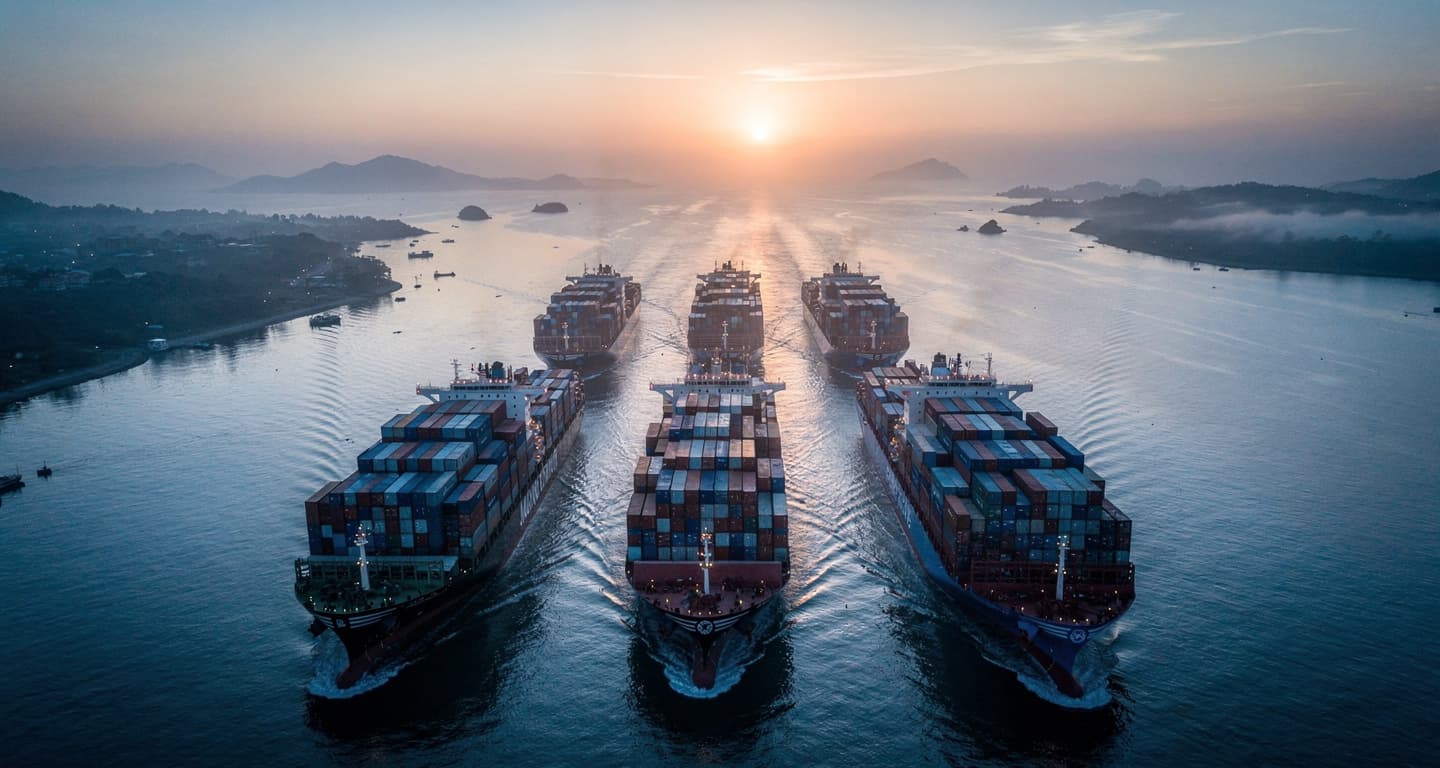
India is preparing to dispatch a new fleet of tankers through the Strait of Hormuz to load crude oil, LPG, and LNG from Middle Eastern suppliers, as the U.S.–Iran conflict continues to disrupt a chokepoint that handles roughly one-fifth of global oil flows. As of March 31, 2026, at least 28 Indian-bound vessels — 18 India-flagged and at least 10 foreign-flagged — remained stranded near the strait, carrying approximately 485 Indian seafarers, according to Rajesh Kumar Sinha, Special Secretary at India’s Ministry of Ports, Shipping and Waterways.
Neither Iran nor the United States has publicly granted blanket clearance for Indian shipping. External Affairs Minister Subrahmanyam Jaishankar confirmed talks with Tehran have produced “some outcomes” — but no formal transit agreement exists, and the corridor remains discretionary, ship by ship.
The real story at the Strait of Hormuz is not the blockade. It is who gets through it. Iran is selectively green-lighting tankers from countries it deems politically acceptable, effectively turning one of the world’s most critical shipping lanes into a diplomatically brokered queue — and India is negotiating its place in it. On March 30, 2026, Jaishankar told the Financial Times that two Indian-flagged gas carriers had crossed the strait that Saturday while 22 Indian-registered vessels waited for permission. The following day, Sinha confirmed eight India-flagged ships had managed to transit in preceding days, including two LPG carriers expected in Indian ports by midweek.
India’s plan to send new ships into the Persian Gulf for loading — pending final government approval — represents a calculated escalation of this quiet diplomacy. The number of vessels, cargo volumes, and supplier names have not been disclosed. What is clear is that New Delhi cannot afford to wait: the southern parts of the country have already seen temporary closures of cafes and restaurants amid LPG shortages, and switching to alternative energy sources would take longer and cost more than securing the Hormuz corridor.
Jaishankar met Iranian Foreign Minister Abbas Araghchi in New Delhi on the sidelines of a BRICS summit to discuss the transit plan. The Indian Navy has been escorting commercial vessels from the strait and increasing surveillance across the Arabian Sea, and intends to provide the same protection to any new tankers heading into the Persian Gulf to load cargo.
RELATED
The details: a corridor built on case-by-case diplomacy
The mechanics of India’s Hormuz access are improvised and fragile. Iran and Oman control the territorial seas covering the strait, and while the United Nations Convention on the Law of the Sea (UNCLOS) guarantees transit passage rights through straits used for international navigation, Tehran has long argued it can restrict ships from states it considers hostile — giving it political cover to slow or deny traffic without formally violating international law. In practice, India must balance its UNCLOS-based legal rights with quiet, case-by-case clearances from Iranian maritime and security authorities.
Sinha confirmed that Iran allowed some Indian LPG carriers to hug its coastline — an unusual navigational route that keeps vessels in Iranian-controlled waters and out of the contested central channel where U.S. naval assets operate. This is not a formal corridor. It is a workaround that requires Tehran’s daily tolerance.
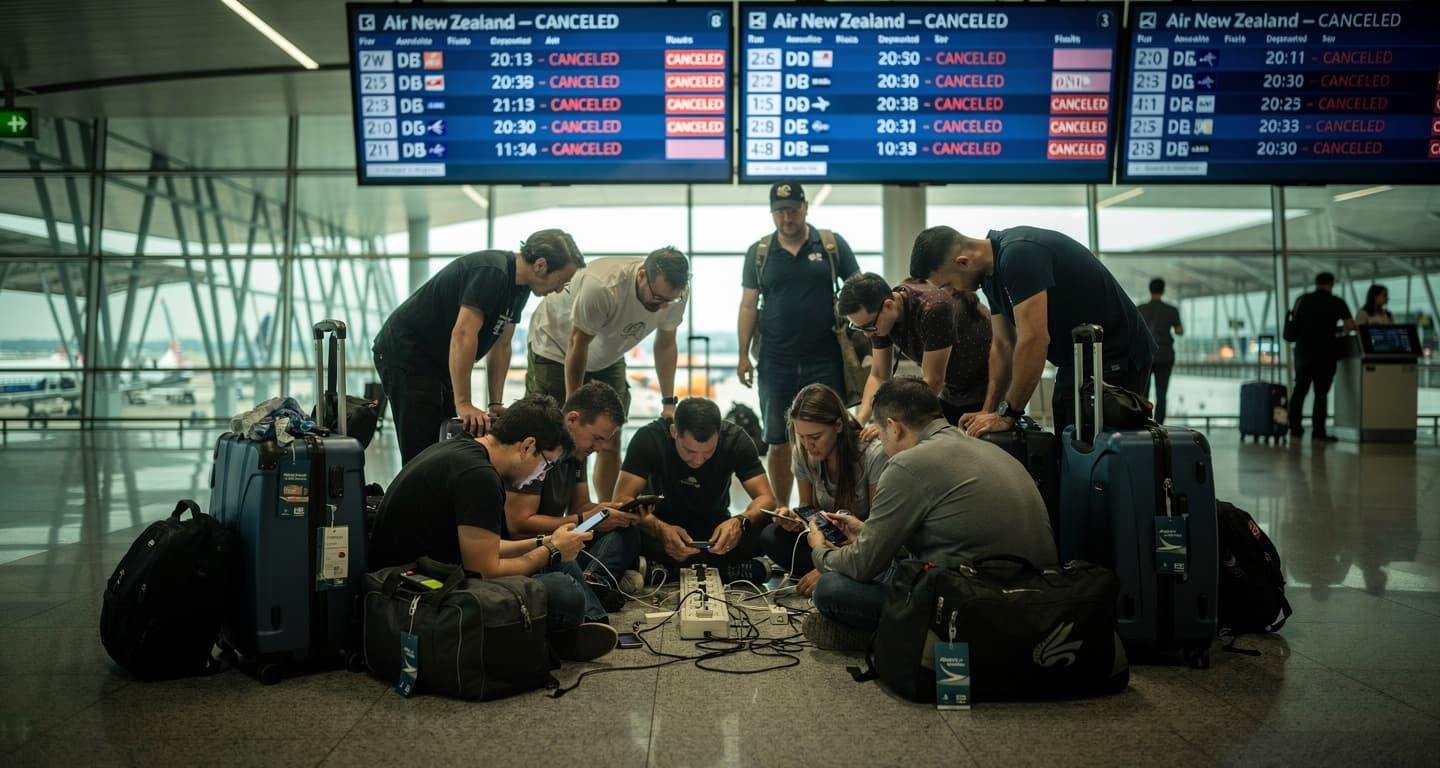
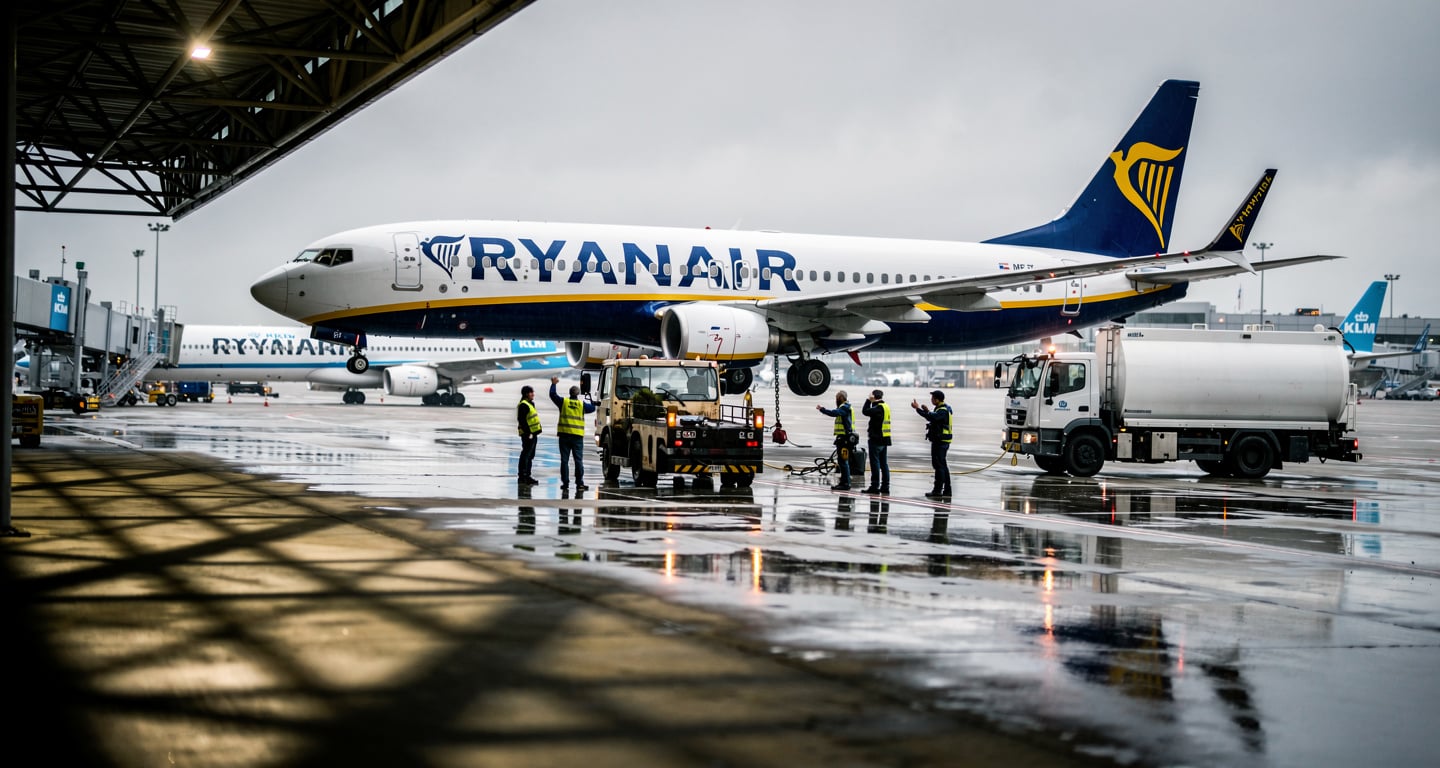
India has also launched a marine insurance programme providing uninterrupted coverage for Indian ships and cargoes in high-risk waters, including the Strait of Hormuz — a recognition that commercial insurers have effectively priced the route as a war-risk zone. For context, global jet fuel prices have more than doubled since the conflict began, a dynamic already forcing significant fare increases on routes serving Western passengers as airlines absorb surging fuel costs.
| Vessel category | Count | Status | Notable detail |
|---|---|---|---|
| India-flagged vessels stranded | 18 | Waiting for transit clearance | Carrying approx. 485 Indian seafarers |
| Foreign-flagged vessels (India-bound) | At least 10 | Stranded near strait | Part of 28-ship total confirmed by Sinha |
| India-flagged vessels transited (recent days) | 8 | Successfully crossed | Used Iranian coastal route |
| India-flagged vessels exited via various routes | 6 | Departed Persian Gulf | Includes ships using unconventional exits |
| LPG carriers en route to India | 2 | In transit | Expected arrival Tuesday–Wednesday, early April 2026 |
How the Hormuz chokepoint became a diplomatic instrument
The legal architecture governing Hormuz has always been contested. UN Security Council Resolution 552, adopted during the Iran–Iraq War in 1984, condemned attacks on commercial shipping in the Gulf and affirmed freedom of navigation — a precedent the United States and others cite when justifying naval protection operations in and around the strait. But legal precedent and on-water reality are different things. The U.S. relies on customary international law and its naval presence to uphold navigation rights; Iran relies on geography and selective enforcement to extract political concessions.
What has changed in 2026 is the scale and visibility of Iran’s selectivity. Previous episodes of Gulf tension — the 2019 tanker attacks, the Houthi campaign in the Red Sea — disrupted shipping without creating a formal hierarchy of access. The current conflict has produced something closer to a toll system based on diplomatic alignment. India, which has maintained ties with Tehran while deepening its relationship with Washington, finds itself in the unusual position of being acceptable to both sides — at least for now.
India’s dependence on Middle Eastern energy remains structural. Although New Delhi has expanded Russian crude purchases since 2022, those imports carry sanctions exposure. Washington recently issued a waiver permitting the sale of Russian crude and petroleum products already at sea, but the underlying risk has not disappeared. The Middle East remains the path of least resistance — if the strait can be kept open.
Beyond the headline
The bigger picture
India’s Hormuz manoeuvring shows how energy-hungry mid-powers are no longer simply price-takers in a crisis; they are using diplomatic leverage and market weight to negotiate bespoke corridors through contested spaces. The global oil system is fracturing into overlapping, politically brokered supply chains rather than a single integrated market — and the Strait of Hormuz is where that fracture is most visible right now.
The reach
For traders and refiners in Europe and North America, India’s success or failure at Hormuz will tilt the balance between Asian and Western buyers competing for a shrinking pool of uncomplicated barrels. Prolonged holdups on Indian tankers would push New Delhi to bid more aggressively for Atlantic Basin and Russian crude, crowding out Western buyers, widening Brent spreads, compressing refining margins, and feeding through to diesel and pump prices at a moment when central banks in the EU and United States are still managing inflation expectations.
Our take
India is playing a rational but precedent-setting game: securing its own lifeline first, even at the cost of quietly undermining U.S. efforts to isolate Tehran. Washington and European capitals will accept this — they have little choice if they want global supply to keep flowing. But the lesson is already being absorbed in Beijing, Seoul, and Tokyo: in a chokepoint crisis, large importers cut their own deals. That makes energy geopolitics considerably messier, and considerably less controllable from Washington or Brussels than it was a decade ago.
What this means for Western governments, companies, and travellers
With Indian tanker sailings pending final government approval and no blanket transit agreement in place, the Hormuz situation remains acutely fluid — and its consequences are already moving through global energy markets.
- Monitor Brent crude and LPG futures closely: Physical premia on Middle East–to–Asia crude and LPG cargoes are elevated and could rise further if new Indian sailings are delayed or blocked. European and North American refiners tracking Brent should watch for widening spreads as a leading indicator of sustained disruption.
- Track India’s Ministry of Petroleum and Natural Gas for cabinet-level clearance statements: An official announcement that explicitly mentions Iranian coordination would confirm Tehran has offered India a semi-formal safe-passage channel — a significant escalation in the political economy of the strait. Absence of such a statement while more ships sit idle signals continued impasse.
- Western companies with Persian Gulf supply chains should review force majeure clauses: The combination of U.S. naval operations and Iranian selective enforcement creates a legal grey zone for commercial contracts. Legal teams should assess whether current disruptions meet contractual definitions of force majeure under applicable law.
- Sanctions compliance officers should note the Russian crude waiver: Washington’s recent waiver permitting the sale of Russian crude and petroleum products already at sea has a limited scope. Companies purchasing such cargoes should verify eligibility carefully — the underlying sanctions architecture remains in place.
- Follow the UNCLOS transit-passage debate at the UN: If India or another importer formally invokes its UNCLOS rights against Iranian interference, it would shift the crisis from a bilateral diplomatic matter to a multilateral legal one — with implications for how future chokepoint disputes are adjudicated internationally.