
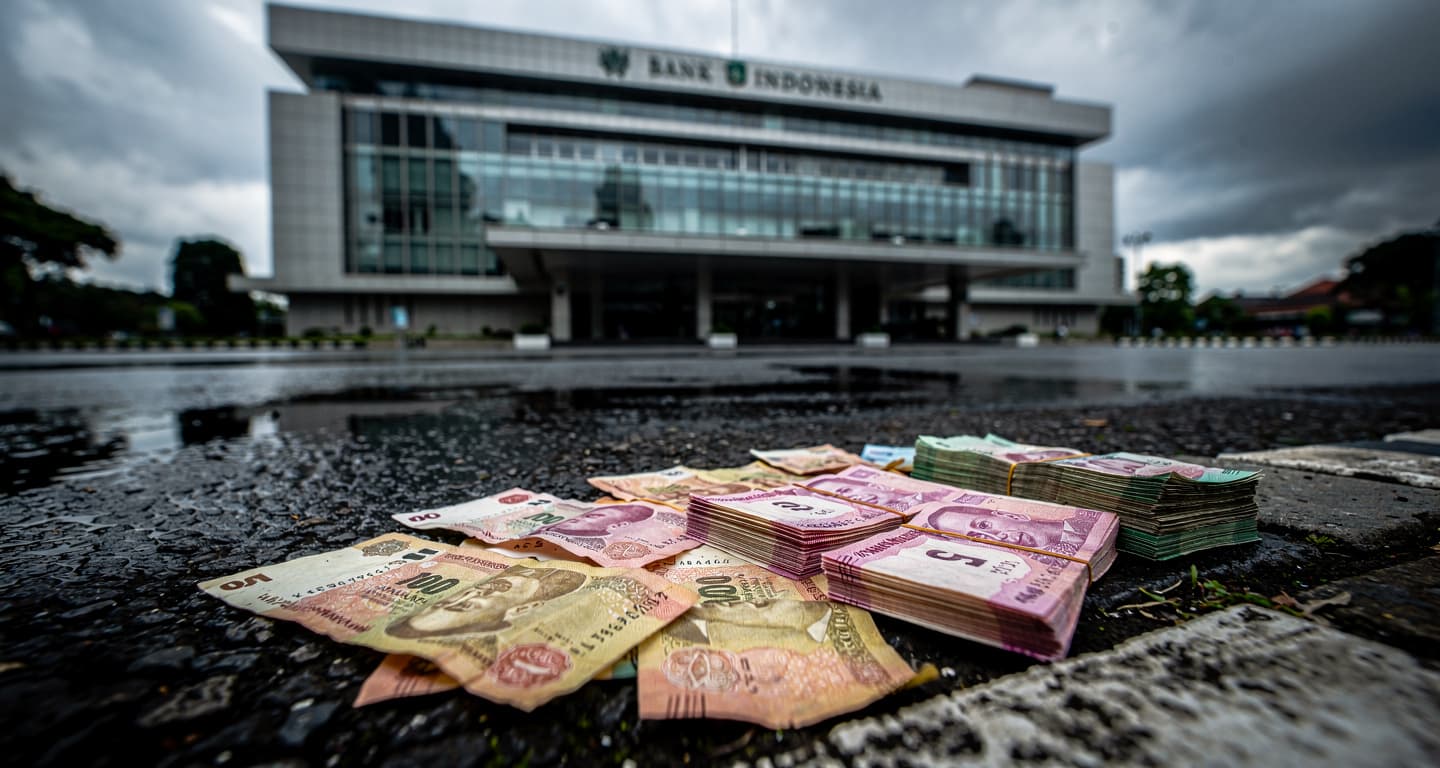
The Indonesian Rupiah closed near IDR 16,350 per US dollar on 3 June 2026, its weakest level since the 1997–98 Asian Financial Crisis. President Prabowo Subianto has publicly dismissed the impact, arguing rural Indonesians are insulated because they do not use dollars. Economists, including Bhima Yudistira of CELIOS, counter that Rupiah weakness raises the cost of fuel and fertilizer that hit those same rural communities first.
Bank Indonesia holds about USD 145 billion in reserves and inflation sits near 3.0%. The fundamentals are stronger than 1998 — but the messaging is the new risk.
The president of the world’s fourth-most populous country looked at a currency near a 28-year low and told the public it did not matter. Villagers, Prabowo Subianto argued, do not use dollars, so the weak Rupiah is a city problem. It is a politically tidy line. It is also wrong in a way that costs money.
The figure he skipped is the one that travels into rural Indonesia fastest. A weaker Rupiah raises the priced-in cost of imported fuel and fertilizer — the two inputs that decide what a rice farmer or a fisher pays to work. The currency does not need to reach the village for its weakness to arrive there.
That gap, between what the president says and what the import bill does, is now the real story. Economists warn the dismissal sends a worse signal to investors than the exchange rate itself. A market problem is being handed the tools to become a political one.
The number the president left out
Start with the rate everyone is watching. The Rupiah traded near IDR 16,350 per US dollar on 3 June 2026, according to Bank Indonesia exchange-rate data. That is below the worst of the 1998 crisis in nominal terms. The benchmark is psychological as much as financial.
The brief that prompted much of the panic also carried a wrong number. The AUD/IDR rate is not 13,000. It traded around IDR 10,700 per Australian dollar in early June 2026 — meaningfully stronger than the figure circulating in some coverage. For an Indonesian student in Sydney, the difference between those two rates is rent.
Bhima Yudistira, director of the Center of Economic and Law Studies (CELIOS), put the criticism plainly. He argued Prabowo’s remark underestimates how Rupiah weakness raises the prices of fuel and fertilizer that reach rural households directly. The president’s defence is the part that does not survive contact with the import data.
Here is what undercuts the crisis framing. Inflation eased to about 3.0% year-on-year in May 2026, inside Bank Indonesia’s 2–4% target band, even as the currency fell. The Rupiah is weak. The household price shock the headlines imply has not yet fully landed. The question is whether messaging keeps it that way — or invites the outflows that would.
The buffers are real; the narrative is not
Indonesia is not 1998. Foreign exchange reserves of roughly USD 145 billion in April 2026 cover six to seven months of imports and external debt — well above the IMF’s three-month adequacy mark, per Bank Indonesia balance-of-payments data. The toolkit exists. Governor Perry Warjiyo has confirmed Bank Indonesia will keep running triple intervention across the spot, forward, and bond markets to steady the currency.
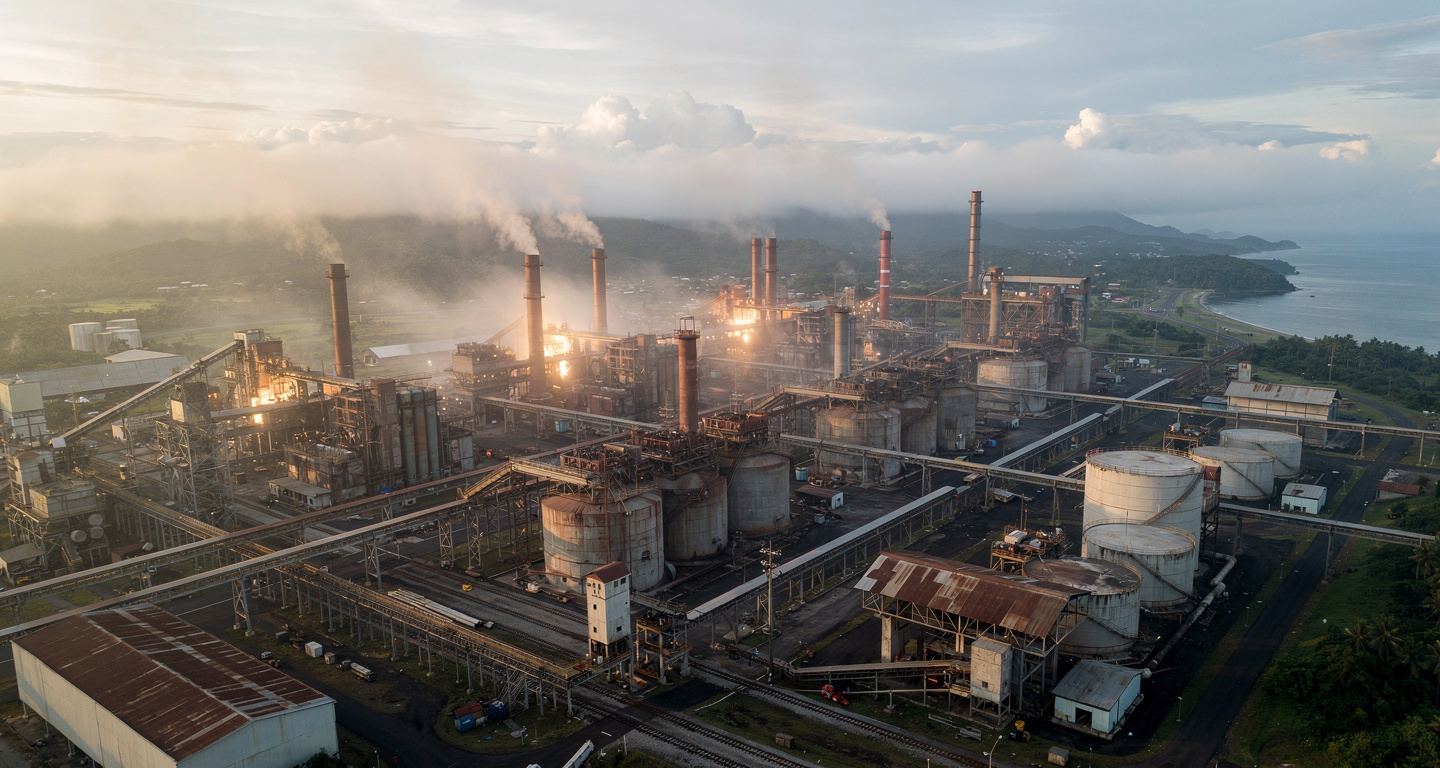
The weakness is not purely homegrown. A strengthening US dollar pulls capital out of emerging markets, and global tensions have lifted fuel and energy costs — the same dynamic squeezing Indonesia’s own nickel build-out, where Chinese-financed smelters anchor a fragile growth story.
Santitarn Sathirathai, head of Emerging Asia Economics at Credit Suisse, frames the danger precisely: the macro base is stronger than 1997–98, but ambiguous political messaging can still hurt investor sentiment and delay capital inflows. Fitch Ratings keeps Indonesia at BBB with a stable outlook, while flagging that sustained Rupiah pressure and policy slippage could weigh on its external financing. The reserves can defend the currency. They cannot defend a contradiction. When the president tells voters the problem is imaginary and the finance team tells bond desks it is being managed, the market prices the gap — and that, not the exchange rate, is what turns a currency story into a confidence one.
Beyond the headline
The power behind it
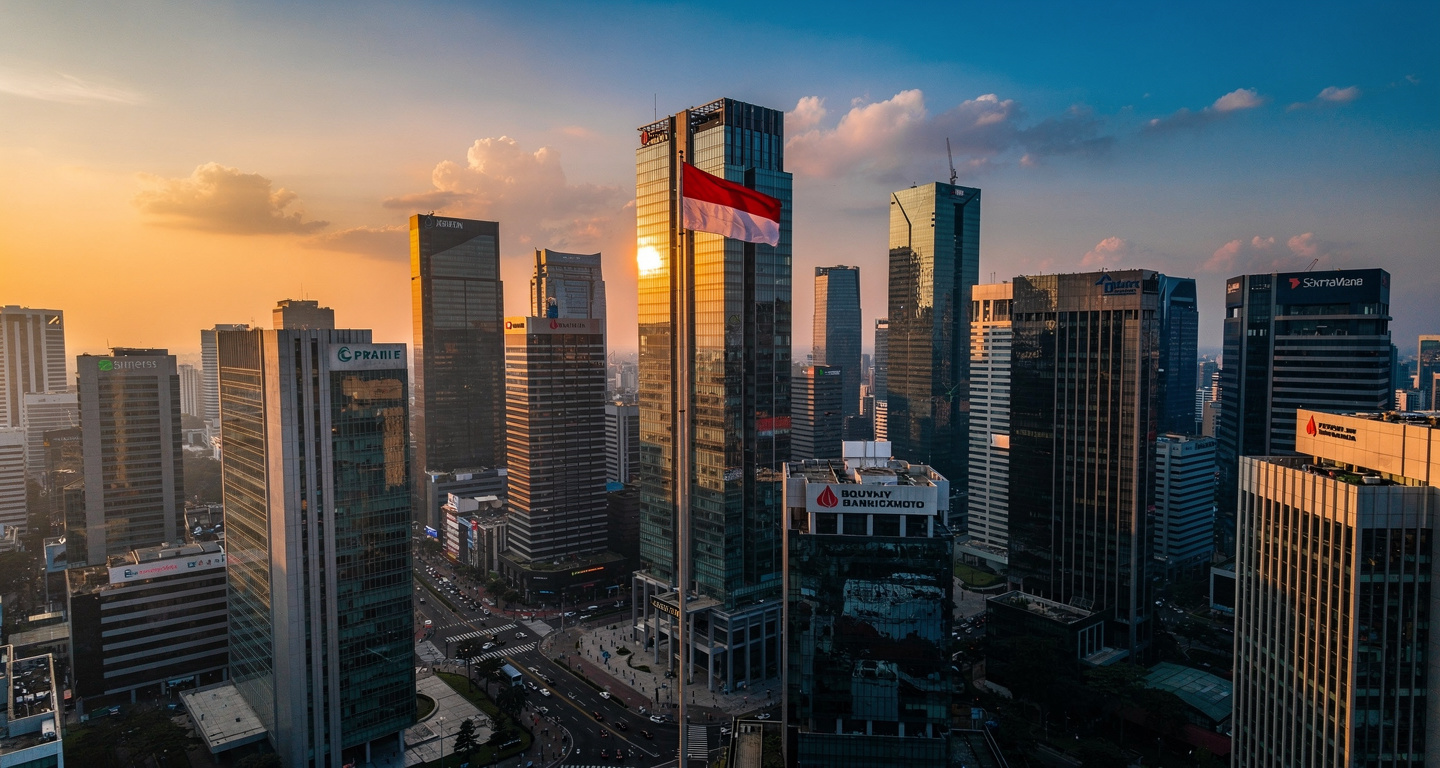
The immediate story looks like a currency wobble, but the real leverage sits with Indonesia’s policy trio: Bank Indonesia, the finance ministry, and the presidency. The first two are trying to project technocratic discipline; the president’s populist messaging courts domestic audiences. How that triangle balances market reassurance against political theatre decides whether this stays a market episode or hardens into a wider confidence problem.
The response gap
Indonesia’s buffers and formal policies read like a textbook emerging-market playbook, yet households and overseas students are still being squeezed. The gap is not missing tools — it is how they are used and explained. Without a narrative that acknowledges household pain and sets measurable goals, even competent interventions get discounted by voters and bond desks alike.
The reach
One under-examined ripple runs through Australian universities hosting large cohorts of Indonesian students. When the Rupiah slumps, their living budgets shrink first, and tuition payment risk follows close behind. That feeds into cash-flow planning for institutions already managing China-related enrollment swings, making Indonesia’s exchange-rate politics an unexpected line in Australian higher-education balance sheets.
What a contradictory message costs you
With Bank Indonesia’s next rate decision due in late June 2026, anyone with money or family tied to the country faces near-term calls.
- Emerging-market investors
Track Bank Indonesia’s press releases and policy statements at bi.go.id/en for the late-June rate call. A surprise hike or expanded FX guidance signals stability is being prioritised over growth; a hold with softer language points to further currency pressure and possible outflows. Price hedging costs into any local-currency bond exposure over the next three to six months.
- Indonesian diaspora and students abroad
At roughly IDR 10,700 per Australian dollar, transfers home stretch further than at the start of the year, but tuition and rent paid in foreign currency cut the other way. Use remittance platforms offering locked-in rates for 24–48 hours, and consider splitting large transfers to manage daily limits and bank FX scrutiny.
- Western businesses operating in Indonesia
Review whether contracts are invoiced in Rupiah or USD before the August 2026 draft budget lands. Counterparties may push for FX caps on pass-through costs; firms with mixed-currency cost bases should confirm natural hedges and forward cover via local banks. Check UNCTAD’s country tables at unctad.org/statistics to gauge whether FDI is stabilising before committing fresh capital.
FAQ
How does Bank Indonesia’s “triple intervention” actually work?
Bank Indonesia acts simultaneously in three markets. It sells dollars from reserves in the spot market, provides hedging through domestic non-deliverable forwards (DNDF) to banks and corporates, and buys or sells government bonds (SBN) to smooth yields and cash availability. The aim is to curb Rupiah swings without fixing a hard exchange-rate level.
What are the options for Indonesians paying overseas tuition during Rupiah swings?
Families typically use bank wire transfers in major currencies or online remittance platforms offering locked-in rates for 24 to 48 hours. Some banks offer foreign-currency instalment plans, but require invoices and student visas. When the Rupiah weakens sharply, many households advance payments or split transfers to manage rate risk and daily transfer limits.
How does this affect Western firms invoicing in Rupiah versus USD?
Firms often invoice local clients in Rupiah for onshore services but keep larger commodity or capital-goods contracts in USD or EUR. During Rupiah weakness, renegotiations focus on FX clauses, with Indonesian counterparties seeking caps on cost pass-through. Businesses with mixed-currency costs usually combine natural hedges with forwards or options arranged through local banks.
Explainer
- Triple intervention
- Bank Indonesia’s policy of acting in three markets at once to steady the Rupiah. It combines spot dollar sales, domestic non-deliverable forwards, and government bond operations rather than defending a single exchange rate. Governor Perry Warjiyo confirmed in 2026 that the approach prioritises smoothing volatility over fixing a level, a tactic refined after the 2013 taper-tantrum sell-off.
- Center of Economic and Law Studies (CELIOS)
- An independent Jakarta-based economic think tank that publishes analysis on Indonesian fiscal and monetary policy. Its director, Bhima Yudistira, is a frequent public critic of government messaging on the economy. CELIOS research has repeatedly stressed how currency weakness reaches rural households through imported fuel and fertilizer, the channel President Prabowo’s remark overlooked.
- Prabowo Subianto
- Indonesia’s president since 2024, a former defence minister and
RELATED STORIES

![Top 10 Volcanoes to Climb in Indonesia [Prices & Trekking Experience] - Uncategorized () - June 2026 - Indoneo](data:image/png;base64,iVBORw0KGgoAAAANSUhEUgAABLAAAAMgAQMAAAAJLglBAAAAA1BMVEUAAACnej3aAAAAAXRSTlMAQObYZgAAAIxJREFUGBntwTEBAAAAwiD7p14Hb2AAAAAAAAAAAAAAAAAAAAAAAAAAAAAAAAAAAAAAAAAAAAAAAAAAAAAAAAAAAAAAAAAAAAAAAAAAAAAAAAAAAAAAAAAAAAAAAAAAAAAAAAAAAAAAAAAAAAAAAAAAAAAAAAAAAAAAAAAAAAAAAAAAAAAAAAAAAACnANfvAAGNwCEMAAAAAElFTkSuQmCC)


![Top 10 Volcanoes to Climb in Indonesia [Prices & Trekking Experience] - Uncategorized () - June 2026 - Indoneo](https://www.indoneo.com/wp-content/uploads/2024/06/merapi-volcano.jpg)