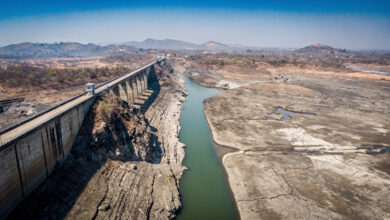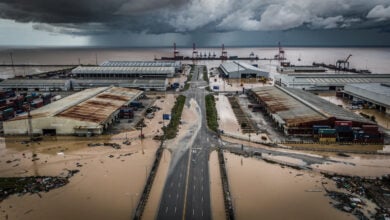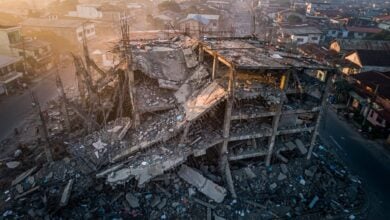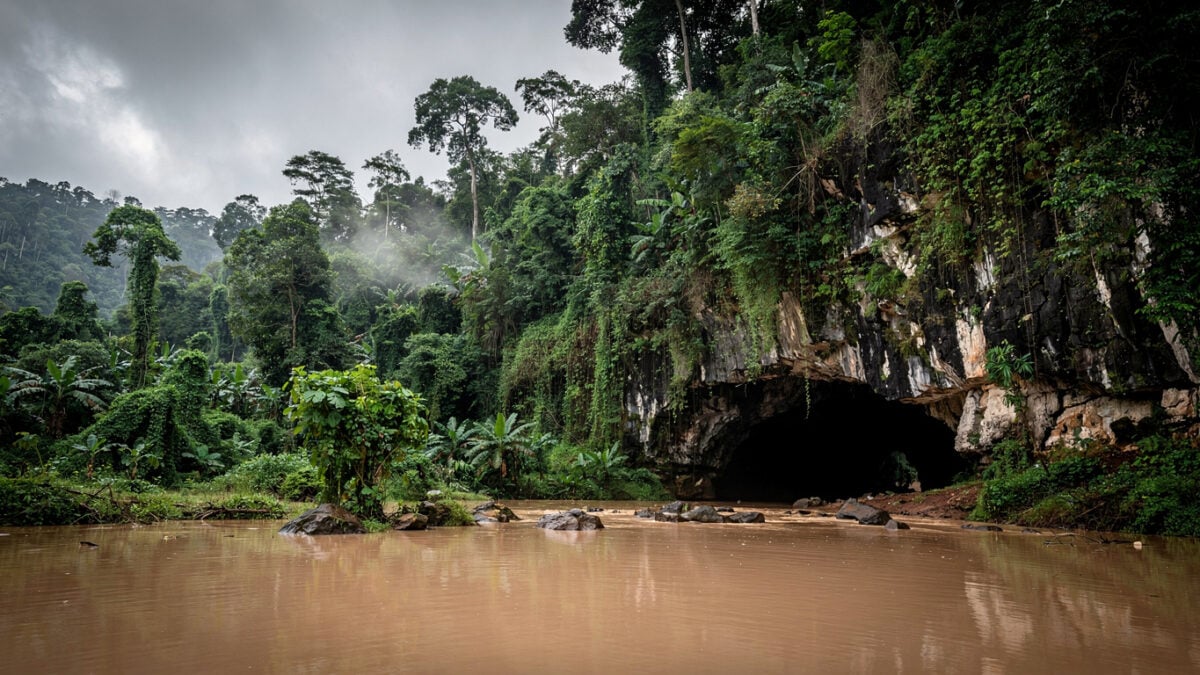
Five villagers trapped for eight days inside a flooded cave in Laos were found alive on May 27, 2026, after rescue divers called in from Thailand located them on an elevated ledge approximately 300 metres from the cave exit. The group survived by sheltering on raised ground with continuous airflow while floodwater blocked every passage out. Two members of the original party of eight remain missing.
Rescuers are now planning extraction while the search for the two missing individuals continues under diminishing odds. The incident exposes a structural vulnerability: floods account for 58% of all recorded disasters in Lao PDR, yet remote cave systems have no dedicated rescue infrastructure.
Eight villagers entered a cave in Laos sometime in mid-May. One escaped and raised the alarm. Five were found alive on May 27, huddled on an elevated ledge deep inside a flooded karst system, surviving on the narrow margin between air and rising water. Two are still missing, and the window for finding them alive is closing by the hour.
The rescue, which required specialist cave divers flown in from Thailand, is being celebrated — and it should be. But the jubilation outside the cave entrance obscures a harder story: that intensifying monsoon rainfall in Laos is turning previously routine activities into life-threatening emergencies, and the country’s disaster-response systems are not keeping pace.
The five survivors owe their lives to geography as much as to rescue effort. They found an air pocket on a raised ledge roughly 300 metres from the cave exit, in passages as narrow as 50 centimetres wide, with floodwater still filling the lower sections. Rescuers also had to navigate contaminated air and ongoing collapse risk before reaching them. The extraction plan, as of May 28, remains contingent on water levels and air quality stabilising further.
RELATED


How five people survived eight days underground
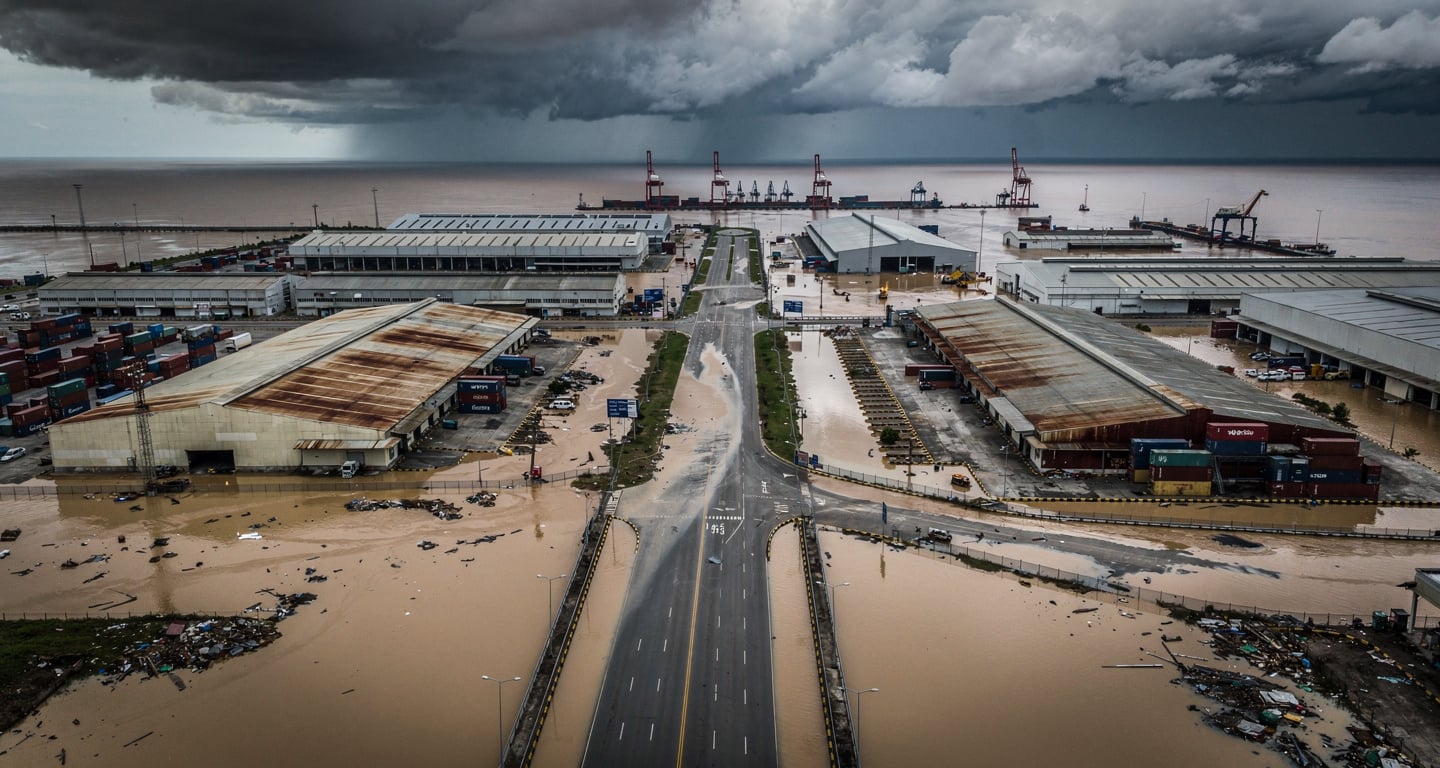
The group became trapped after heavy rain and flash flooding blocked the cave exit — a scenario that Laos’s own risk data treats as routine. The UN Office for Disaster Risk Reduction (UNDRR) records floods as accounting for 58% of all disasters in Lao PDR between 2005 and 2019, the highest share of any hazard category in the country.
Survival came down to one fortunate accident of terrain. The five located villagers found an elevated ledge with a continuous airflow, which kept oxygen levels breathable across eight days underground. The two who remain missing were separated from this group at some point during the flooding — they did not reach the same ledge, and rescuers have not yet located them.
The Thai cave divers brought into the operation are the same specialist community that has developed regional expertise since the 2018 Tham Luang rescue in northern Thailand. Under the ASEAN Agreement on Disaster Management and Emergency Response (AADMER), Laos can formally request this kind of regional assistance through the ASEAN Coordinating Centre for Humanitarian Assistance (AHA Centre), a mechanism that proved essential here given the absence of comparable local cave-diving capacity.
Lao PDR’s 2021 updated Nationally Determined Contribution submitted to the UNFCCC specifically identifies floods and landslides as key climate impacts and calls for expanded early-warning systems in mountainous areas — language that reads differently when you consider that none of those systems were in place to warn this group before they entered the cave.
The rainfall data that frames this rescue tells a precise story about scale and frequency.
A system built for yesterday’s rainfall
Central and northern Laos receive around 250–350 mm of rain per month at monsoon peak — roughly three to four times what London sees in November, one of its wetter months. A single intense rainfall event of two or three days can fill confined cave passages faster than any group inside can react. The monsoon season runs from May to October, meaning this incident occurred at the earliest edge of the high-risk window.
The World Meteorological Organization (WMO) warned in its latest decadal climate update that global temperatures are likely to remain at or near record levels from 2025 to 2029, directly increasing the probability of heavy precipitation extremes across mainland Southeast Asia. The UN University Institute for Environment and Human Security flags Laos specifically as a hotspot where intensifying extreme rainfall will drive more flash-flood and landslide disasters through the late 2020s. Neither projection is abstract: this rescue is what those projections look like on the ground.
Laos’s 2030 National Strategy for Disaster Risk Reduction mandates community-based early-warning and evacuation systems in all high-risk districts, backed partly by Green Climate Fund financing. International assessments, including the Climate Change Performance Index, nonetheless rate Laos as needing significantly stronger implementation capacity — particularly in remote, mountainous provinces where monitoring and rescue assets remain sparse. The gap between the strategy document and the reality of borrowed equipment and improvised phone calls is where this rescue actually took place.
Beyond the headline
The Bigger Picture
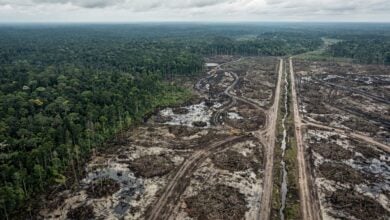
This cave drama sits within a broader shift where climate-charged monsoon extremes are colliding with fragile infrastructure in one of Asia’s least resourced countries. As tourism and local livelihoods push more people into risky karst landscapes, the combination of heavier downpours and limited early-warning capacity is turning previously routine activities into high-consequence emergencies.
The Human Cost
Behind the jubilant rescue images are small rural communities suddenly losing breadwinners, forest foragers, or guides for over a week, with no guarantee that all will return. Families in remote districts often lack savings or insurance, so even a non-fatal disaster can mean missed planting seasons, school dropouts, and long-term debt to cover medical care and lost income.
The Response Gap
Laos has written ambitious disaster strategies, but high-risk rural areas still rely on ad-hoc phone calls, village radios, and borrowed equipment when caves flood or rivers surge. Until those paper plans translate into trained local teams, mapped underground hazards, and dedicated rescue gear, each new extreme-rain event will force improvised operations whose success hinges more on luck and volunteer bravery than on system readiness.
What the Laos cave rescue means for travellers, investors, and aid watchers
With two people still missing and an extraction operation not yet complete, this story has immediate implications for anyone with professional or personal exposure to rural Laos during the May–October monsoon season.
-
Travellers planning Laos cave or trekking itineraries
Karst cave systems — including the popular Konglor Cave in Khammouane Province and sites in Vang Vieng — are at elevated flash-flood risk from now through October. Standard travel insurance frequently excludes adventure activities, and healthcare facilities in Laos cannot manage serious trauma or hypoxia cases. Before any cave or remote trekking activity, verify that your policy specifically covers medical evacuation with a minimum limit of USD 100,000; medical evacuation insurance is effectively mandatory for Laos travel given that air transport to Bangkok or Udon Thani is the only viable option for serious emergencies.
-
Development finance and humanitarian aid professionals
This rescue illustrates precisely the implementation gap that the Climate Change Performance Index flags in Laos: national strategies exist, but remote provinces lack trained teams, mapped hazards, and dedicated equipment. The AHA Centre and Green Climate Fund are the primary multilateral channels for capacity-building finance in this space; watch the Lao National Disaster Management Office’s next situation report for signals on whether this incident prompts accelerated disbursement requests.
-
Adventure tourism operators and insurers
The involvement of Thai specialist cave divers highlights that Laos has no comparable domestic rescue capacity for complex underground operations. Operators running cave tours or multi-day karst treks during the monsoon season face unquantified liability exposure; the absence of early-warning infrastructure means that conditions can deteriorate from safe to life-threatening within hours, with no official alert system to trigger evacuation protocols.