The Just Energy Transition Community (JETC), a philanthropic coalition convened by Singapore-based Philanthropy Asia Alliance, has pledged US$2.6 million to deploy clean energy systems in farming and fishing communities across the Philippines and Indonesia. The initiative is explicitly designed as catalytic capital — money structured to prove that community-owned renewable models can work in places large-scale climate finance never reaches, with the goal of unlocking far larger flows from multilateral banks and private investors.
The pledge represents roughly 0.0012 percent of the US$210 billion Southeast Asia needs annually through 2030 to align with net-zero goals. What makes it consequential is not the size but the model it is testing.
The numbers do not flatter the ambition. Southeast Asia needs an estimated US$210 billion per year in clean energy investment through 2030, and a new philanthropic coalition has just pledged US$2.6 million of it. But JETC’s backers are not claiming to close the gap — they are claiming to change the architecture of how capital reaches the communities that large-scale climate finance has consistently failed to serve.
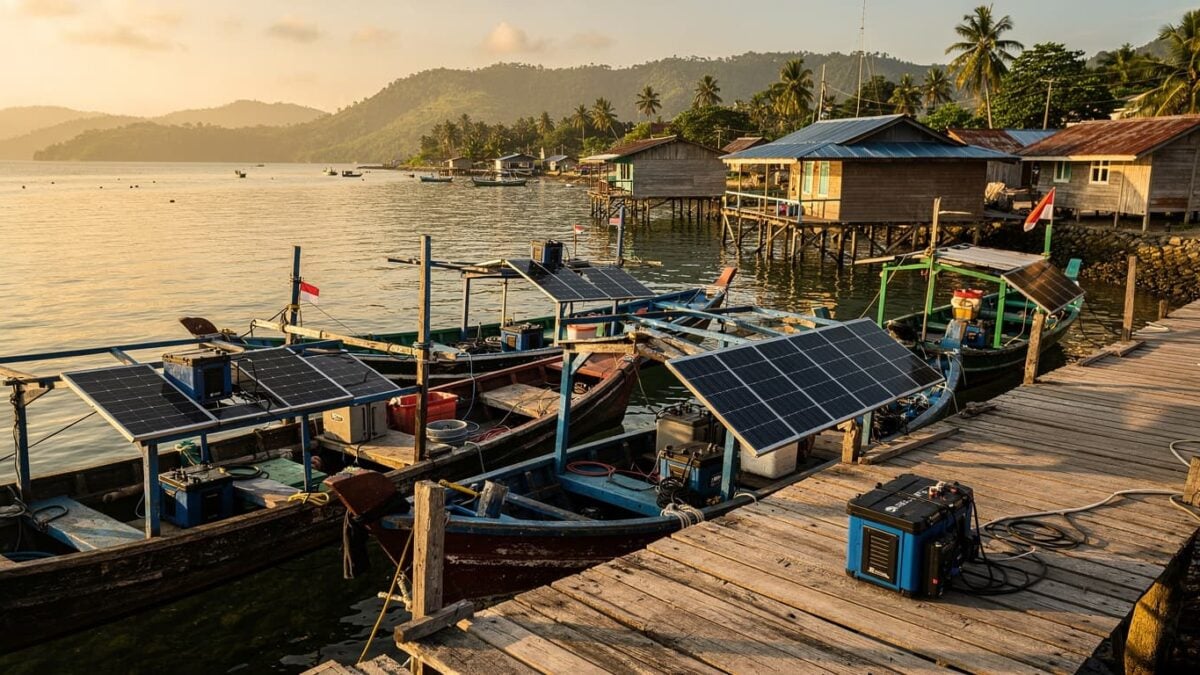
Announced in full on May 18, 2026, JETC’s funding will support renewable energy systems for agricultural cooperatives in Mindanao, the Philippines’ southernmost major island group and its highest-poverty region, and clean cold-chain facilities for fishing communities off Maluku, one of Indonesia’s poorest provinces. Both sites share a defining characteristic: they are precisely the kind of dispersed, low-income communities that national grid programmes and development bank pipelines routinely bypass.
The initiative is the first major capital deployment from JETC, which was first unveiled at the Philanthropy Asia Summit in 2025 and is co-led by Singapore-based Tara Climate Foundation alongside Philanthropy Asia Alliance. Grants will be released in tranches as individual projects complete due diligence — a structure that signals caution about scale but also a deliberate attempt to build a replicable proof of concept, not just write cheques.
RELATED

The details
In Mindanao, JETC is funding renewable energy systems for agricultural cooperatives, targeting a reduction in diesel dependence and improved processing capacity. Mindanao carries the highest poverty incidence rate among the Philippines’ island groups, and agriculture and fisheries together employ approximately 22.5 million people across the country — roughly 23.9 percent of total employment as of 2023, according to the Philippine Statistics Authority. Energy cost shocks ripple directly through that workforce.
In Maluku, the focus is cold-chain infrastructure: solar-powered refrigeration that allows fishing communities to keep catches fresh long enough to command better market prices. The province is among Indonesia’s poorest, and the economics of fishing there are still largely determined by how quickly a catch spoils. Indonesia’s Ministry of Energy and Mineral Resources reported a national electrification ratio of 99.87 percent in 2023 — a figure that obscures the reality that thousands of villages in eastern Indonesia, including across Maluku, still face unreliable or limited power access.
The Philippine legal framework for this kind of deployment is established: the Renewable Energy Act of 2008 (Republic Act No. 9513) provides income tax holidays and duty-free importation for renewable equipment, with net metering provisions that extend to off-grid areas. Indonesia’s Presidential Regulation No. 112/2022 on the acceleration of renewable energy development sets ceiling prices for renewable power procurement and explicitly prioritises remote-region projects, though implementation gaps in grid readiness remain significant. The International Energy Agency’s Southeast Asia Energy Outlook has documented both the scale of the investment shortfall and the structural barriers preventing capital from reaching community-level projects.
Why this model is being tested now
The energy transition in Southeast Asia has a well-documented last-mile problem. Indonesia signed a US$20 billion Just Energy Transition Partnership (JETP) with G7 members and partners in 2022, targeting a peak in power-sector emissions by 2030 and 34 percent renewable capacity by that year. The Philippines has submitted a Nationally Determined Contribution targeting a 75 percent reduction in greenhouse gas emissions by 2030 relative to business-as-usual, conditional on international support. Both commitments are real. Both face the same structural gap: the project pipelines and grid infrastructure needed to reach dispersed rural communities are not ready, and the financing instruments designed for national utilities do not translate to a fishing cooperative in Maluku.
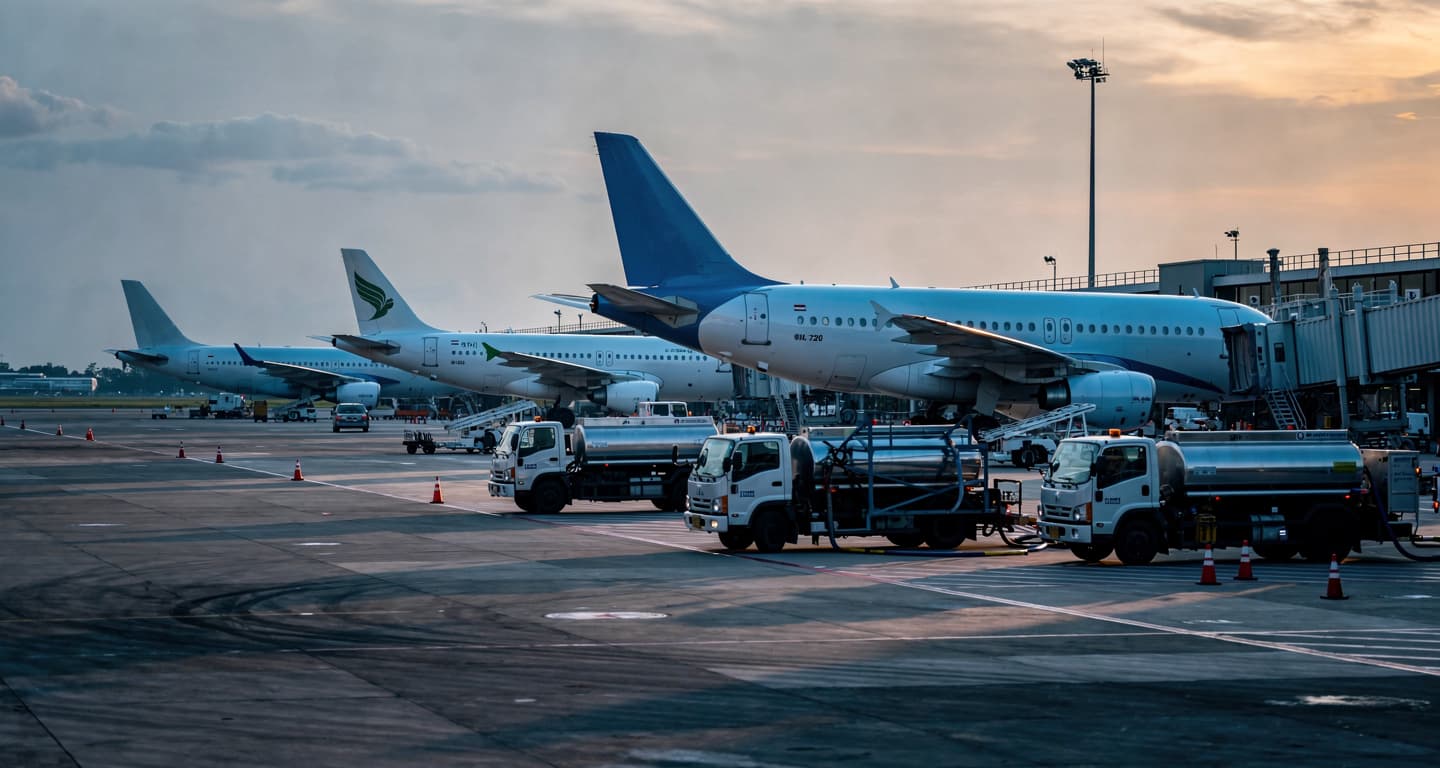
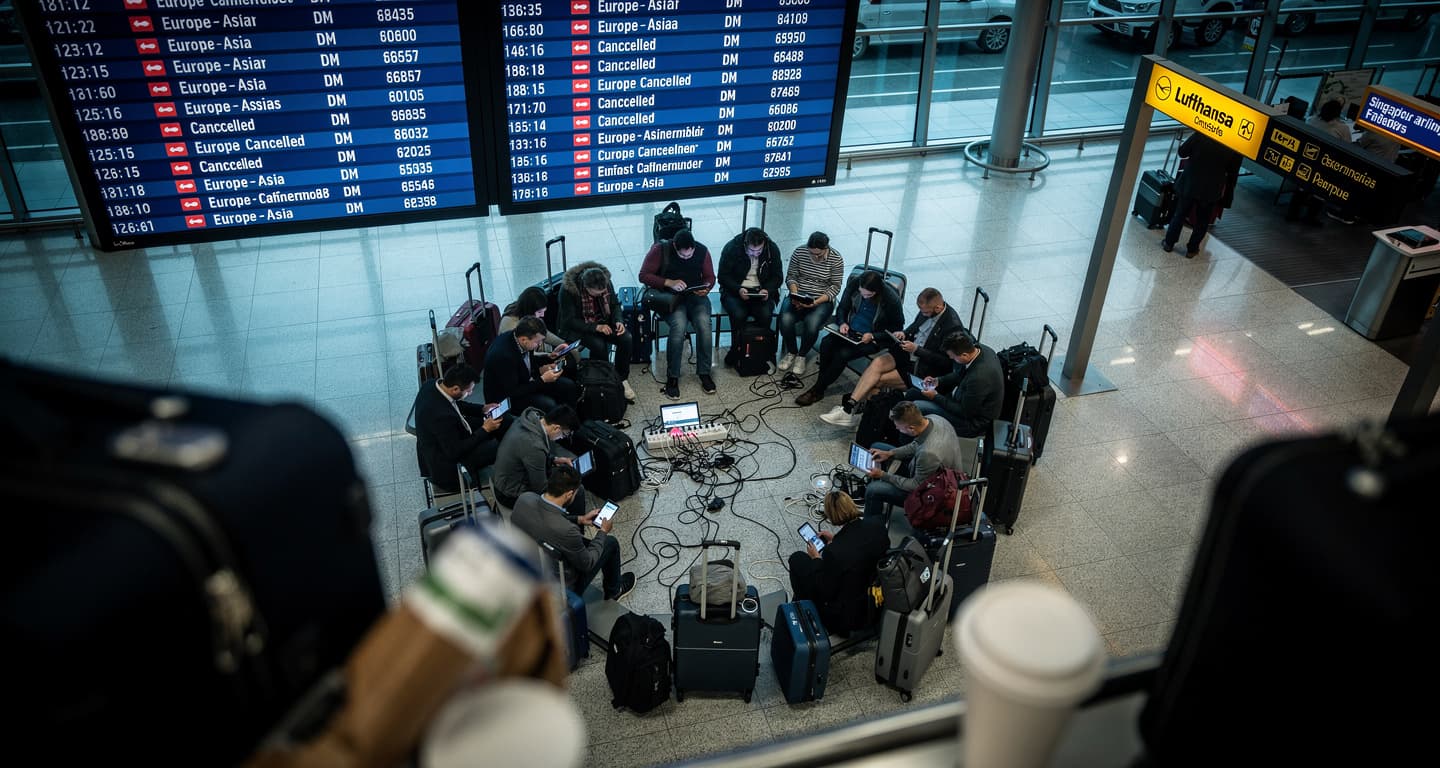
The Philippines’ power sector emitted approximately 60.9 million tonnes of CO₂ in 2022, with coal providing roughly 60 percent of electricity generation. Indonesia’s total energy-related CO₂ emissions reached around 654 million tonnes in the same year. The communities JETC is targeting contribute negligibly to those figures — but they bear disproportionate exposure to the consequences, through volatile diesel prices that track global oil markets and the same fuel price shocks now driving fare increases across the region’s aviation sector.
Woochong Um, chief executive of Global Energy Alliance for People and Planet and a JETC member, has framed the initiative in terms of dignity rather than decarbonisation: the argument that reliable, affordable energy is a precondition for livelihoods, not a downstream benefit of economic growth. That framing matters because it shifts the investment case — from climate impact measured in tonnes of CO₂ avoided to livelihood impact measured in income stability and food security. It is also a harder case to make to commercial investors, which is precisely why philanthropic capital is being positioned as the entity willing to make it first.
Beyond the headline
The bigger picture
This pledge highlights how the energy transition’s bottleneck in Southeast Asia is no longer technology but the last-mile financing models capable of reaching dispersed, low-income communities. Philanthropy is stepping into the role of risk-tolerant bridge — between small community projects and the vast pools of public and private climate capital that rarely reach village level. The question the sector is now asking is whether that bridge can be made replicable, or whether it remains a series of well-intentioned one-offs.
The reach
For investors, development agencies, and governments in Europe, North America, and Australia, the resilience of farming and fishing communities in the Philippines and Indonesia directly affects food export stability, coastal ecosystem health, and the reliability of destinations heavily marketed for eco-tourism. The way JETC’s pilot projects handle tariffs, subsidies, and grid integration will inform the blended-finance structures that Western development agencies and impact funds are being asked to co-finance at scale. Watch the metrics: if JETC’s first impact report — expected at the Philanthropy Asia Summit in late 2026 — quantifies diesel displaced and livelihood gains, it signals that community-level clean energy is investable. If the metrics remain vague, expect continued hesitation from development banks.
Our take
US$2.6 million will not move Southeast Asia’s emissions needle on its own, but it can decisively test whether philanthropic capital can unlock durable, community-owned clean-energy models in places commercial investors ignore. If JETC proves that farmers and fishers can reliably pay for solar-powered services that improve their livelihoods, that evidence will carry more strategic weight than another round of top-down transition pledges centred on national utilities and coal plants. The initiative’s value will be determined entirely by the rigour of the data it produces — not the size of the cheque.
What this means for investors and policymakers watching Southeast Asia’s energy transition
With JETC’s first disbursements now confirmed and its impact reporting window set for late 2026, Western development agencies, impact investors, and blended-finance funds face a specific set of decisions about how to engage with community-level clean energy in the Philippines and Indonesia.
- Track JETC’s impact metrics closely: The initiative’s first public impact report is expected at the Philanthropy Asia Summit in late 2026. Specific data on diesel displaced, tariff repayment rates, and livelihood improvements will be the signal that community-level solar and cold-chain projects are ready for larger capital. Vague reporting will indicate the model is not yet investable at scale.
- Understand the Philippine regulatory framework: The Renewable Energy Act of 2008 (Republic Act No. 9513) provides a clear legal basis for off-grid renewable deployment, including fiscal incentives for equipment and net metering provisions. Western equipment suppliers and project developers should review the Philippines Department of Energy’s full legislative framework before entering the market.
- Monitor Indonesia’s JETP implementation gaps: Indonesia’s US$20 billion JETP commitment targets 34 percent renewable capacity by 2030, but implementation plans show significant gaps in grid readiness and project pipelines for remote regions, particularly in eastern Indonesia. These gaps represent both risk and opportunity for blended-finance structures.
- Assess the cold-chain investment case separately: JETC’s Maluku cold-chain component addresses a distinct market failure — post-harvest loss in fisheries — that has a measurable commercial return independent of climate finance. Impact investors focused on food security and blue economy sectors should evaluate this as a standalone asset class.
- Engage with Philanthropy Asia Alliance directly: JETC is designed to connect funders to frontline projects. Western foundations, family offices, and corporate giving programmes with climate mandates can contact Philanthropy Asia Alliance in Singapore to explore co-funding arrangements as individual projects clear due diligence.