The Iran war that began on February 28, 2026 has knocked out nearly 1.6 million tonnes of aluminium production following missile and drone strikes on major smelters in the United Arab Emirates, pushing London Metal Exchange benchmark prices up 13% since the conflict started and 19% year to date to US$3,597 per tonne. Wood Mackenzie estimates total supply at risk could reach 3 million to 3.5 million tonnes — roughly 4–5% of the 74 million tonne global output recorded in 2025 — with direct consequences for solar panels, wind turbines, and grid infrastructure across Indonesia, Vietnam, and the Philippines.
China’s ability to compensate is constrained by a regulatory output cap of 45 million tonnes. The real vulnerability exposed here is not the price spike itself, but how deeply Southeast Asia’s clean-energy buildout depends on a single shipping corridor and a handful of smelters.
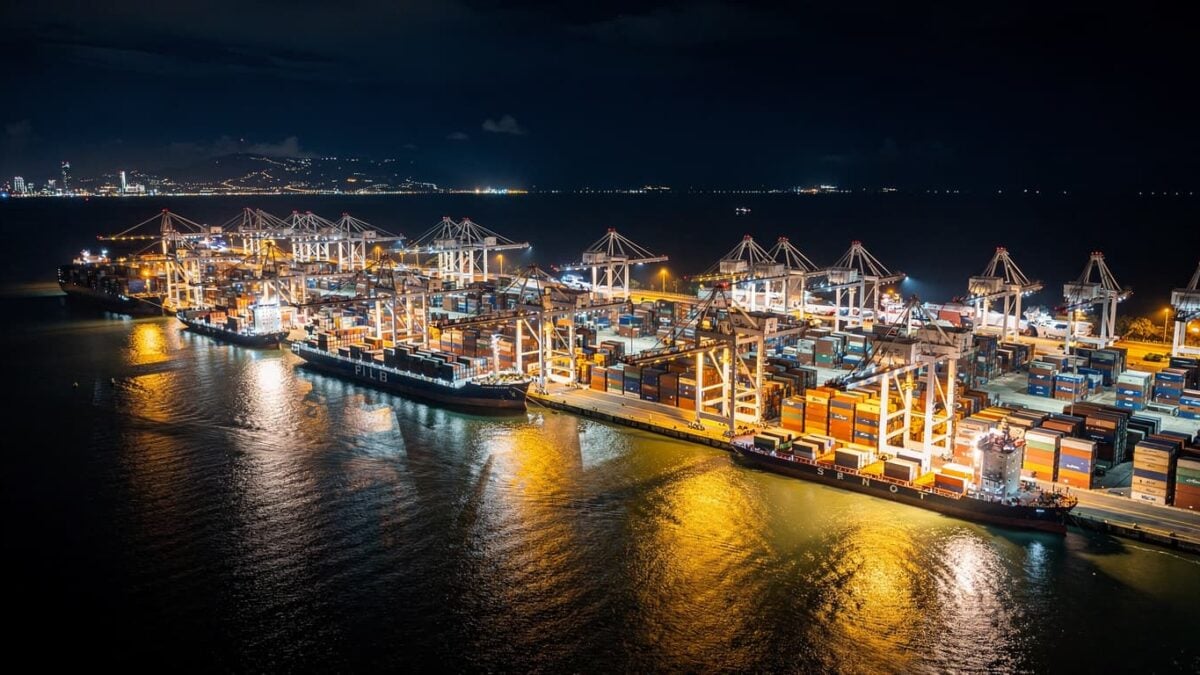
On March 28, Iranian missiles and drones struck Emirates Global Aluminium‘s Al Taweelah complex and the ALBA facility in Bahrain, removing approximately 1.6 million tonnes of annual production from a global market that was already watching the Strait of Hormuz with anxiety. The attacks did not just damage smelters — they exposed the structural fragility of Southeast Asia’s clean-energy ambitions at precisely the moment those ambitions were gaining momentum.
Indonesia, Vietnam, and the Philippines had accelerated rooftop solar and grid upgrades over the past two years, pushed by high electricity bills tied to elevated oil and gas prices. That same conflict is now raising the cost of the aluminium frames, mounting systems, and transmission components those projects require. What looked like a regional energy transition success story is now a supply-chain stress test.
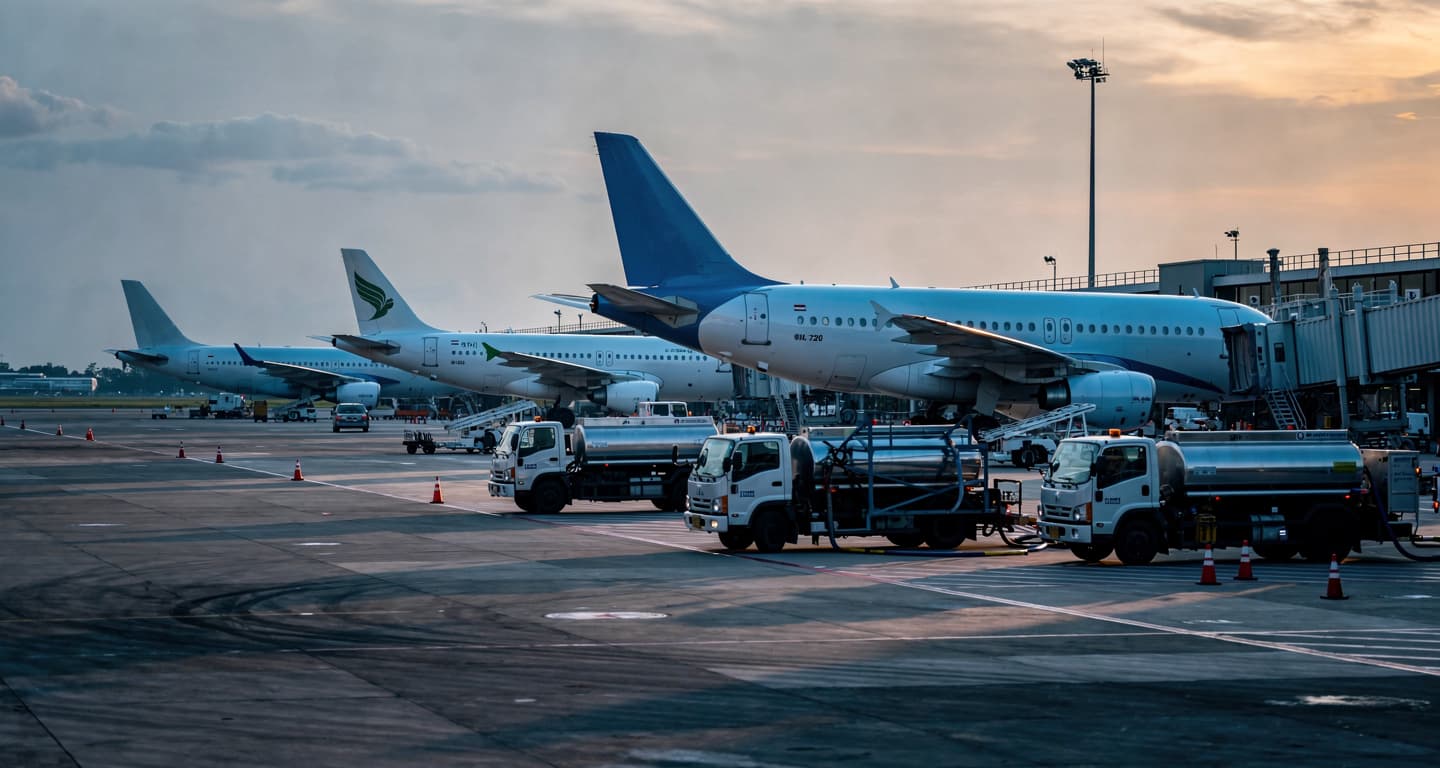
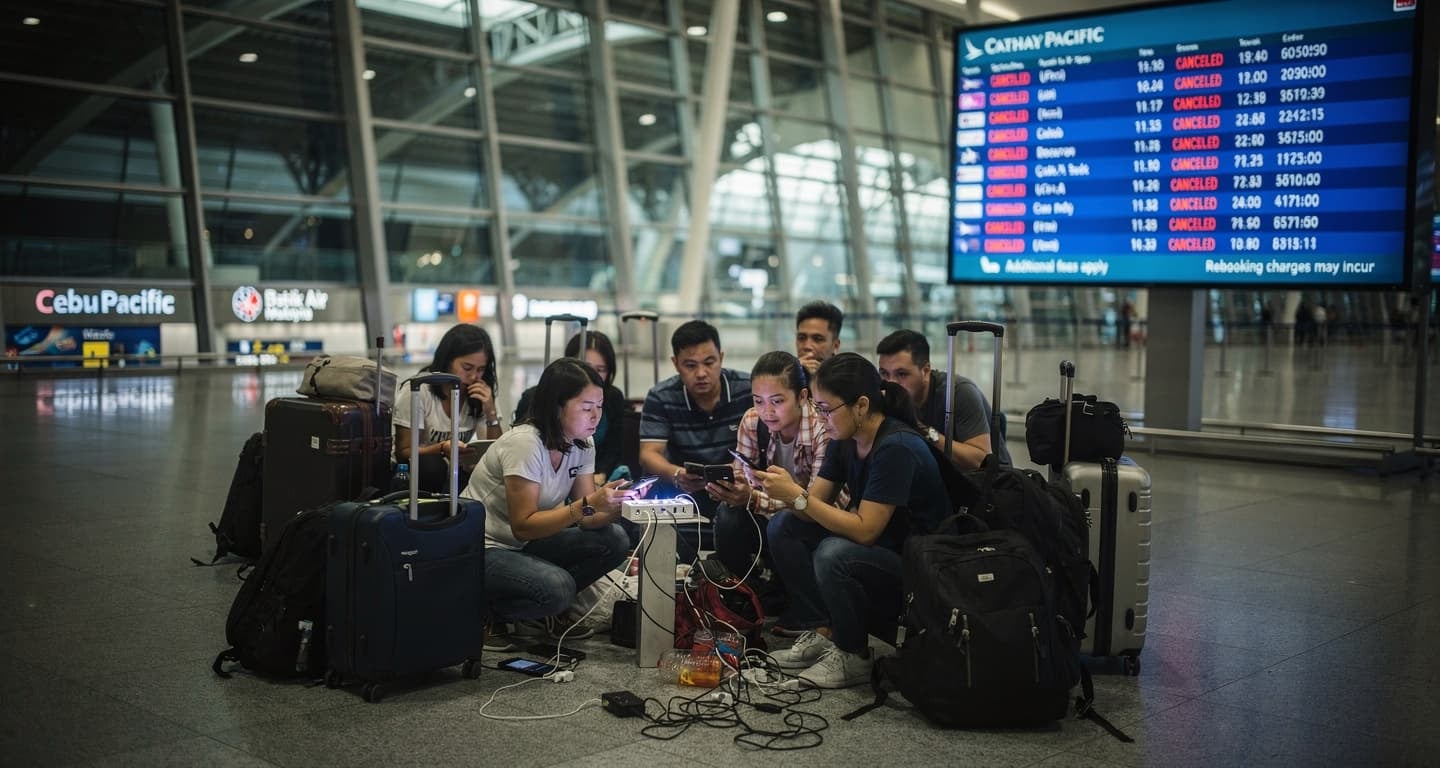
The Strait of Hormuz blockade compounds the smelter damage by disrupting shipping routes for raw materials and finished metal alike — a dynamic already inflating travel costs across the region, with Europe-Asia airfares jumping 24% as airlines reroute around closed Middle East airspace. The aluminium market is experiencing a version of the same geography problem.
RELATED

The details
ANZ Bank’s research note estimated that close to 3 million tonnes of aluminium production could be affected by the conflict in total, once secondary disruptions to logistics and raw material flows are included. Wood Mackenzie’s figure of 3 million to 3.5 million tonnes at risk represents the most cited upper bound, and it sits against a 2025 global output baseline of just under 74 million tonnes — making the potential shortfall between 4% and 5% of annual supply.
Chinese smelters are the obvious backstop, and output is rising. The problem is structural: Beijing enforces a hard regulatory cap of 45 million tonnes per year on domestic aluminium production, a ceiling designed to manage energy consumption and industrial overcapacity. That cap has not been lifted, and there is no current indication it will be, which means the market cannot simply route around the Middle East disruption through Chinese volume.
Aluminium’s benchmark price on the London Metal Exchange was trading at US$3,597 per tonne as of Tuesday, up more than 13% since the war began on February 28 and 19% year to date. For project developers in import-dependent markets, that is not an abstract commodity move — it is a direct increase in the cost of every frame, every mounting rail, and every transmission tower they need to buy.
| Metric | Figure | Source |
|---|---|---|
| Production lost from smelter strikes (Al Taweelah & ALBA) | ~1.6 million tonnes | ANZ Bank |
| Total production potentially affected by conflict | 3.0–3.5 million tonnes | Wood Mackenzie |
| Global aluminium output baseline (2025) | ~74 million tonnes | Wood Mackenzie |
| LME benchmark price (Tuesday, May 2026) | US$3,597/tonne | Reuters |
| LME price rise since war began (Feb 28) | +13% | Reuters |
| LME price rise year to date | +19% | Reuters |
| China’s regulatory production cap | 45 million tonnes/year | Reuters |
Why Southeast Asia is most exposed
IRENA data shows Southeast Asia needs approximately US$210 billion per year in clean-energy investment to meet net-zero targets — a figure that assumes hardware costs remain manageable. That assumption is now under pressure. Indonesia, Vietnam, and the Philippines are among the most import-dependent markets for solar and wind components in the region, meaning cost increases in global metals markets pass through quickly to project budgets.
The policy response so far is fragmented. No regional agreement on strategic aluminium stockpiles or coordinated procurement exists. Governments are instead moving toward individual conversations about supply-chain resilience, domestic processing incentives, and alternative metal sourcing — none of which resolves the immediate squeeze. Clean-energy targets remain on paper; the materials to build them are now geopolitically priced.
The forward signal to watch is the Strait of Hormuz corridor. Diplomatic activity is intensifying, and a formal de-escalation or military pause in the next one to three weeks would ease shipping risk and freight premiums quickly. If that pause does not materialise, the market will continue pricing a persistent disruption — and smelters and traders hedging through the LME will keep pushing costs upstream to developers.
Beyond the headline
The bigger picture
This is what energy transition looks like when decarbonisation collides with commodity geopolitics. Clean power systems are no longer held back only by technology or finance; they are also hostage to shipping lanes, smelter geography, and war-risk pricing in a handful of critical inputs. The Iran conflict has not created this vulnerability — it has simply made it impossible to ignore.
The reach
For renewable-energy investors and industrial buyers in Europe and North America, the consequence is direct: higher hardware costs, more volatile project economics, and a tougher underwriting environment for Southeast Asian supply chains. Any delay in Indonesia’s, Vietnam’s, or the Philippines’ buildout also matters to firms counting on steady growth in electricity demand, grid expansion, and equipment exports to those markets.
Our take
The clean-energy story is now an industrial one, not just a climate one. The countries trying hardest to build faster are the ones most exposed to imported bottlenecks, and that makes supply-chain resilience as important as panel subsidies or emissions pledges. Markets will price that reality long before policymakers fully catch up — and the 19% year-to-date move in aluminium is the opening data point, not the ceiling.
What this means for clean-energy investors and developers
With aluminium prices up 19% year to date and the Strait of Hormuz corridor still disrupted, Western investors and developers with exposure to Southeast Asian renewable projects face a narrow window to reassess procurement and financing assumptions before the next project cycle.
- Reprice hardware costs immediately. Any project budget in Indonesia, Vietnam, or the Philippines built on pre-February 2026 aluminium assumptions is now understated. Developers should model at current LME prices of US$3,597/tonne plus a freight-risk premium for Middle East-routed supply chains.
- Monitor the Strait of Hormuz closely. A formal de-escalation or military pause in the next one to three weeks would ease shipping risk and freight premiums quickly. Track official statements from the CSIS Southeast Asia energy analysis for regional impact assessments as the situation develops.
- Watch China’s production cap decision. Beijing’s 45-million-tonne regulatory ceiling has not been lifted. Any signal from China’s National Development and Reform Commission about a temporary cap adjustment would be the single most significant supply-side news in this story.
- Assess project-finance exposure by country. The Philippines and Vietnam have the highest share of import-dependent solar pipelines in the region. Projects at or near financial close are most vulnerable to cost escalation; those in early development have more time to source alternative suppliers or renegotiate procurement terms.
- Track IRENA’s Southeast Asia investment monitoring. The agency’s annual investment tracking against the US$210 billion per year net-zero benchmark will be the clearest indicator of whether this disruption is causing deployment delays or simply margin compression at the project level.