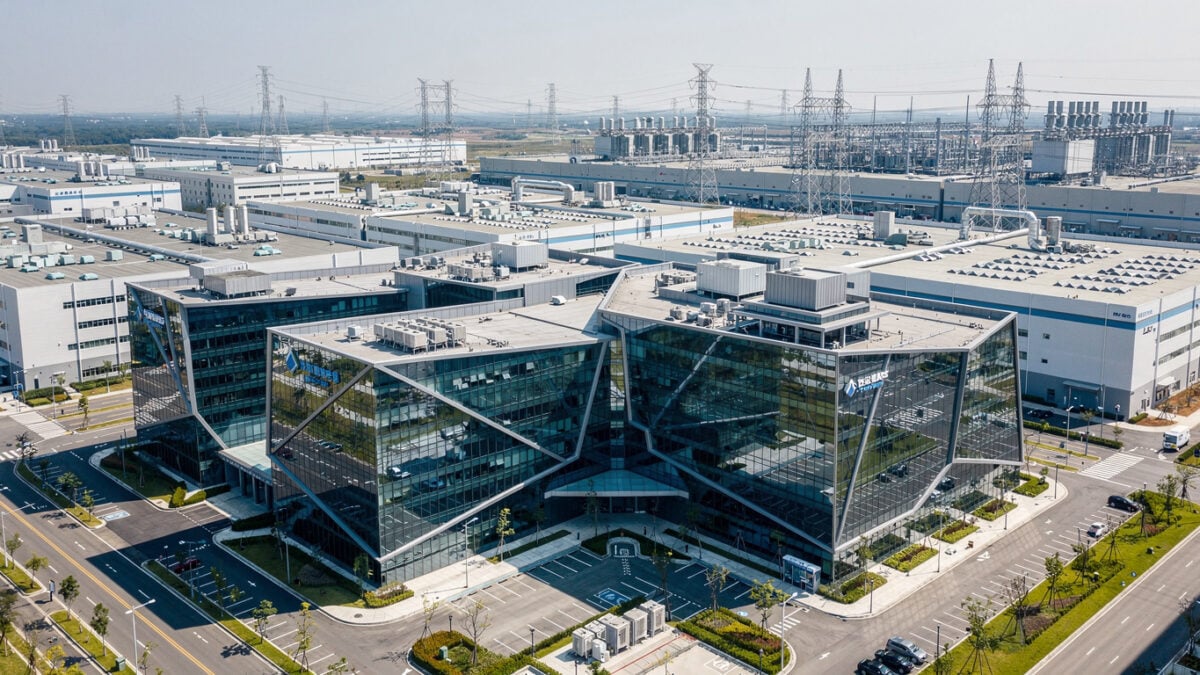
Nvidia CEO Jensen Huang on May 28, 2026 unveiled the design for Nvidia Constellation, the company’s planned Taipei headquarters, and announced an NT$150 billion (approximately US$4.6 billion) investment in Taiwan — roughly 15 times AMD’s announced NT$10 billion commitment. The building, sited on plots T17 and T18 of Beitou-Shilin Technology Park, is scheduled to break ground by the end of 2026 and open in 2030. Nvidia’s Taiwan workforce will expand from around 1,000 employees to 4,000.
Huang attached an explicit condition to the expansion: Taiwan must substantially increase its electricity supply. Without it, the AI infrastructure Nvidia intends to build on the island cannot function.
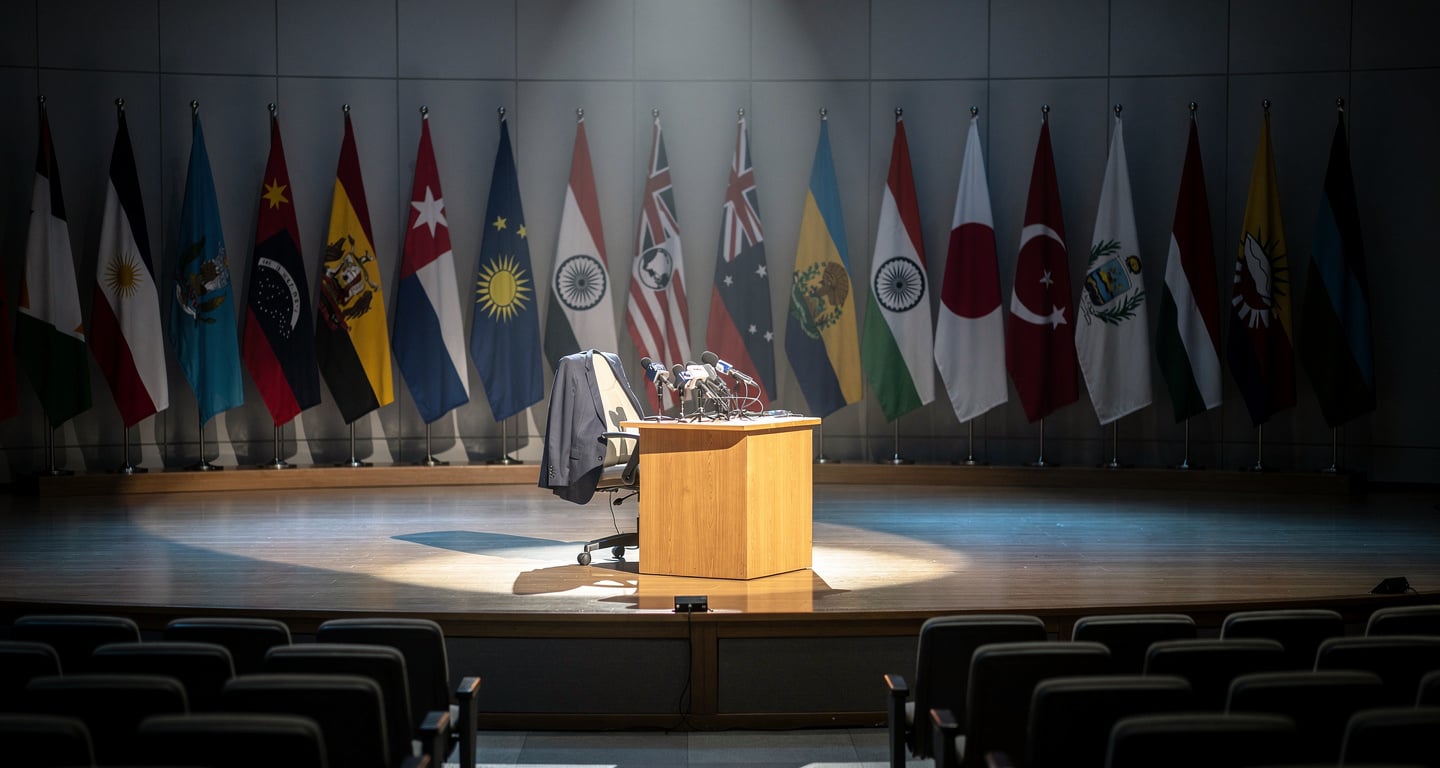
The architectural reveal was the spectacle — a glass-and-polygon campus modelled on Nvidia’s Santa Clara headquarters, complete with a bar as the building’s first installed feature. But the more consequential announcement at Wednesday’s employee gathering in Taipei was buried inside a single sentence Jensen Huang directed at Taipei Mayor Chiang Wan-an: “AI labor needs electricity.”
Huang made clear that Nvidia’s NT$150 billion investment pledge is contingent on Taiwan delivering the energy infrastructure to power it. The company currently operates around 1,000 employees on the island; that figure is targeted to reach 4,000 once Constellation opens in 2030. The gap between those numbers is, in practice, a grid problem as much as a hiring one.
The investment dwarfs anything a direct competitor has committed to Taiwan. AMD’s planned NT$10 billion outlay — itself significant — is one-fifteenth the scale of Nvidia’s figure. That gap reflects Nvidia’s dominant position: the company holds approximately 80% of the global data-centre AI accelerator market, according to Omdia’s March 2026 analysis, and Taiwan is where the chips enabling that dominance are fabricated.
RELATED
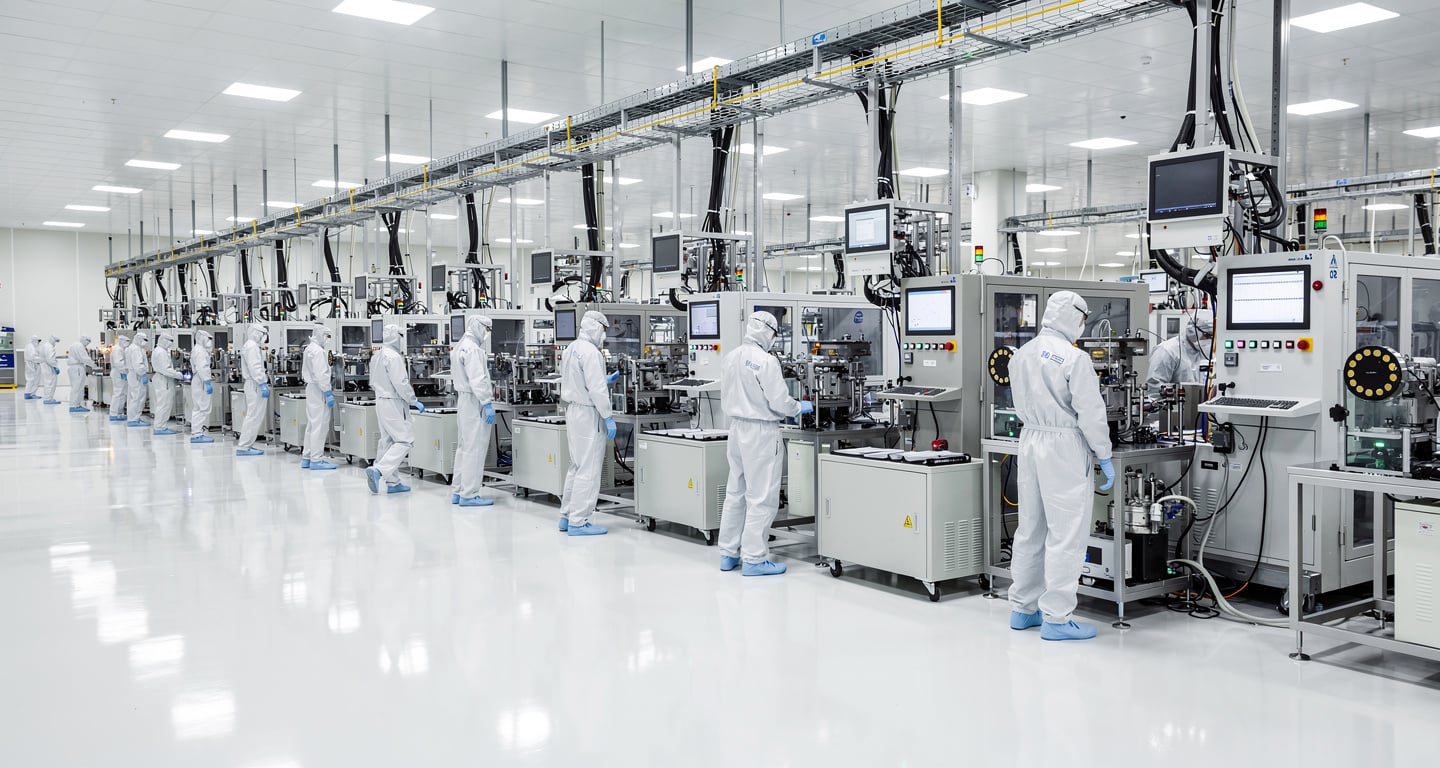
Taiwan accounts for more than 70% of global advanced-node foundry capacity, per TrendForce data from April 2026. Nvidia is not simply building a regional office. It is anchoring itself to the only place on earth where its supply chain actually exists.
What Nvidia is actually building — and what it needs to build it
Constellation’s design mirrors Nvidia’s Santa Clara campus: 700,000 square feet of floor area across a glass-and-polygon facade intended, Huang said, to embody the company’s value of transparency. The site spans plots T17 and T18 of Beitou-Shilin Technology Park in northern Taipei. Huang joked that the absence of elevators — which he described as a concept he hates — should encourage employees to use the stairs, and that the bar going in first should encourage them to show up at all.
The ambition extends beyond a single campus. Huang said Nvidia intends to replicate the Constellation design at headquarters locations around the world, making Taipei the template for a global architecture strategy rather than a standalone regional office.
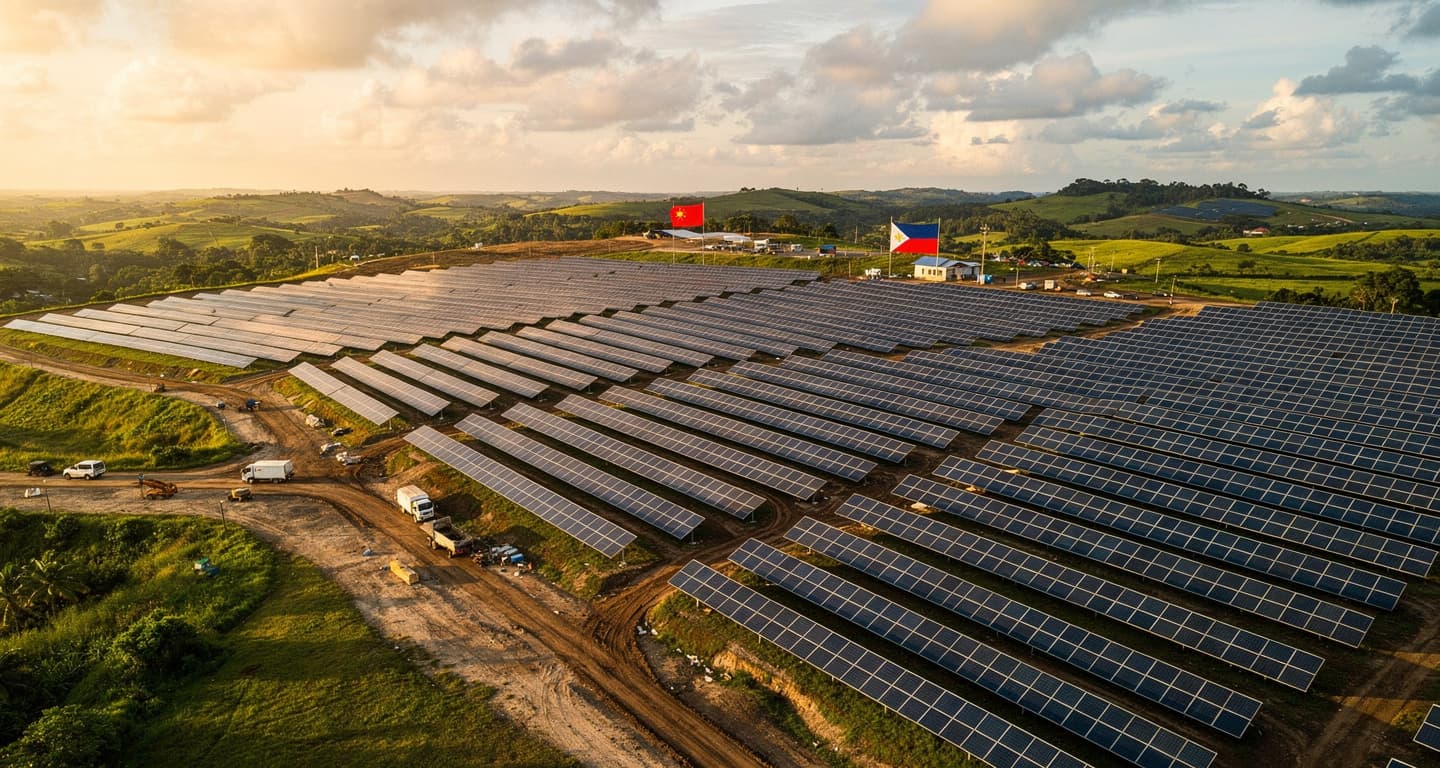
The energy demand Huang flagged is not rhetorical. AI training and inference clusters consume power at a scale that strains even well-developed grids. Taiwan’s Ministry of Economic Affairs has pledged to raise total power generation capacity to approximately 72.6 GW by 2030, with at least 60–70% of new capacity earmarked to support semiconductor and data-centre-heavy industries. Whether that capacity materialises on schedule — and in the right locations in northern Taiwan — will determine how credible Nvidia’s expansion timeline actually is. The investment gap between Nvidia and its nearest rival becomes clearer when the two companies’ Taiwan commitments are mapped side by side.
Taipei Mayor Chiang Wan-an attended the event and presented Huang with a golden key to the city and a calligraphy scroll — the couplet written in the mayor’s own hand, incorporating Nvidia’s name in Chinese characters. Official statements confirm the NT$150 billion figure and the broad terms of the expansion.
How the electricity constraint reshapes the entire calculation
Taiwan’s grid was not designed for the AI era. The island’s power system has historically struggled with reserve margins — a consequence of retiring nuclear capacity and the sheer density of energy-hungry semiconductor fabs concentrated in a relatively small geography. Taiwan Power Company (Taipower) operates the national grid under chronic pressure, and northern Taiwan — where Beitou-Shilin Technology Park sits — is among the most constrained zones.
The Ministry of Economic Affairs’ 72.6 GW capacity target for 2030 is ambitious relative to current installed capacity, but the timeline is tight and the mix of new generation — renewables versus gas versus nuclear — remains politically contested. Nvidia’s Constellation campus will not be the only large power consumer coming online in that window. TSMC’s advanced-node fabs are expanding simultaneously, and hyperscalers including Google and Microsoft have announced data-centre investments in Taiwan over the past 18 months.
The infrastructure story beneath the product story is this: Taipei’s ambition to become a global AI hub now runs directly through Taipower’s grid investment roadmap. That is a dependency that no architectural design — however transparent its glass facade — can engineer away. For Western cloud providers whose AI pipelines depend on Nvidia accelerators fabricated at TSMC, the energy question in northern Taiwan is not a local utility issue; it is a supply-chain risk that belongs in the same conversation as geopolitical resilience.
Beyond the headline
The power behind it
The leverage in this story sits less with Nvidia’s capital than with Taiwan’s energy planners and grid operator. However advanced its chips, Nvidia cannot run power-hungry AI clusters without guaranteed long-term electricity. That makes ministries and Taipower — not just city officials or real-estate developers — the real gatekeepers of how far and how fast Taipei can become a global AI hub.
The bigger picture
Nvidia’s expansion highlights a structural shift: AI value creation is clustering around a few hardware-and-fabrication nodes rather than dispersing globally as software did. Taiwan’s role as a single point of failure for advanced logic now extends from smartphones and PCs into frontier AI compute. For Western economies, resilience debates about Taiwan can no longer be framed as just a semiconductor story; they now encompass the entire AI scale-up pathway.
The reach
One underappreciated ripple involves European cloud providers that currently trail U.S. hyperscalers in AI infrastructure. As Nvidia concentrates more design and support functions in Taipei, European firms relying on its accelerators will still depend on a supply chain running through Taiwan’s energy and security environment. That geographic dependency could shape how far EU-based AI platforms can localize compute within Europe despite ambitious digital-sovereignty goals.
What Nvidia’s Taiwan bet means for your money, supply chain, and travel plans
With Nvidia’s Taipei campus breaking ground before the end of 2026 and Taiwan’s grid capacity under scrutiny, the decisions made in the next 18 months will determine whether this investment delivers on its scale — or becomes a cautionary study in infrastructure-dependent ambition.
-
Investors and capital allocators
Nvidia’s NT$150 billion commitment is a directional signal, not a guarantee of returns. Watch Taipower’s northern Taiwan grid expansion announcements in late 2026 — if concrete baseload additions are approved, the investment thesis for Taiwan-exposed AI infrastructure plays strengthens considerably. If capacity commitments slip, expect Nvidia and hyperscalers to redirect incremental data-centre spend toward Singapore, Japan, or the U.S. Southwest, which would reprice Taiwan-centric positions. TSMC’s 2027–2028 capex guidance, expected with its next annual outlook, will be the second confirmation signal to track.
-
Western tech and cloud executives
If your AI pipeline runs on Nvidia accelerators — and for most large-scale deployments, it does — your supply-chain exposure to Taiwan just deepened. Nvidia’s decision to concentrate design, support, and executive functions in Taipei, physically adjacent to TSMC’s fabs, reduces the geographic diversification that many enterprise risk frameworks assume. Review whether your supplier resilience planning accounts for Taiwan’s energy grid as a single point of constraint, not just its geopolitical status. Taiwan’s investment regime under the Statute for Investment by Foreign Nationals is deliberately open to high-tech FDI, making direct engagement with Taiwanese partners straightforward for Western firms.
-
Business travellers and executives relocating to Taiwan
Nvidia’s expansion to 4,000 Taiwan-based employees by 2030 will pull a significant cohort of Western tech professionals into Taipei on both short and long rotations. Taipei’s infrastructure for international arrivals is well-developed — for those connecting onward across Asia, Taipei Taoyuan operates as a 24-hour hub with minimum connection times of 60 minutes, considerably more efficient than comparable Tokyo routing. Cost of living in Taipei remains substantially below comparable tech hubs in Singapore or Tokyo, which will factor into relocation decisions for both Nvidia and the ecosystem firms likely to cluster around Constellation.