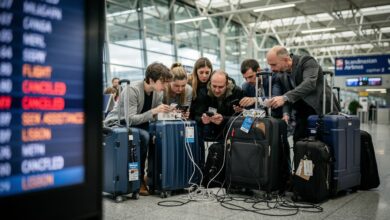
European airlines operating to Vietnam face 10–20% monthly capacity cuts if jet fuel prices remain above $160 per barrel, with KLM, Lufthansa, and SAS already reducing frequencies on Amsterdam–Hanoi and Frankfurt–Ho Chi Minh City routes. Vietnam’s Civil Aviation Authority confirmed fuel reserves sufficient only through end of April 2026, while Europe relies on imports for 75% of aviation fuel, much of it from Middle East sources now disrupted by escalating conflict involving the Strait of Hormuz.
Travelers holding bookings on these routes face cancellation risk within weeks. Vietnam Airlines has warned of operational cuts if fuel supply constraints persist, while European carriers are quietly removing flights from May schedules.
Fuel crisis forces Europe–Vietnam route cuts
An emerging crisis in jet fuel supply is mounting pressure on flights between Europe and Vietnam as Middle East disruptions choke off aviation fuel imports to both regions. Recent reports and escalating fuel supply concerns have triggered capacity reductions across multiple carriers serving the route.
Vietnam Airlines has warned of 10–20% monthly capacity cuts if jet fuel prices remain above $160 per barrel, according to industry analysis tracking the carrier’s operational planning. The flag carrier’s warning comes as Vietnam’s Civil Aviation Authority confirmed fuel reserves sufficient only through the end of April, with 70% of the country’s aviation fuel imported from Thailand and China.
European carriers are performing similar triage. Analyst reports warn that conflict-related disruptions near the Strait of Hormuz could trigger a looming jet fuel shortage in Europe and Asia, potentially upending travel within weeks. Airlines globally are quietly removing 20–30% of flights from schedules, with Europe–Vietnam routes particularly exposed due to their dependence on Middle East fuel supplies.
KLM announced the cancellation of 80 flights to and from Amsterdam Schiphol Airport in May due to rising fuel costs, though the airline stated affected flights account for less than 1% of its European schedule. Lufthansa has considered reducing capacity by 2.5–5%, potentially grounding 20 to 40 aircraft, while SAS planned to cancel around 1,000 flights in April.
| Carrier | Route | Baseline frequency | Status |
|---|---|---|---|
| KLM | AMS–HAN | 3× weekly | Cuts expected |
| Lufthansa | FRA–SGN | 5× weekly | Under review |
| SAS | CPH–SGN | 2× weekly (seasonal) | Cuts expected |
| Vietnam Airlines | Multiple EU routes | Various | 10–20% cuts warned |
Baseline frequencies for these routes are now subject to cuts as fuel supply constraints tighten. The International Energy Agency has described the situation as part of an unprecedented global energy crisis, with Europe particularly vulnerable due to its heavy reliance on Middle East imports.
Vietnam’s Civil Aviation Authority director general Uong Viet Dung sent a letter on April 17 to China’s aviation regulator requesting support to maintain stable fuel supplies. The letter emphasized that the crisis has caused severe disruptions to global and regional oil supply chains, adversely affecting Vietnamese carriers. Vietnam sources more than 60% of its aviation fuel from Thailand and China, making Chinese supply critical to maintaining domestic airline operations.
How Middle East conflict disrupts Asian aviation
The aviation fuel shortage stems directly from escalating tensions involving the United States, Israel, and Iran, which have severely disrupted the Strait of Hormuz — a critical transit route carrying a significant share of the world’s crude oil and refined fuels. Europe’s refining capacity has nearly reached its limit, leaving the region dependent on imports for approximately 75% of its aviation fuel, much of it sourced from the Middle East.
The current situation differs from previous disruptions. The 2019 Iran–US tanker attacks caused temporary price spikes of around 30%, but supplies resumed within weeks. The 2022 Ukraine conflict forced European fuel diversification but did not involve direct blockade of primary shipping lanes. This 2026 escalation represents a new threat level — analysts warn that prolonged disruptions could trigger sustained shortages rather than temporary price volatility.
No airspace closures have been implemented, but fuel supply constraints are forcing operational changes. Europe–Vietnam flights face longer routing to avoid affected areas, increasing fuel burn by approximately 15% and compounding the shortage. The International Energy Agency has warned that if blockades persist, both domestic and international flights across Europe could face cancellations due to fuel shortages.
Industry organizations have warned that a systemic fuel shortage could emerge within weeks if flows through the Strait of Hormuz are not restored, posing a serious threat to the upcoming peak travel season. Widespread cancellations could affect millions of passengers, drive up ticket prices, and trigger ripple effects across tourism and related supply chains.
For context on alternative routing strategies when primary hubs face disruption, travelers can explore the best European airport hubs for Asia connections, though current fuel constraints affect all European departure points.
What to do if you have a Europe–Vietnam booking
Travelers with existing bookings face cancellation risk through May as fuel supply constraints force schedule changes across multiple carriers.
- Check airline schedules daily. Visit klm.com, lufthansa.com, and flysas.com to monitor Europe–Vietnam flight status. Carriers are updating schedules as fuel allocations change.
- Verify EU261 eligibility now. Passengers departing from EU airports are entitled to €600 compensation for cancellations on long-haul flights exceeding 3,500km if notified fewer than 14 days before departure. File claims within six years via airline websites or at the official EU passenger rights portal.
- Search alternative routings immediately. Check flights from Europe to Vietnam for availability via Middle East hubs like Doha or Dubai, though these add 2–4 hours to total journey time.
- Contact airlines directly for rebooking. Call KLM at +31-20-649-9123 or Lufthansa at +49-69-86-799-799 within 24 hours of schedule changes to secure fee-free rebooking before alternative flights fill.
Watch: The International Energy Agency’s Oil Market Report expected April 23 will indicate whether Strait of Hormuz flows have resumed. Analysts suggest that if flows drop below 50% capacity, it could mean 30% EU–Vietnam cancellations by May 1 for KLM and Lufthansa. Vietnam Airlines is expected to release a capacity statement around April 25 during earnings — if cuts exceeding 10% are confirmed, expect fares to rise 40% with alternatives shifting to Singapore and Bangkok hubs.
Which Europe–Vietnam routes face the highest cancellation risk?
Amsterdam–Hanoi on KLM and Frankfurt–Ho Chi Minh City on Lufthansa face the highest risk due to these carriers’ announced capacity reductions and their reliance on Amsterdam Schiphol and Frankfurt hubs, both heavily dependent on Middle East fuel imports. Copenhagen–Ho Chi Minh City on SAS is also at risk due to the carrier’s planned April cancellations.
Are flights from other European cities to Vietnam affected?
Yes. The fuel shortage affects all European carriers due to the region’s 75% dependence on aviation fuel imports, much of it from Middle East sources. Paris, London, and other major hubs face similar supply constraints, though specific route cancellations vary by carrier and fuel allocation.
What happens if my flight is cancelled fewer than 14 days before departure?
Passengers departing from EU airports are entitled to €600 compensation under EU261/2004 for long-haul flight cancellations (over 3,500km) with fewer than 14 days’ notice, unless the airline can prove extraordinary circumstances. You must also receive rebooking on the next available flight or a full refund. File claims directly with the airline or through the official EU passenger rights portal within six years.
Should I book new Europe–Vietnam flights right now?
Only if you can secure confirmed seats on flights departing before mid-May and have verified the airline’s current fuel allocation status. Availability is limited, and fares are rising. Consider alternative routings via Middle East hubs like Doha or Dubai, though these add 2–4 hours to journey time and face their own regional fuel supply uncertainties.