Southwest jets avoid mid-air collision at Nashville after ATC error, FAA investigates

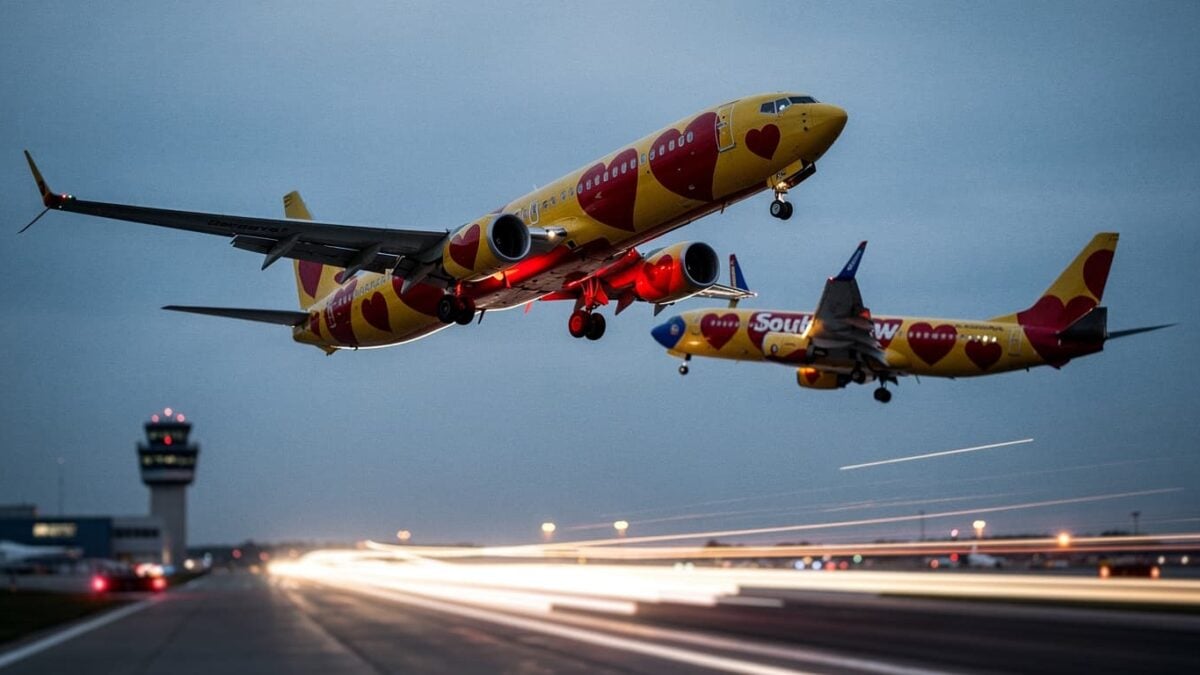
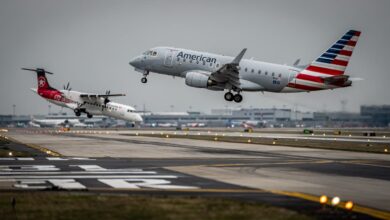
Air traffic control at Nashville International Airport directed a Southwest Airlines flight performing a go-around into the departure path of another Southwest jet on April 18, 2026, triggering cockpit collision warnings in both aircraft. The two Boeing 737s passed within approximately 500 feet vertically — half the FAA’s minimum separation standard — before onboard systems and crew intervention prevented a mid-air collision.
The FAA has launched a formal investigation into the controller error. No injuries occurred, but the incident marks the second such close call at BNA in under a year.
Controller instruction puts two jets on collision course
Flight WN-507, inbound from Myrtle Beach and operating a Boeing 737 MAX 8, elected to go around due to wind gusts on the runway. Air traffic control then instructed the crew to turn right — directly into the departure path of Flight WN-1152, a 737-700 departing for Knoxville from a parallel runway.
Both aircraft’s Traffic Collision Avoidance Systems activated simultaneously, issuing resolution advisories to the pilots. One crew received a climb command, the other a descent command. The pilots followed TCAS instructions — which override ATC directives in conflict scenarios — and achieved safe separation before their flight paths intersected.
Flightradar24 data confirms the aircraft passed within 500 vertical feet of each other. Federal regulations require 1,000 feet minimum vertical separation or three miles lateral separation in terminal airspace.
The FAA confirmed the investigation in a statement, noting that the controller’s instruction “put the flight in the path of another airplane that was departing from a parallel runway.” Both flights continued to their destinations without further incident.
| Flight | Aircraft | Route | Action taken |
|---|---|---|---|
| WN-507 | 737 MAX 8 | MYR–CMH | Go-around, right turn, TCAS climb |
| WN-1152 | 737-700 | BNA–TYS | Departure, TCAS descent |
| Minimum separation: 500 feet vertical (FAA standard: 1,000 feet) | |||
Second BNA close call in under a year
This marks the second loss-of-separation event at Nashville International in less than 12 months. In July 2023, the FAA investigated a similar ATC error involving United Airlines and Southwest flights, where a controller cleared intersecting departures. That incident resulted in 600-foot separation and a procedural review, with enhanced training mandated by September 2023 but no suspensions.
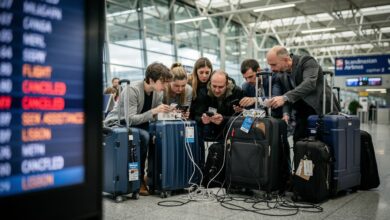
The pattern mirrors a nationwide trend. Federal data shows a 61% surge in near mid-air collisions since 2019, driven primarily by chronic controller shortages and fatigue. The FAA remains approximately 3,500 certified controllers short of its own staffing targets as of early 2026 — the U.S. currently has roughly 25% fewer controllers than it did in 1981, despite managing three times more traffic.
Controllers at understaffed facilities frequently work six-day weeks and 10-hour shifts. Experts point to fatigue and high-stress environments as the primary drivers behind the increase in separation violations.
Nashville International had recently experienced “ATC Zero” events — temporary tower closures due to lack of available controllers — and significant delays in the months preceding this incident.
What to do
The FAA investigation is underway, with no immediate procedural changes affecting BNA departures.
- Monitor FAA updates: Check faa.gov/newsroom and southwest.com/status for any procedural delays or runway separation changes at Nashville International.
- Review flight tracks: Use flightradar24.com to search WN-507 or WN-1152 tail numbers for real-time BNA departure patterns if you have upcoming flights.
- Understand TCAS priority: If you hear “TCAS RA” announcements during flight, pilots are following collision avoidance system commands that override ATC instructions — this is standard procedure.
- File reports if affected: Passengers on either flight can submit safety concerns to the FAA’s Aviation Safety Reporting System at asrs.arc.nasa.gov.
Watch: FAA preliminary report expected by May 15, 2026 — if runway separation procedures are tightened at BNA, expect 10–15 minute departure delays during peak hours.
What is TCAS and why did it override air traffic control?
Traffic Collision Avoidance System is an onboard safety system that detects nearby aircraft and issues resolution advisories directly to pilots. When TCAS and ATC instructions conflict, pilots are trained to follow TCAS — it communicates between aircraft to ensure one climbs while the other descends, preventing collision. ATC is notified immediately when pilots deviate for TCAS.
Will this incident affect my Southwest flight from Nashville?
No immediate flight disruptions are expected. The FAA investigation focuses on controller procedures, not runway closures. Monitor southwest.com/flight-status for real-time updates. If the FAA mandates procedural changes, you may see 5–20 minute departure delays during peak hours starting mid-May 2026.
Can I get compensation if my flight was delayed due to this investigation?
No. US DOT rules classify ATC errors as “extraordinary circumstances” that exempt airlines from compensation under 14 CFR Part 259. You qualify for refunds or rebooking only if your flight is canceled. File claims at transportation.gov/airconsumer if cancellations occur.
How common are near mid-air collisions in the US?
Federal data shows a 61% increase in near mid-air collisions since 2019, primarily driven by controller shortages and fatigue. The FAA is approximately 3,500 controllers short of staffing targets as of early 2026. While TCAS and pilot training prevent most incidents from becoming accidents, the trend indicates systemic stress in the ATC system.