Middle East airspace closures push Europe-Asia airfares to record highs since February 28

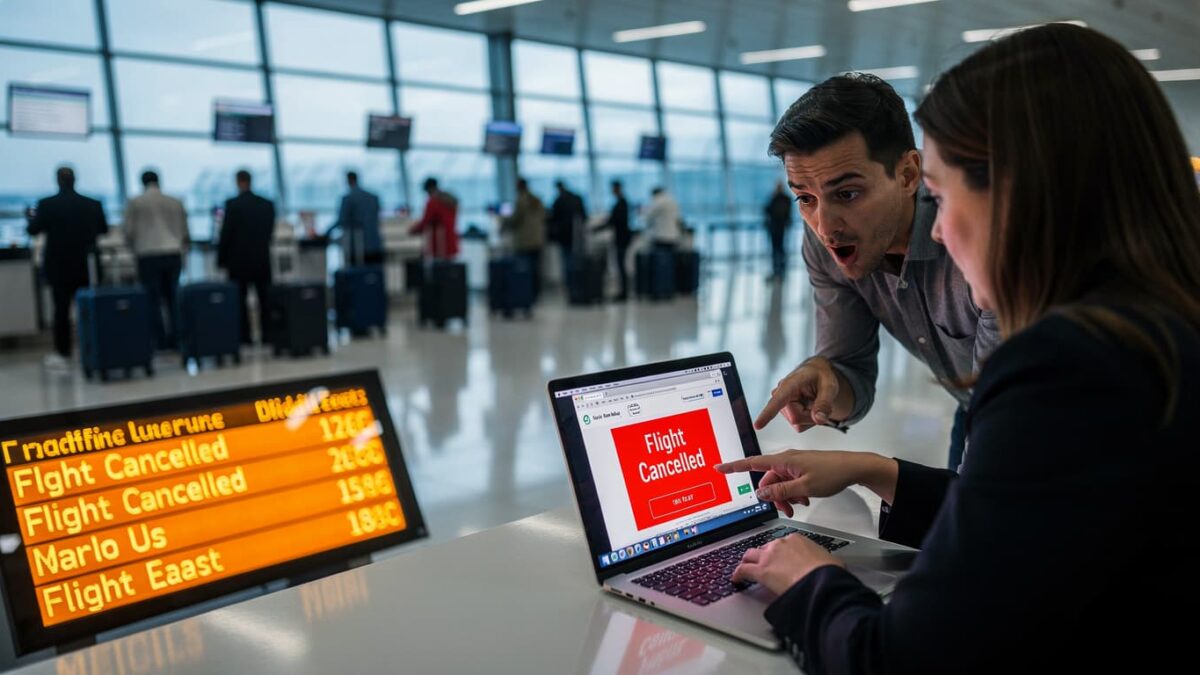
Airfares on Europe-Asia routes have surged to record highs since February 28, 2026, when Middle East airspace closures forced airlines into 2-4 hour detours. One-way economy tickets between London and Mumbai now reach ₹2.9 lakh ($3,450), while business class fares hit ₹9 lakh ($10,700). Over 3,400 flights were canceled on March 1 alone, with Gulf hubs handling 90,000 daily transit passengers facing severe disruptions. Indian carriers alone lose ₹150-200 crore ($18-24 million) daily from rerouting costs and fuel price spikes.
Closures stem from US/Israel strikes on Iran and retaliatory actions restricting airspace over Iran, Iraq, Israel, and Jordan. This analysis covers why fares tripled, which routes face the worst pricing, how long detours last, and booking strategies to minimize damage.
Middle East airspace closures that began February 28 have triggered the sharpest fare spike in a decade for travelers between Europe and Asia. Airlines avoiding Iranian and Israeli airspace now fly 2-4 hour detours, burning tens of thousands of dollars in extra fuel per widebody flight. The costs land directly on passengers.
Economy tickets that normally cost $800-1,200 now approach $3,500 on high-demand routes. Business class fares exceed $10,000. Gulf hubs that process 90,000 daily transit passengers — Dubai, Doha, Abu Dhabi — slowed operations through early March, with Emirates suspending Dubai flights until at least March 2 afternoon and Qatar Airways reporting Doha closures until March 3 morning.
The closures affect roughly 1 million travelers daily across all routes touching the region. For US, Canadian, European, and Australasian passengers connecting through Gulf hubs or flying nonstop over the Middle East corridor, this means higher fares, longer flights, or both.
Why fares tripled in 72 hours
The Middle East functions as aviation’s central highway for Europe-Asia traffic. Russian airspace bans from the Ukraine war already forced northern detours. Closing the southern corridor creates an acute capacity crunch with no easy workarounds.
Reroutes add 2-4 hours per flight. A widebody burning 3,000 gallons per hour at $3 per gallon pays $18,000-36,000 extra in fuel alone. Some aircraft lack range for the extended route and require technical stops in Larnaca or Athens for refueling, adding $15,000-25,000 in landing fees and ground handling.
Aviation Turbine Fuel accounts for 40% of airline operating costs. When crude oil prices spike during Middle Eastern instability — as they did in late February — and flight times extend simultaneously, the cost structure collapses. Indian carriers lose ₹150-200 crore daily from this double impact. Those losses flow directly into ticket pricing within 24-48 hours.
Over 3,400 flights were canceled on March 1 as airlines scrambled to redesign networks. When capacity drops 15-20% overnight and demand holds steady, fares surge to equilibrium levels that clear the market — in this case, 2-3 times normal pricing.
The 12-day precedent
A prior US/Israel-Iran clash in early 2025 lasted 12 days before airspace reopened. Analysts warn that if the current closures extend beyond four weeks, the effects become “severe and structural” rather than temporary. The February 2026 escalation shows no clear resolution timeline as of March 5.
Which routes face the worst pricing
Europe-India routes see the sharpest increases. London-Mumbai economy fares reached ₹2.9 lakh ($3,450) in early March, up from typical ₹60,000-80,000 ($720-960). Business class on the same route hit ₹9 lakh ($10,700) on European carriers.
Europe-Southeast Asia and Europe-Australia routes via Gulf hubs face similar pressure. Nonstop flights that avoid the Middle East entirely — like Lufthansa’s Frankfurt-Singapore over Central Asia or Turkish Airlines’ Istanbul-Bangkok — now command premiums as travelers seek alternatives.
Southern routes over Saudi Arabia remain open but lack sufficient capacity to absorb displaced traffic. Private charter demand surged, with brokers reporting 2-3x normal pricing due to scarcity and elevated insurance costs for Middle East operations.
What to do if you must fly Europe-Asia soon
- Check southern alternatives: Compare fares on Lufthansa, Turkish Airlines, or routes via Saudi Arabia using Google Flights or Kayak. Filter by “fewest stops” to avoid Gulf hubs entirely.
- Book flexible tickets: Refundable or changeable fares cost 15-25% more but protect against further disruptions if closures extend beyond March.
- Monitor real-time cancellations: Use FlightAware or airline apps (Emirates, Qatar Airways, Etihad) to track operational status before airport departure.
- Consider delay: If travel is not urgent, waiting 2-3 weeks may yield lower fares if airspace reopens. Air Traveler Club’s fare tracking occasionally flags temporary drops when airlines release distressed inventory.
How long will these high fares last?
Fares remain elevated until airspace reopens or airlines add enough capacity on alternate routes to meet demand. The 2025 precedent suggests 12 days minimum, but analysts warn 4+ weeks creates structural pricing changes that persist longer.
Are Gulf hub connections still operating?
Yes, but at reduced capacity. Emirates, Qatar Airways, and Etihad resumed limited operations after March 2-3, but flight schedules remain fluid. Check airline websites daily for cancellations and expect longer connection times due to congestion.
Will travel insurance cover fare differences if I rebook?
Standard policies rarely cover fare increases from geopolitical events unless you purchased “cancel for any reason” coverage before the crisis began. Check your policy’s force majeure exclusions — most treat airspace closures as uninsured risks.
Should I avoid Gulf hubs entirely right now?
If you have nonstop or northern routing options at comparable prices, yes. Gulf hubs face ongoing operational uncertainty, and missed connections due to delays can strand you for 24-48 hours when rebooking capacity is tight.