Marshall Islands: Monitor health alerts for influenza-like illness — remains elevated in February 2026

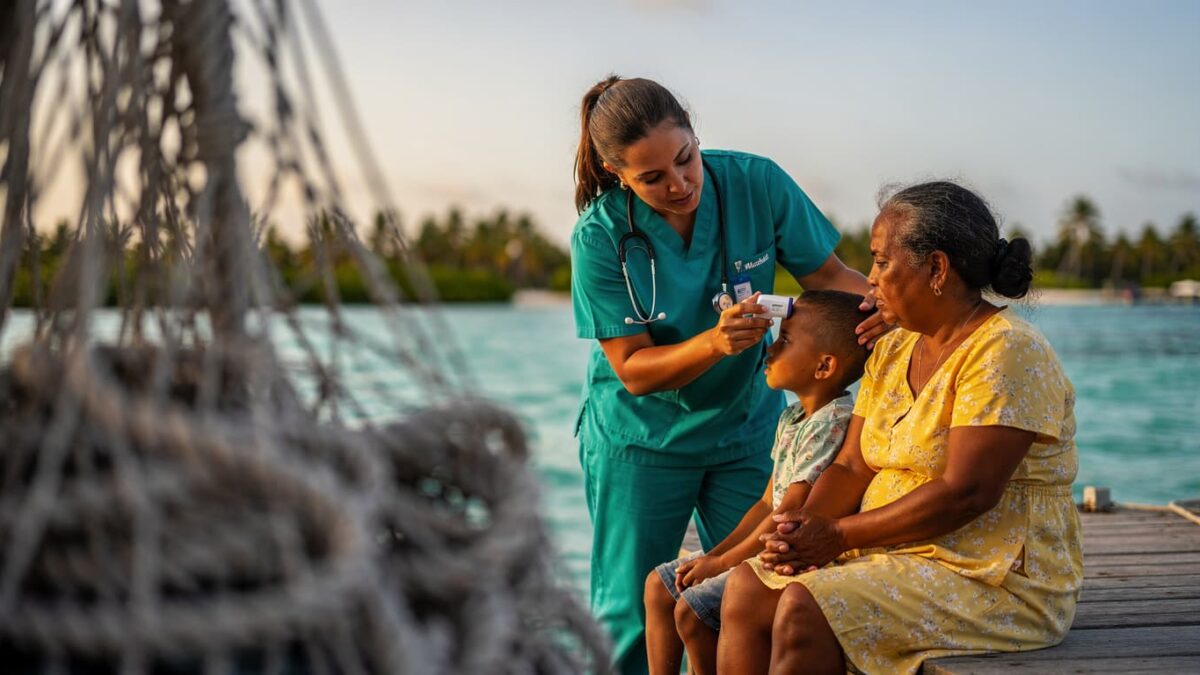
Influenza-like illness activity in the Marshall Islands remains elevated in outer-island communities including Ebeye and Wotje as of February 14, 2026, with 15-20% of outpatient clinic visits attributed to ILI despite national decline. Dengue fever cases total 20 across Majuro and remote atolls through February 20, with year-round mosquito transmission risk.
No travel restrictions are in effect, but visitors to atolls beyond Majuro face heightened respiratory and vector-borne disease exposure. This article covers hygiene protocols, vaccination requirements, and on-arrival health screening procedures for travelers from North America, Europe, and Australasia.
The Pacific Public Health Surveillance Network confirmed on February 14, 2026, that influenza-like illness transmission persists in Marshall Islands outer communities despite improving national trends. Travelers planning atoll visits within the next two months should verify current conditions through the Republic of Marshall Islands Ministry of Health and Social Services upon arrival in Majuro.
Outer-island clinics in Ebeye and Wotje report 15-20% of patient visits involve ILI symptoms. Dengue fever adds complexity, with 12 confirmed cases in Majuro and 8 in remote atolls through February 20. The Pan American Health Organization notes regional influenza A(H3N2) dominance at 54.6% of positive tests, with vaccines showing 30-40% efficacy against adult hospitalization.
Visitors to Marshall Islands from Australasia, North America, and Europe should prioritize respiratory hygiene and mosquito protection. No flight cancellations affect Nauru Airlines or Air Marshall Islands routes from Brisbane, Honolulu, or Guam.
Why outer atolls face persistent transmission
Limited healthcare access and communal housing in outer communities amplify ILI spread. The Marshall Islands participated in a World Health Organization One Health meeting from February 3-5, 2026, addressing surveillance gaps in remote atolls where animal-human transmission risks intersect with overcrowding.
Majuro International Airport processes flights from Nadi and Honolulu, creating imported case pathways. Tropical humidity averaging 80% in February and temperatures near 28°C sustain aerosol transmission. Vaccination coverage remains below 20% per PAHO data, while co-circulating respiratory syncytial virus and dengue weaken population immunity.
Leptospirosis cases rose 25% year-to-date across Pacific islands following rainfall, adding zoonotic risk in flood-prone atolls. The PAHO epidemiological alert confirms simultaneous circulation of seasonal influenza and dengue complicates clinical diagnosis in resource-limited settings.
Climate and disease convergence
The February 2026 WHO Pacific meeting highlighted how rising sea levels and storm surges force livestock closer to human settlements in Marshall Islands atolls. Flooded areas create breeding grounds for Aedes mosquitoes carrying dengue while animal waste contaminates water sources with leptospirosis bacteria. This convergence explains why respiratory and vector-borne illnesses spike simultaneously in outer communities.
Regional influenza patterns and vaccine effectiveness
The Pacific region mirrors global trends, with influenza A(H3N2) accounting for over half of laboratory-confirmed cases. Influenza B strains show rising prevalence, though the 2026 Northern Hemisphere vaccine formula targets both components. Adults receiving vaccination demonstrate 30-40% reduced hospitalization risk, per PAHO surveillance data through mid-February.
Marshall Islands health authorities emphasize masking in clinics and isolation for symptomatic cases as of February 26, 2026. No entry testing requirements exist, but Majuro airport health desks screen arriving passengers for fever and respiratory symptoms. Travelers showing signs receive referral to local clinics for assessment.
Dengue transmission occurs year-round due to Aedes aegypti and Aedes albopictus mosquitoes thriving in tropical conditions. The 20 confirmed cases through February 20 represent localized clusters rather than widespread outbreak, but visitors to outer atolls face higher exposure than those remaining in Majuro.
What travelers should do
Before departure: Consult a travel medicine clinic for the 2026 Northern Hemisphere influenza vaccine if not recently vaccinated. Travelers aged 65+, pregnant women, and those with chronic conditions should request a Tamiflu prescription for emergency use. United Airlines clinics at Honolulu and Guam airports offer pre-flight vaccination services.
Upon arrival in Majuro: Check the RMHSS dashboard or airport health desk for current outer-island advisories. Download the Pacific Public Health Surveillance Network app for real-time alerts. Pack N95 masks, hand sanitizer, and DEET-based mosquito repellent rated 30% or higher.
For outer atoll visits: Delay travel if experiencing fever, cough, or respiratory symptoms. Air Marshall Islands operates inter-island flights to Kwajalein and other atolls — wear long sleeves and apply repellent during dusk hours when dengue mosquitoes are most active. Report any fever to local clinics within 24 hours for assessment.
Medical evacuation coverage: Verify travel insurance policies cover medevac from outer islands. Most major insurers including Allianz and World Nomads provide hospitalization coverage, but pandemic exclusions may apply. Confirm PCR testing clauses for remote locations where laboratory capacity is limited.
Are flights to Marshall Islands disrupted by current ILI activity?
No cancellations affect Nauru Airlines routes from Brisbane or Air Marshall Islands services from Honolulu and Guam as of February 26, 2026. Majuro International Airport health desks screen arrivals for symptoms but do not restrict entry. Inter-island flights to outer atolls operate on normal schedules.
What is the dengue risk compared to influenza-like illness for remote atoll travel?
Dengue poses higher risk in outer atolls with 8 confirmed cases versus localized ILI clusters as of February 20, 2026. Dengue is mosquito-borne with no vaccine available, requiring DEET repellent and long sleeves. Avoid standing water at dusk when Aedes mosquitoes feed. ILI spreads through respiratory droplets and requires masking in crowded spaces.
Does travel insurance cover medical evacuation for ILI from outer islands?
Most comprehensive policies cover medevac from Majuro if hospitalized, with costs reaching $50,000 for air ambulance to Honolulu. Pandemic exclusions may apply depending on WHO classification. Confirm your policy includes PCR testing coverage for outer islands where laboratory services are limited. World Nomads and Allianz offer Pacific-specific plans with explicit medevac terms.
How does Marshall Islands ILI surveillance compare to other Pacific destinations?
Marshall Islands participates in WHO Pacific surveillance networks but faces gaps in outer atoll reporting due to limited clinic infrastructure. Fiji and Samoa maintain more robust real-time monitoring systems. Travelers to remote Marshall Islands atolls should expect delayed case reporting compared to major Pacific hubs. The February 2026 One Health meeting addressed these capacity constraints.
What vaccination is recommended before traveling to Marshall Islands?
The 2026 Northern Hemisphere influenza vaccine targeting A(H3N2) and B strains is recommended for all travelers. Hepatitis A and typhoid vaccines are standard for Pacific travel. No dengue vaccine is commercially available. Consult a travel clinic 4-6 weeks before departure for routine immunizations and malaria prophylaxis assessment, though malaria is not endemic in Marshall Islands.