

Asia-Pacific hubs hit by 3,600 flight delays, 350 cancellations, stranding thousands

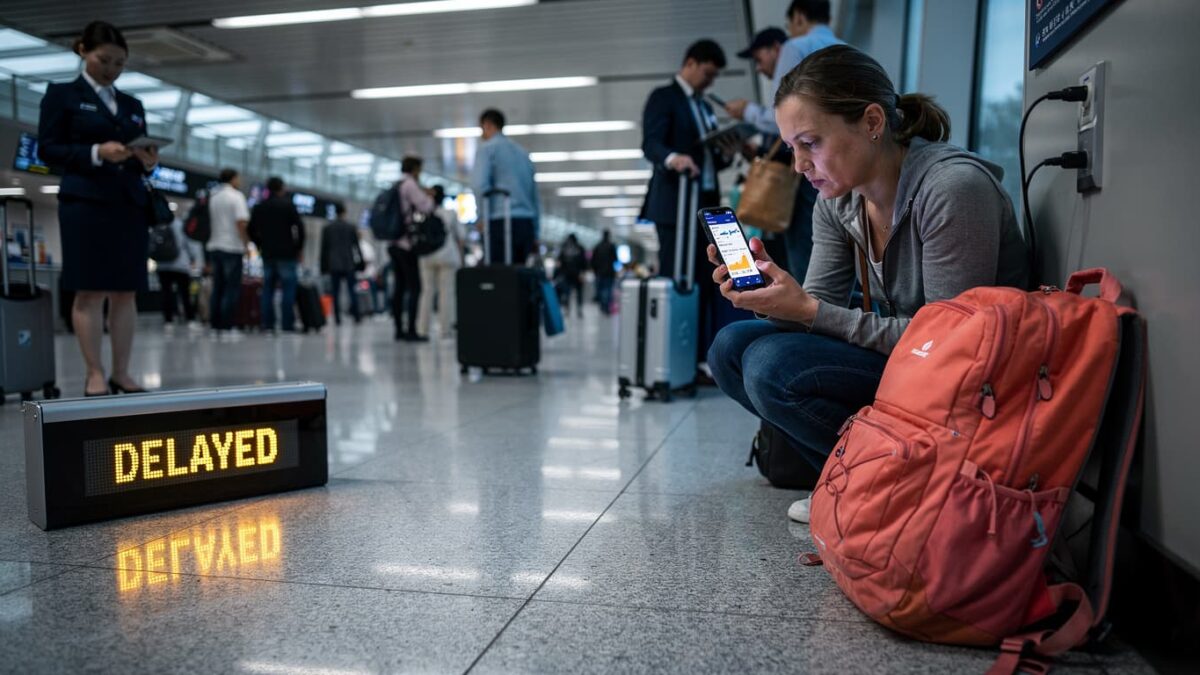
On April 5, 2026, over 3,600 flight delays and 350 cancellations struck major Asia-Pacific hubs including Tokyo Haneda, Seoul Incheon, Singapore Changi, Delhi, Shenzhen, and Guangzhou. Travelers with bookings through these airports face immediate rebooking needs, with cascading disruptions affecting long-haul connections to North America, Europe, and Australasia through April 8.
No single cause has been identified — the disruptions follow a pattern of regional operational strain seen in late March. Recovery typically takes 24–72 hours, but passengers currently in transit or holding tickets for the next 48 hours must act now.
Thousands of travelers across Asia-Pacific woke to cancelled flights and multi-hour delays on April 5 as operational strain paralyzed key hubs from Tokyo to Delhi. Shenzhen Bao’an alone logged over 50 cancellations and nearly 600 delays, while Guangzhou Baiyun saw dozens of flights scrapped and hundreds pushed back hours.
The disruption spread across 20+ airports. Tokyo Haneda and New Chitose in Japan recorded several cancellations and hundreds of delays. Seoul Incheon tallied over 200 delays. Singapore Changi reported more than 150 delays with minimal cancellations. Delhi Indira Gandhi International saw over 200 delays and scattered cancellations, with additional strain at Bengaluru, Chennai, Shanghai Pudong, Shanghai Hongqiao, Beijing Capital, and Beijing Daxing.
Affected carriers include Korean Air, Japan Airlines, Singapore Airlines, and China Eastern. Short-haul delays compressed turnaround times, cascading into long-haul connection failures — a passenger missing a 90-minute Incheon connection from Busan loses their seat on the Seoul–Los Angeles flight, triggering a rebooking scramble.
No weather event, air traffic control failure, or labor action has been cited. The pattern mirrors late March 2026, when over 5,000 delays hit the region in a single day, resolving within 48–72 hours.
What caused the cascade across 20 airports
Operational strain at Asia-Pacific hubs — late aircraft arrivals, crew scheduling conflicts, congested gate slots — triggered a domino effect on April 5. Airlines prioritize keeping flights operating over outright cancellations to preserve network integrity, but this strategy strands connecting passengers when delays exceed buffer times.
A Singapore Airlines A350 delayed 3 hours departing Changi means 200+ passengers miss their onward connections in Singapore — some bound for London, others for Sydney. The airline must rebook them, often onto flights 12–24 hours later, creating hotel and meal obligations. Multiply this across dozens of hubs and the system buckles.
Flight tracking data from The Traveler’s April 5 analysis shows Shenzhen and Guangzhou bore the heaviest load, likely due to China’s dense domestic schedule compressing turnaround windows. Tokyo Haneda’s delays suggest similar pressure on Japan’s busiest airport, where slot constraints leave no margin for recovery.
| Airport | Delays | Cancellations | Key carriers affected |
|---|---|---|---|
| Shenzhen Bao’an | ~600 | 50+ | China Eastern, Shenzhen Airlines |
| Guangzhou Baiyun | Hundreds | Dozens | China Southern, China Eastern |
| Tokyo Haneda | Hundreds | Several | Japan Airlines, ANA |
| Seoul Incheon | 200+ | Few | Korean Air, Asiana |
| Singapore Changi | 150+ | Few | Singapore Airlines, Scoot |
| Delhi IGI | 200+ | Some | IndiGo, Air India |
The flight route network connecting North America, Europe, and Australasia to Asia relies heavily on these hubs — when they falter, the ripple reaches intercontinental travelers within hours.
How this compares to late March chaos
Late March 2026 saw over 5,000 delays and hundreds of cancellations across Asia-Pacific and Gulf hubs in a single day. The pattern was identical: congested schedules at Tokyo, Beijing, and Jakarta compressed turnaround windows, leading to multi-day recovery periods and rebooking surges.
That event resolved within 48–72 hours without long-term route changes or capacity reductions. Airlines issued fare waivers, absorbed hotel costs, and cleared the backlog by April 1. The April 5 disruption follows the same playbook — operational strain, not structural failure.
The difference: April 5 hit more hubs simultaneously. Shenzhen, Guangzhou, Tokyo, Seoul, Singapore, and Delhi all logged significant delays on the same day, suggesting region-wide schedule pressure rather than isolated incidents. This makes recovery harder — airlines can’t easily reroute passengers through unaffected hubs when most hubs are affected.
What to do if your flight is affected
The disruption window extends through April 8 — airlines need 72 hours to clear backlogs and reposition aircraft.
- Check airline waivers immediately: Japan Airlines, Korean Air, and Singapore Airlines typically issue fare change waivers within 12 hours of major disruptions. Visit the airline’s official site or app for waiver codes and rebooking instructions.
- Call the hotline, don’t wait for email: Automated rebooking systems prioritize high-tier frequent flyers. A 20-minute hold gets you a human agent who can access more inventory than the app shows.
- Know your rights: EU/UK departures qualify for EU261/UK261 compensation (up to €600) if delays exceed 3 hours and the cause is airline operational failure. US/Canada travelers get DOT-mandated refunds for cancellations or delays over 3 hours. Australia/New Zealand travelers are entitled to refunds or care for delays over 2 hours under consumer law.
- Document everything: Screenshot delay notifications, save boarding passes, photograph meal vouchers. Airlines process claims faster with evidence.
- Avoid rebooking through third-party sites: If you booked via an OTA, the airline may refuse to rebook you directly. Call the OTA first, but expect longer hold times.
Watch: Daily flight tracking updates from Japan’s MLIT or China’s CAAC — if delays drop below 1,000 region-wide by April 8, expect full network recovery. If delays persist, anticipate extended waivers and 24–48 hour connection risks through mid-April.
Will my airline automatically rebook me if my connection is missed?
Most full-service carriers (Singapore Airlines, Japan Airlines, Korean Air) rebook automatically if both flights are on the same ticket. Budget carriers and separate tickets require manual rebooking — you’re responsible for contacting the airline and may lose the second ticket entirely.
Can I claim compensation if my flight was delayed but not cancelled?
Yes, if you departed from the EU/UK and the delay exceeded 3 hours at final destination. EU261/UK261 applies regardless of cancellation status. US/Canada travelers get refunds only for cancellations or delays over 3 hours where no rebooking is offered. Australia/New Zealand travelers can claim refunds or care for delays over 2 hours under consumer protection law.
Should I buy travel insurance for future Asia trips after this disruption?
Yes, if you’re booking non-refundable fares or connecting through multiple hubs. Policies covering “trip interruption” reimburse hotel, meals, and rebooking fees when delays exceed 6–12 hours. Read the fine print — some exclude “operational delays” and only cover weather or strikes.
How long does it typically take for Asia-Pacific hubs to recover from this type of disruption?
48–72 hours is standard. Airlines prioritize clearing backlogs by repositioning aircraft and crew, but full schedule normalization requires 3 days. The late March 2026 event followed this timeline, with operations returning to normal by April 1.