AirAsia X raises fares 40%, cuts 10% capacity as jet fuel doubles to $200

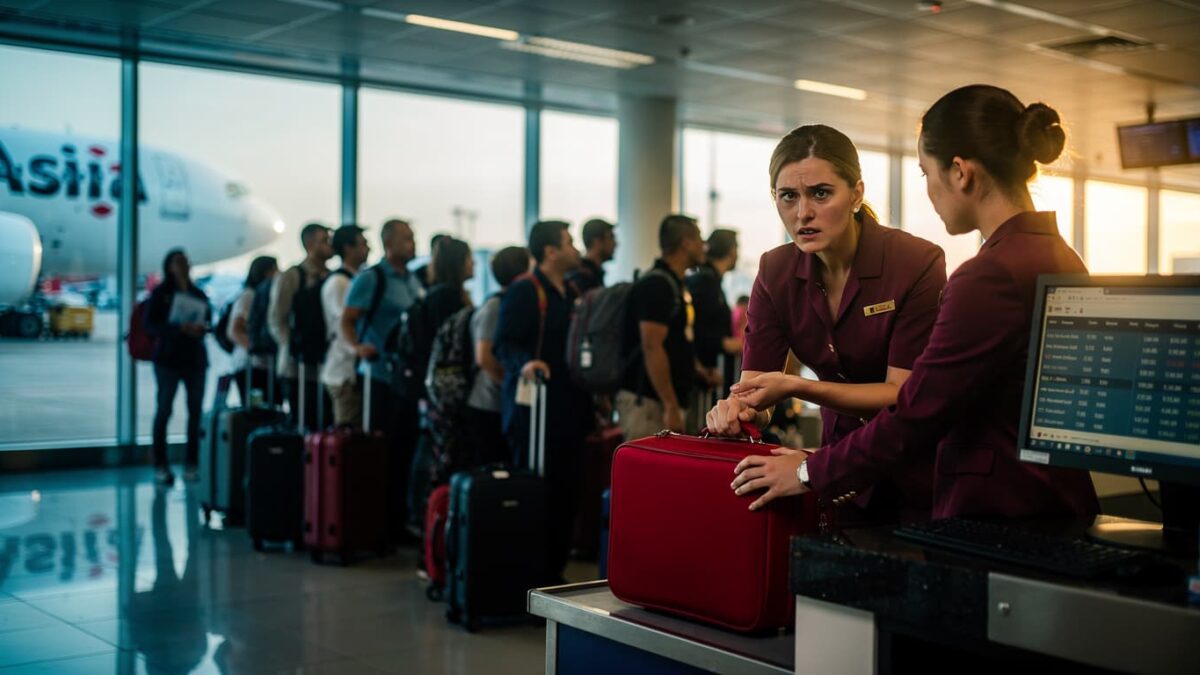
AirAsia X raised ticket prices 31–40% and cut 10% of capacity on April 6, 2026, as jet fuel costs doubled to $200 per barrel amid Iran war disruptions. The Malaysia-based long-haul budget carrier added a 20% fuel surcharge across its network, hitting routes from Australia and New Zealand to Kuala Lumpur hardest. Travelers with existing bookings face potential flight changes starting immediately, while new bookings see fares jump by roughly $100–150 roundtrip on Sydney–Kuala Lumpur routes.
The airline explicitly denied canceling flights but confirmed cutting unprofitable routes temporarily. Regional jet fuel shortages from Vietnam to the Philippines compound the crisis, with low-cost carriers absorbing the sharpest impact.
AirAsia X announced the fare hikes and capacity reductions in a March 30 statement, citing fuel costs that surged from $90 to $200 per barrel in three weeks as Middle East tensions escalated. The airline described the measures as “carefully calibrated” and temporary, targeting what it called exploratory routes with weak load factors.
For Australian and New Zealand travelers, this means immediate disruption to the region’s most affordable connection to Southeast Asia. AirAsia X operates the only true budget long-haul option from Sydney, Melbourne, and Perth to Kuala Lumpur — a hub connecting 80+ destinations across Asia. The 10% capacity cut translates to roughly one in ten flights being pulled from the schedule, though the airline has not disclosed which specific routes or dates are affected.
The fuel surcharge applies to all tickets purchased after April 6, including those for travel months ahead. Existing bookings are protected from the surcharge but remain vulnerable to schedule changes if the traveler’s flight falls within the 10% capacity reduction.
How fuel costs doubled in three weeks
Jet fuel prices tracked crude oil’s spike following Iran’s closure of the Strait of Hormuz to tanker traffic on March 15. The waterway carries 21% of global petroleum, and its blockade triggered immediate shortages across Asia-Pacific refineries. Regional fuel distributors reported supply gaps from Vietnam to Malaysia by late March, with spot prices in Singapore — the region’s pricing benchmark — hitting $205 per barrel on April 3.
Low-cost carriers absorb fuel shocks harder than legacy airlines because they operate on thinner margins and lack fuel hedging contracts. AirAsia X runs an all-Airbus A330 fleet with fuel representing 40–45% of operating costs, compared to 30–35% for full-service carriers with more diversified revenue streams.
| Component | Before | After | Impact |
|---|---|---|---|
| Base fare (SYD–KUL RT) | ~AUD 400 | ~AUD 560 | +40% |
| Fuel surcharge | Included | +20% of base | +AUD 112 |
| Jet fuel cost (per barrel) | $90 | $200 | +122% |
| Network capacity | 100% | 90% | –10% |
What the 2008 fuel crisis reveals about recovery timelines
The last comparable shock hit in 2008, when Iraq tensions pushed fuel to $140 per barrel. AirAsia responded by raising surcharges 25% and cutting 15% of long-haul capacity, including Australia–Kuala Lumpur frequencies. The crisis resolved after six months as prices fell to $40 per barrel, allowing the airline to restore its full schedule without bankruptcy or fleet reductions.
Current prices exceed that 2008 peak by 43%, signaling higher risk to the low-cost model. The key difference: 2008 involved supply fears, not actual blockades. The Strait of Hormuz remains closed as of April 6, with no diplomatic breakthrough in sight. If the closure extends beyond 90 days, analysts expect permanent route suspensions and potential fleet groundings across Southeast Asian budget carriers.
AirAsia X optimized its fleet for maintenance during the cuts but has not announced staff reductions or fundraising plans. The airline reduced pre-booked baggage fees to partially offset base fare hikes — a move that signals confidence in sustained demand despite higher prices. Budget airline pricing strategies typically absorb ancillary revenue losses only when load factors remain above 80%.
Check your booking, then act
AirAsia X has not disclosed which routes or dates fall within the 10% capacity cut — travelers must verify flight status individually.
- Existing bookings: Log into airasia.com/manage and check flight status daily through April 15. If your flight is canceled or rescheduled by more than 3 hours, request a full refund or rebooking via the app or +603-8777-6921 (Malaysia hotline, English available). Do this within 24 hours of notification to secure alternative seats before competitors fill.
- New bookings: Avoid AirAsia X routes to Kuala Lumpur until fuel prices stabilize below $150 per barrel. Use flight options from Australasia to Malaysia to compare Scoot, Jetstar, and Malaysia Airlines — all three are raising fares but offer more schedule certainty.
- Connecting itineraries: If your trip involves a Kuala Lumpur connection to Cambodia, Thailand, or Indonesia, ensure both legs are on a single booking. Separate tickets leave you unprotected if the first flight delays and you miss the connection — you lose the second ticket entirely and must clear Malaysian immigration to collect bags.
- Travel insurance: Standard policies do not cover fare increases on existing bookings. If you purchased “cancel for any reason” coverage before March 30, you can claim up to 75% of trip costs by canceling now.
Watch: AirAsia X is expected to file its Q2 capacity update by May 1. If cuts exceed 10%, expect route suspensions to Australia and New Zealand, forcing a rebooking surge that will exhaust competitor inventory.
Does the 40% fare increase apply to tickets I already bought?
No. The fare hike and 20% fuel surcharge apply only to tickets purchased on or after April 6, 2026. Existing bookings are protected from price increases, but your flight may still be canceled or rescheduled if it falls within the 10% capacity cut.
How do I know if my flight is part of the 10% capacity reduction?
AirAsia X has not published a list of affected routes or dates. Log into airasia.com/manage and check your booking status daily. If your flight is canceled or rescheduled by more than 3 hours, the airline will notify you via email and SMS — act within 24 hours to request a refund or rebooking before alternative seats fill.
Are other budget airlines to Asia raising fares too?
Yes. Scoot and Jetstar are both raising fares in response to fuel cost increases, though neither has announced capacity cuts as of April 6. Expect fares on Sydney–Singapore and Melbourne–Kuala Lumpur routes to rise 15–25% over the next two weeks as AirAsia X reduces competition.
Can I get compensation if AirAsia X cancels my flight?
It depends on your departure point. EU/UK departures qualify for €250–600 under EU261/UK261 if the cancellation is the airline’s fault — fuel shortages may not qualify as force majeure unless the airline proves unavailability. Australian departures are covered by the Australian Consumer Law, which mandates a refund or remedy if the service fails, but does not specify compensation amounts. US/Canada departures receive refunds but no fixed compensation under DOT/APPR rules.