

Jet fuel prices double to $4.57 per gallon, adding $100–$800 to long-haul tickets

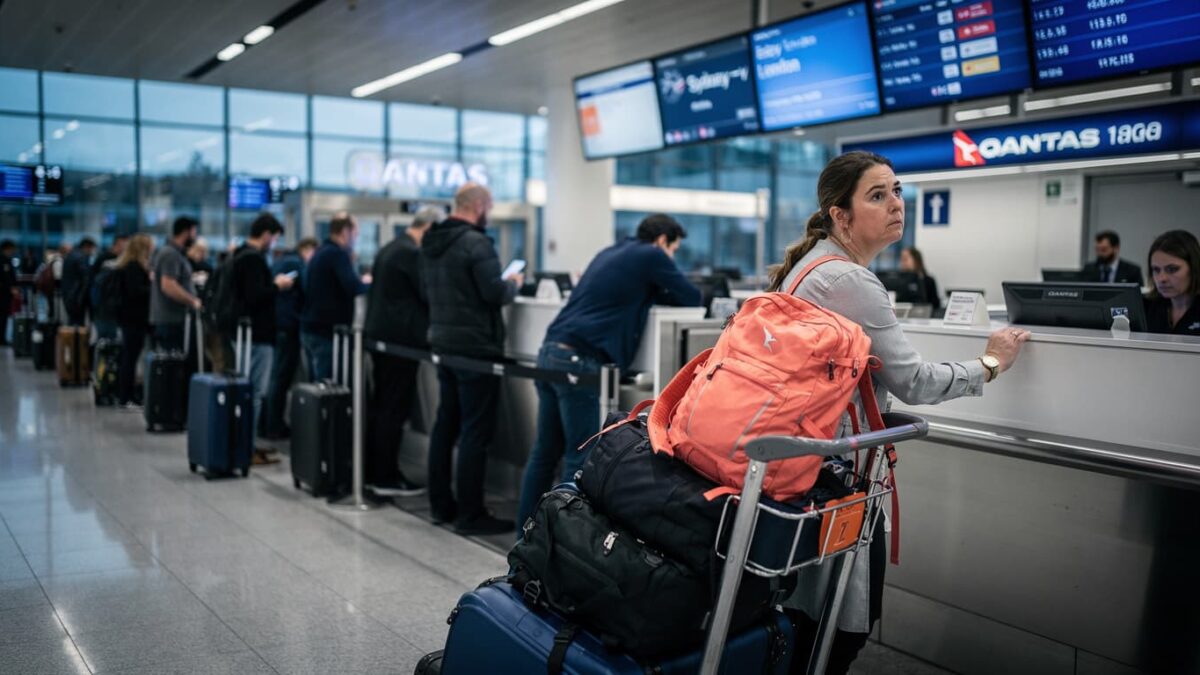
Jet fuel prices in the United States doubled to $4.57 per gallon by March 27, 2026 following disruptions to Middle East fuel exports, which supply 15–17% of global aviation fuel. Airlines including United, Cathay Pacific, Qantas, and British Airways have imposed surcharges of $100–$800 per ticket on long-haul routes to Asia-Pacific, with warnings that physical fuel supplies could run dry within weeks if the Strait of Hormuz remains closed.
Travelers with existing bookings must check for surcharges added this week — Cathay Pacific doubled its fuel levy to $800 on Sydney–London routes, while United Airlines announced 5% capacity cuts and route suspensions to Israel and Dubai. Economy fares from Los Angeles to Hong Kong have risen 15% to $1,400, and the increases are expected to persist for 1–3 months unless geopolitical tensions ease.
A sharp escalation in Middle East conflict has severed a critical artery of the global aviation fuel supply, triggering the steepest jet fuel price spike in seven years and forcing airlines to pass costs directly to passengers through immediate fare hikes and capacity reductions.
U.S. jet fuel prices jumped from $2.17 to $4.57 per gallon in under three weeks, with fuel now representing 30% of airline operating costs — up from 23% at the start of the year.
United Airlines confirmed it will cut 5% of flights and suspend service to Israel and Dubai. Delta Air Lines and American Airlines each face $400 million in added first-quarter costs, which executives said will be passed to ticket prices within days. Cathay Pacific doubled its fuel surcharge this week, adding $800 to Sydney–London economy tickets.
The disruption stems from the closure of the Strait of Hormuz, through which 15–17% of global jet fuel flows. Airlines have warned that physical fuel shortages — not just price increases — could materialize within weeks if the waterway remains blocked.
How the fuel crisis is hitting Asia routes
Long-haul routes to Asia-Pacific are absorbing the steepest fare increases because they burn the most fuel per passenger. Economy roundtrips from Los Angeles to Hong Kong now average $1,400, up 15% from the prior week. London to Singapore fares have risen to €1,200, with surcharges adding another €150. Sydney to Tokyo routes operated by Qantas now carry a fuel levy that pushed fares to AUD 1,500.
The Middle East’s role as a refining hub means disruptions there ripple globally. Airlines have warned U.S. regulators that inventories could deplete within weeks if alternative supply routes are not secured. Vietnam Airlines cited availability risks beyond price hikes, signaling that some carriers may face operational constraints even if they can afford higher fuel costs.
Air Transat, British Airways, and Qantas all added surcharges starting this week. United operates 20 weekly flights from Los Angeles to Hong Kong using Boeing 777 aircraft and is part of the Star Alliance network cutting capacity by 5%. Cathay Pacific flies 14 weekly frequencies from New York JFK to Hong Kong and has doubled its fuel levy across all long-haul routes.
| Metric | Before | Current | Impact |
|---|---|---|---|
| U.S. jet fuel price | $2.17/gallon | $4.57/gallon | 110% increase |
| Fuel as % of costs | 23% | 30% | 7 percentage points |
| LAX–HKG economy RT | ~$1,220 | ~$1,400 | +15% |
| LHR–SIN economy RT | ~€1,050 | ~€1,200 + €150 surcharge | +29% |
| SYD–NRT economy RT | ~AUD 1,300 | ~AUD 1,500 | +15% |
What the 2019 precedent tells us
The last comparable fuel shock occurred in 2019 after tanker attacks in the Strait of Hormuz drove jet fuel prices up 20% within weeks. Airlines added $100–$200 surcharges on long-haul routes and cut 2–3% of capacity. Fares on Asia routes rose 10–15%, and prices normalized after two months once tensions eased. No full shortage materialized, but the episode demonstrated how quickly geopolitical risk translates to ticket prices.
The current crisis is more severe — prices have doubled rather than rising 20%, and airlines are warning of physical supply constraints, not just cost increases. Rising costs for Asia travel have compounded over the past year due to airspace closures, inflation, and now fuel disruptions.
What to do if you have a booking or are planning travel
Airlines are adding surcharges to existing bookings this week, and fares for new bookings are rising daily as fuel costs compound.
- Check your booking immediately — log into your airline account or call the carrier’s hotline to confirm whether a fuel surcharge has been applied. Cathay Pacific, Qantas, British Airways, and United have all updated fare rules in the past 72 hours.
- Review rebooking rights — EU departures may qualify for refunds under EU261/2004 if surcharges exceed 15% of the original fare. U.S. DOT rules mandate refunds for significant changes, which may include fuel levies above a certain threshold.
- Consider alternative carriers — Chinese airlines like Air China and China Eastern fly shorter northern routes with lower fuel burn and have not imposed surcharges at the same scale as Western carriers. Chinese carriers routinely price economy roundtrips €400+ lower than European airlines on the same routes.
- Book sooner if travel is essential — fares are rising daily, and low-cost inventory is vanishing. If you must travel to Asia in the next 60 days, locking in a fare now may save $200–$500 compared to waiting another week.
- Monitor capacity cuts — United has announced 5% flight reductions, and other carriers may follow. If your route is cut, airlines must offer rebooking or refunds, but alternative flights may be significantly more expensive.
Watch: OPEC+ meets in mid-April 2026 to decide on production increases. If output rises, jet fuel prices could stabilize within weeks, and airlines may roll back surcharges. If OPEC+ holds production steady, expect 10–20% fare hikes to persist through Q2.
Can airlines add fuel surcharges to tickets I already bought?
Yes. Most airline fare rules allow carriers to impose government-mandated taxes and fuel surcharges after purchase, even on confirmed bookings. However, if the surcharge exceeds 15% of your original fare, you may qualify for a refund under EU261 (for EU departures) or DOT rules (for U.S. departures). Check your airline’s terms and contact them within 24 hours if a surcharge appears.
How long will these fuel surcharges last?
Based on the 2019 precedent, fuel surcharges persisted for 1–3 months after geopolitical tensions eased and prices normalized. The current crisis is more severe, so surcharges could last longer if the Strait of Hormuz remains closed. Airlines’ Q1 earnings calls in mid-April will provide clearer guidance on whether surcharges will extend into Q2.
Are budget airlines affected by the fuel price spike?
Yes, and often more severely. Low-cost carriers operate on thinner margins and may absorb fuel cost increases by cutting routes or raising base fares rather than adding transparent surcharges. AirAsia, Scoot, and Jetstar have all reduced capacity on long-haul routes in the past week, and their lowest fare buckets have disappeared on many Asia routes.
Should I wait to book in case prices drop?
No. Fares are rising daily as airlines reprice inventory to reflect fuel costs. If you must travel to Asia in the next 60 days, booking now will likely save $200–$500 compared to waiting. The only scenario where waiting makes sense is if you can delay travel until after mid-April, when OPEC+ production decisions may stabilize prices.