

Middle East airspace closures add 2–4 hours to Asia flights, raising fares 10–20% through 2027

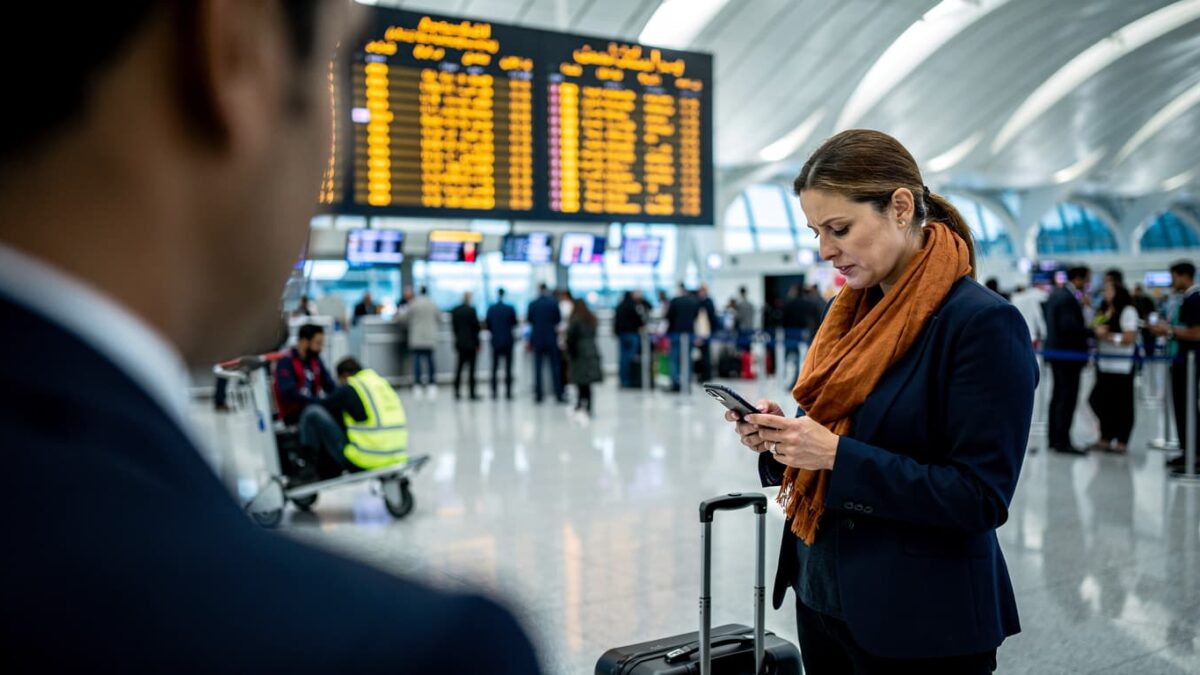
Middle East airspace closures are forcing airlines to reroute flights between Europe, North America, Australasia and Asia, adding 2–4 hours to journey times and raising fares by an estimated 10–20%. The Australian government has issued “Do Not Travel” advisories for 11 Middle East countries including UAE and Qatar, with airspace closures possible at short notice. Inbound arrivals to the Middle East could decline 11–27% in 2026 as the conflict reshapes global aviation networks.
Airlines are avoiding Iran, Iraq, Syria, Yemen, and parts of Jordan — the same airspace that once carried the fastest Europe-Asia routes. If summer 2026 schedule filings show no resumption of Middle East overflights, expect these reroutings and fare increases to become permanent features of Asia travel.
The Middle East conflict is no longer a regional aviation problem — it’s rewriting the map for anyone flying to Asia.
Widespread airspace closures across Iran, Iraq, Syria, Yemen, and parts of Jordan have forced carriers to abandon the direct paths that once made London-Bangkok or Frankfurt-Singapore efficient 11-hour journeys. Instead, flights now detour south around the Arabian Peninsula or north through Turkey, adding fuel burn, flight time, and cost to every ticket.
For travelers departing Europe, North America, or Australasia, this means longer connections, higher fares, and a shrinking list of viable hub options. The Australian government’s advisory covers 11 countries including the UAE and Qatar — eliminating Dubai and Doha as transit points for many passengers. United Airlines has already cut schedules by 5%, and industry analysts project Middle East inbound traffic could fall 27% year-over-year if the situation persists through 2026.
How the conflict is forcing airlines to reroute Asia flights
The closures mirror the 2022 Russia-Ukraine disruption, but with a critical difference: airlines can no longer use either the northern corridor over Russia or the southern path through the Middle East. European carriers like Lufthansa and Finnair, which already rerouted south after losing Russian airspace, now face a second wave of detours.
A typical London-Bangkok flight that once overflew Iran now routes via Istanbul or skirts the Arabian Peninsula entirely, extending the journey from 11 hours to 13–15 hours. North American flights to Asia that previously transited Dubai or Doha are shifting to Pacific routings or adding European layovers, each option carrying higher fuel costs that airlines pass directly to passengers.
The Australian government’s travel advisory warns of airspace closures “at short notice” and advises against transiting the UAE, Qatar, Bahrain, Kuwait, and six other Middle East countries. For Australasian travelers, this eliminates two of the three major Asia-Pacific hubs, leaving Singapore as the primary connection point for onward travel.
| Metric | Impact | Timeframe |
|---|---|---|
| Flight time increase | 2–4 hours | Immediate |
| Fare increase estimate | 10–20% | Q1–Q2 2026 |
| Middle East inbound decline | 11–27% YoY | Full year 2026 |
| Countries under Do Not Travel | 11 (AU advisory) | Current |
| Schedule cuts (United example) | 5% | Announced |
Why this disruption will outlast the headlines
Airspace closures triggered by military conflict qualify as extraordinary circumstances under EU261, UK261, and US DOT rules — meaning airlines are exempt from compensation obligations. Passengers receive rebooking or refunds at the carrier’s discretion, but no automatic payouts for delays or cancellations caused by geopolitical events.
The 2022 Russia-Ukraine precedent offers a timeline: Russian airspace closures forced Europe-Asia flights to reroute via southern paths, adding 2–4 hours to flights and raising fuel costs by 20–30% for carriers like Lufthansa and Finnair. Those disruptions lasted over a year, with only partial normalization by 2024. If the current Middle East escalation follows a similar pattern, travelers should expect these reroutings to persist well into 2027.
The cascading effects extend beyond the conflict zone. Fuel shortages linked to Middle East supply disruptions are causing delays worldwide, while capacity cuts on affected routes are driving up fares even on unaffected Asia services. A projected 11–27% decline in Middle East inbound traffic ripples through global demand patterns, as airlines redeploy aircraft to more profitable markets and reduce overall Asia seat inventory.
For context on how airspace restrictions reshape Asia routing, see our analysis of Russia airspace closures and their impact on Asia flights.
Protect your Asia booking in the next 48 hours
The airspace situation is fluid — airlines are adjusting routes weekly as conflict zones expand or contract. Here is the priority order for protecting your trip.
- Confirm your itinerary within 48 hours of departure. Check your airline’s app or website for schedule changes, gate updates, or rerouting notifications. Airspace closures can happen with 6–12 hours’ notice.
- Avoid Middle East transit hubs. Do not book new trips through Dubai, Doha, Abu Dhabi, Bahrain, or Kuwait. If you have an existing booking, request a reroute through Singapore, Istanbul, or a direct Pacific routing.
- Book direct flights where possible. United San Francisco–Tokyo, Qantas Sydney–Singapore, and Turkish Airlines Istanbul–Bangkok eliminate Middle East exposure entirely. Accept the higher base fare — it’s cheaper than a last-minute reroute.
- Allow 6+ hour connection buffers. If your itinerary requires a European layover, build in time for delays caused by airspace rerouting. Tight 90-minute connections are high-risk in the current environment.
- Monitor fuel surcharges. Airlines are passing rerouting costs to passengers via dynamic pricing. Fares booked today may be 10–20% lower than the same route in 30 days if the situation deteriorates further.
Watch: Summer 2026 schedule filings from European and North American carriers, expected in Q1 2026, will reveal whether airlines are planning for permanent Middle East avoidance or betting on a resolution. If filings show no Middle East overflights, these fare increases and longer routings become the new baseline.
Are airlines required to compensate passengers for delays caused by Middle East airspace closures?
No. Airspace closures triggered by military conflict qualify as extraordinary circumstances under EU261, UK261, and US DOT passenger rights rules, exempting airlines from compensation obligations. Carriers typically offer rebooking or refunds voluntarily, but no automatic payouts apply for delays or cancellations caused by geopolitical events outside the airline’s control.
Which Asia routes are most affected by the Middle East conflict?
Europe-Asia routes face the greatest impact, as carriers can no longer use the direct path over Iran, Iraq, and Syria — the same airspace already closed to most airlines due to Russia-Ukraine. Flights from London, Frankfurt, Paris, and Amsterdam to Bangkok, Singapore, Hong Kong, and Tokyo now detour south around the Arabian Peninsula or north through Istanbul, adding 2–4 hours. North America-Asia routes transiting Dubai or Doha are shifting to Pacific routings or European layovers.
How long will these flight disruptions last?
The 2022 Russia-Ukraine airspace closures offer a precedent: disruptions lasted over a year with only partial normalization by 2024. If the current Middle East escalation follows a similar pattern, expect reroutings and fare increases to persist through 2027. Summer 2026 airline schedule filings, due in Q1 2026, will signal whether carriers are planning for permanent Middle East avoidance or anticipating a resolution.
Is it safe to transit through Middle East hubs like Dubai or Doha right now?
The Australian government has issued “Do Not Travel” advisories for 11 Middle East countries including the UAE and Qatar, citing risks of airspace closures at short notice and potential security threats to transiting passengers. While Dubai and Doha airports remain operational, the advisory recommends avoiding these hubs entirely. Singapore and Istanbul are the primary alternative connection points for Asia travel.