

European hub chaos: 16 flights canceled, 2,000 delayed across LHR, CDG, ZRH

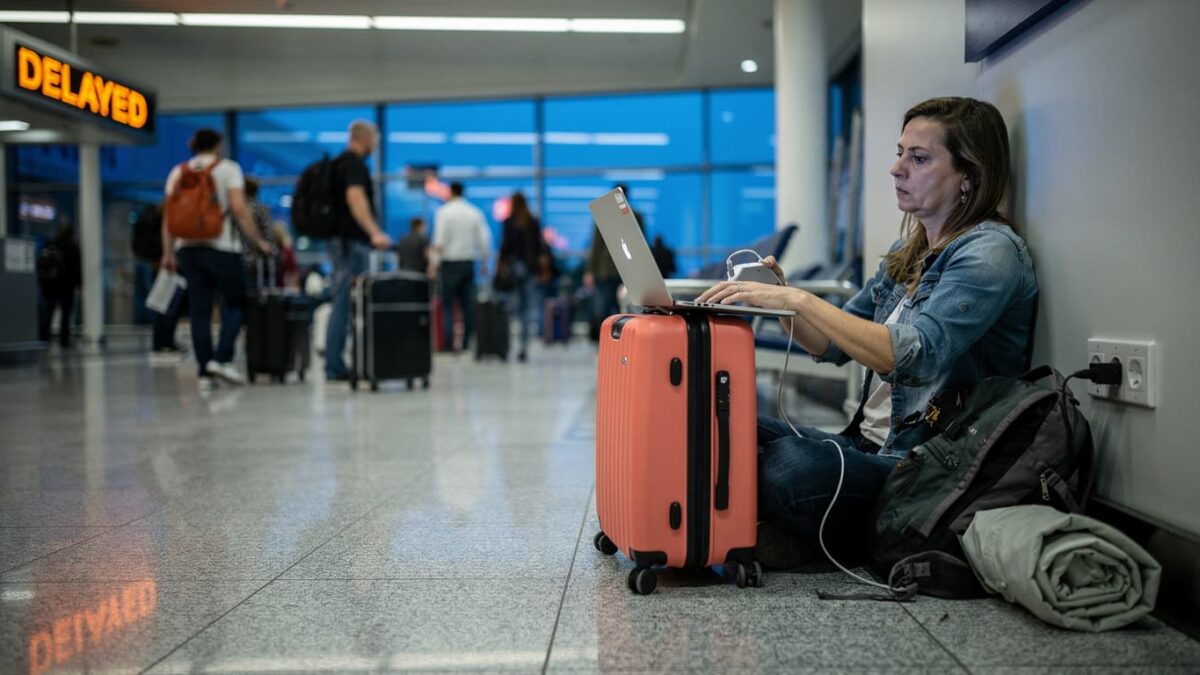
On March 29, 2026, Virgin Atlantic, British Airways, SAS, and Air France canceled 16 flights and delayed approximately 2,000 more across London Heathrow, Paris Charles de Gaulle, and Zurich, stranding passengers and disrupting Asia-Pacific connections. Crew positioning issues and aircraft availability triggered the cascade, with no single weather or air traffic control event cited as the cause.
The disruption hit transatlantic feeders hardest — travelers connecting through these hubs to Asia face 24–48 hour rebooking delays. EU261 compensation applies for airline-controlled cancellations.
Europe’s three busiest long-haul gateways ground to a crawl this morning as operational failures compounded across Virgin Atlantic, British Airways, SAS, and Air France.
16 cancellations and roughly 2,000 delays left passengers stranded at London Heathrow, Paris CDG, and Zurich — the primary European connection points for North American and Australasian travelers heading to Asia.
The disruption stems from crew and aircraft positioning failures, not weather or airspace restrictions. British Airways and Virgin Atlantic bore the brunt at London hubs, while Air France extended turnaround times at CDG and SAS struggled with Scandinavia-UK-Switzerland routing pressures.
Travelers with bookings through these hubs today or tomorrow should check flight status immediately and prepare to rebook or claim assistance under European passenger rights rules.
How the disruption unfolded across three hubs
Flight tracking data shows the cancellations concentrated at Heathrow and CDG, where British Airways and Air France operate the majority of long-haul Asia services. Virgin Atlantic canceled multiple transatlantic flights that feed Asia connections, while SAS faced knock-on delays from intra-European short-haul disruptions that left aircraft out of position for Zurich departures.
Airlines had recently adjusted schedules with tactical cancellations and extended block times to build resilience against air traffic restrictions, but March 29 exposed gaps in crew availability and aircraft utilization. The result: passengers missed connections, widebody aircraft sat idle for hours, and rebooking queues stretched into the evening.
This is not an isolated event. On February 24, 2026, Heathrow alone saw 48 cancellations and 228 delays across the same carriers due to staffing and crew issues — a pattern that suggests systemic capacity pressure at Europe’s busiest hubs. The February disruption led to eight-hour widebody delays and a surge in EU261 compensation claims.
For travelers routing through Europe to Asia, these hubs remain the primary connection points — but the operational fragility is now a known risk factor. Alternative European hubs like Amsterdam and Frankfurt offer more schedule redundancy when disruptions hit London or Paris.
| Hub | Cancellations | Delays (approx.) | Primary carriers affected |
|---|---|---|---|
| London Heathrow | 9 | 1,200 | British Airways, Virgin Atlantic |
| Paris CDG | 5 | 600 | Air France |
| Zurich | 2 | 200 | SAS |
What European hub chaos means for Asia connections
The disruption’s ripple effect hits Asia-Pacific routes hardest because long-haul flights require specific aircraft and crew pairings that cannot be easily substituted. A canceled transatlantic feeder from New York to London means a missed connection to Tokyo or Singapore — and rebooking on the next available widebody can push departure back 24 hours or more.
British Airways operates the densest Asia network from Heathrow, with daily services to Hong Kong, Singapore, Tokyo, and Bangkok. Virgin Atlantic feeds these connections with transatlantic flights from the US East Coast. When both carriers face simultaneous disruptions, the rebooking pool shrinks fast.
At Paris CDG, Air France dominates Asia routes with multiple daily frequencies to Beijing, Shanghai, Seoul, and Tokyo. Extended turnaround times on March 29 cascaded into evening departures, leaving passengers stranded overnight. SAS faced similar pressures at Zurich, where Scandinavia-UK-Switzerland routing complexity left aircraft out of position for Asia departures.
For travelers departing from outside Europe, the math is brutal: a missed connection at a European hub can add $500–$1,200 in rebooking costs, hotel expenses, and lost time. EU261 covers meals and accommodation for airline-controlled delays, but compensation claims take weeks to process.
Immediate steps for affected travelers
The disruption window extends through March 30 as airlines reposition crews and aircraft — here is the priority order for protecting your trip.
- Check flight status now: Use the airline’s app or website (ba.com/manage-booking, virginatlantic.com/manage, airfrance.com, flysas.com) — do not wait for an email notification, which can arrive hours late.
- Call the airline hotline: British Airways: 0800 389 0554 (UK), Virgin Atlantic: 0344 874 7747 (UK), Air France: +33 1 41 56 78 00, SAS: +46 770 727 727. Phone agents have more rebooking options than the website.
- Claim EU261 assistance: If your flight is canceled or delayed more than 3 hours due to airline-controlled issues, you are entitled to meals, hotel accommodation, and up to €600 compensation. File at europa.eu passenger rights or use AirHelp to expedite the claim.
- Rebook via alternative hubs: If your connection is broken, ask to reroute via Amsterdam (KLM), Frankfurt (Lufthansa), or Istanbul (Turkish Airlines) — these hubs have better schedule density and fewer operational bottlenecks.
- Document everything: Save boarding passes, receipts for meals and hotels, and screenshots of delay notifications. EU261 claims require proof of the disruption and your expenses.
Watch: Eurocontrol’s daily network update — if delay minutes drop below 30 minutes average by March 30, schedules should normalize. If delays persist above 40 minutes, expect cascading disruptions through the weekend.
Do I qualify for EU261 compensation if my flight was delayed or canceled?
Yes, if your flight departed from an EU or UK airport and the delay or cancellation was due to airline-controlled issues (crew shortages, aircraft positioning, technical problems), you are entitled to up to €600 compensation, plus meals and hotel accommodation. Weather and air traffic control delays do not qualify. File your claim at europa.eu or through AirHelp.
What should I do if I missed my Asia connection due to a European hub delay?
Contact the airline immediately at the airport service desk or via phone hotline. Request rebooking on the next available flight — the airline must provide this at no extra cost if the delay was their fault. If you are stranded overnight, demand hotel accommodation and meal vouchers under EU261. Document all expenses and file a compensation claim later.
Are there alternative European hubs I can use to avoid these disruptions?
Yes. Amsterdam Schiphol (KLM), Frankfurt (Lufthansa), and Istanbul (Turkish Airlines) offer denser Asia-Pacific schedules with better operational redundancy. If your booking is flexible, reroute through these hubs — they have fewer crew and aircraft positioning bottlenecks than London, Paris, or Zurich.
How long will the disruption last?
Airlines are repositioning crews and aircraft through March 30. If Eurocontrol’s network delay average drops below 30 minutes by tomorrow, schedules should normalize. If delays persist above 40 minutes, expect knock-on effects through the weekend, especially for long-haul Asia departures that require specific widebody aircraft.