

Asia jet fuel crisis grounds flights, triples fares as Strait of Hormuz disruption continues

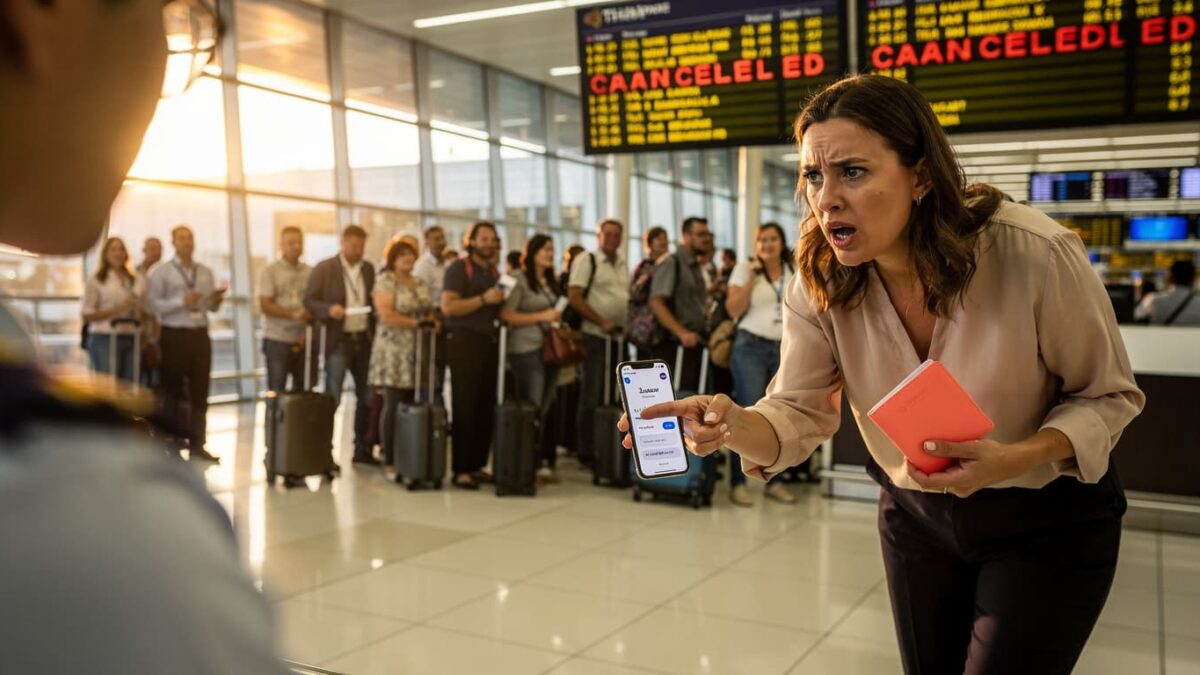
Jet fuel shortages triggered by Strait of Hormuz disruptions are forcing airlines across South Korea, Singapore, Vietnam, India, Hong Kong, and Thailand to cut routes and raise fares as of March 27, 2026. Brent crude hit US$112 per barrel on March 23 — up from $71 before the US-Israel attacks on Iran on February 28 — while Southeast Asia’s fuel reserves sit at 20–60 days, with 60–80% of the region’s oil imports flowing through the now-disrupted strait.
Vietnam airlines are already reducing domestic and regional frequencies, Malaysia has warned of capacity cuts if prices stay elevated, and Thailand’s Suvarnabhumi Airport slashed taxi operations to 2,500 vehicles from over 5,000. Travelers with bookings to these countries face potential schedule changes within 24–48 hours — check airline apps immediately for re-routing notifications.
A fuel crisis is tearing through Asia-Pacific aviation.
Airlines serving South Korea, Singapore, Vietnam, India, Hong Kong, and Thailand are cutting flight frequencies and imposing fare increases as jet fuel shortages — driven by a month-long disruption to oil flows through the Strait of Hormuz — push operating costs to unsustainable levels. The crisis, which began when US-Israel military operations against Iran choked the waterway on February 28, 2026, has sent Brent crude prices soaring 58% in less than four weeks.
The impact is immediate and widening. Vietnam’s carriers have already reduced domestic and regional routes, while Malaysia’s aviation authority warned on March 24 that capacity cuts are imminent if fuel prices remain elevated. Thailand’s government is reviewing emergency tax relief for airlines as the country’s fuel reserves — currently at 60 days — continue to drain. Cambodia, Indonesia, and Vietnam are in worse shape, holding just 20–23 days of reserves.
Travelers with existing bookings to these destinations should check airline notifications within the next 24 hours. Those planning trips face a narrowing window to lock in fares before further surcharges take effect.
How the fuel shortage is reshaping Asia routes
The Strait of Hormuz — a 21-mile-wide chokepoint between Iran and Oman — normally carries 60–80% of Southeast Asia’s oil imports. Military operations that began in late February have reduced tanker traffic to a trickle, forcing Asian governments to draw down strategic reserves while crude prices climbed from $71 to $112 per barrel in three weeks. The International Energy Agency’s chief noted the current crisis exceeds the combined impact of the 1970s oil shocks and the Russia-Ukraine war.
Airlines are responding with blunt cost-cutting. Vietnam Airlines and regional carriers have pulled back domestic frequencies, while Cathay Pacific and Singapore Airlines have imposed fuel surcharges on long-haul routes. Malaysia’s aviation regulator issued a public warning on March 24 that carriers may reduce capacity if jet fuel prices don’t stabilize. Thailand’s Airlines Association is lobbying for excise tax relief — a decision expected within two weeks — to avoid further route cancellations.
Ground transport is collapsing faster than air service. Thailand’s Suvarnabhumi Airport cut its taxi fleet in half as petrol prices jumped 30–35% and diesel surged over 60%. SUV taxi services have suspended operations entirely. South Korea is holding back 1.7 million barrels per day of oil imports while imposing price caps and driving restrictions on public servants.
| Country | Fuel reserves (days) | Oil via Strait of Hormuz | Key impact |
|---|---|---|---|
| Cambodia | 20 | 60–80% | Route cuts imminent |
| Indonesia | 23 | 60–80% | Domestic capacity reduced |
| Vietnam | 23 | 60–80% | Regional flights cut |
| Myanmar | 40 | 60–80% | Fares rising |
| Thailand | 60 | 60–80% | Ground transport halved |
| South Korea | Data pending | 70% | Price caps, driving bans |
What this means for different traveler groups
The fuel crisis hits hardest in Southeast Asia, where reserves are measured in weeks rather than months. But the ripple effects reach every region that connects through Asia’s major hubs — and the severity varies sharply depending on where you’re flying from.
North America: Long-haul routes to Seoul, Singapore, and Hong Kong are seeing fuel surcharges added to published fares, though no major carriers have canceled frequencies yet. Cathay Pacific and Singapore Airlines — the dominant carriers on transpacific routes — have both adjusted pricing in the past two weeks. Travelers with bookings should monitor airline apps for schedule changes, as capacity reductions could follow if crude stays above $100. The structural factors already pushing Asia fares higher are now compounded by fuel volatility.
Europe: Indirect routings via Singapore and Hong Kong — the preferred connections for many European travelers heading to Southeast Asia — face the same fuel surcharge pressure as North American routes. The added complication: Middle East tensions are also affecting Gulf carriers, narrowing the competitive set. Travelers should check IATA advisories and consider booking flexibility, as the crisis shows no signs of easing.
Australasia: Australia and New Zealand depend heavily on Asia-Pacific oil flows, with Japan importing 90% and South Korea 70% of their crude via the Strait of Hormuz. Routes to Seoul — a key connection point for Australian travelers — are particularly exposed. Budget carriers like T’way Air may offer fare relief compared to legacy carriers, but even low-cost options will face upward pressure if fuel prices don’t stabilize. Book early and expect fewer seat sales through mid-2026.
Within Asia: Domestic and regional routes are being cut first. Vietnam’s carriers have already reduced frequencies, and Thailand’s taxi shortage at Suvarnabhumi signals broader ground transport failures. Travelers planning multi-city itineraries within Southeast Asia should simplify routes and avoid tight connections — fuel shortages are creating cascading delays even when flights aren’t canceled outright.
What to do if your Asia trip is affected
The fuel crisis is unfolding in real time — airlines are making route decisions week by week as reserves drain and crude prices fluctuate.
- Check your booking status daily — Airlines are issuing schedule change notifications with 24–48 hours’ notice. Use airline apps rather than third-party sites for the fastest updates. Vietnam Airlines, Thai Airways, and regional carriers are most likely to adjust frequencies first.
- Rebook immediately if notified — Most carriers are waiving change fees for fuel-related disruptions, but alternative flights fill quickly. Call airline hotlines directly rather than waiting for automated rebooking.
- Avoid tight connections through Bangkok, Singapore, or Seoul — Ground transport delays and reduced taxi availability at Suvarnabhumi are creating missed connections even when flights operate on time. Build in 3+ hour buffers for international transfers.
- Monitor crude oil prices — If Brent stays above $100 per barrel for another two weeks, expect a second wave of route cuts and fare increases. The IEA is tracking Strait of Hormuz flows as the key indicator for when pressure might ease.
- Consider postponing non-essential travel to Southeast Asia — Cambodia, Indonesia, and Vietnam are operating on 20–23 days of fuel reserves. If the Strait remains disrupted through mid-April, these countries face severe capacity reductions that will strand travelers or force expensive last-minute rebookings.
Watch: Thailand’s Airlines Association is awaiting a government decision on jet fuel excise tax relief — expected within two weeks. If approved, it could stabilize domestic fares and prevent further route cuts. If denied, expect Thai carriers to pull back regional frequencies by mid-April.
Are airlines required to refund tickets if they cancel flights due to fuel shortages?
Fuel shortages are considered an economic factor, not a force majeure event like weather or strikes. Airlines are not required to offer refunds under most fare rules, but they must rebook you on the next available flight at no additional cost. If the schedule change is significant (typically 2+ hours), you may be entitled to a full refund depending on the carrier’s contract of carriage and your departure country’s consumer protection laws.
Which Asia routes are most at risk of cancellation in the next 30 days?
Domestic and regional routes within Southeast Asia face the highest risk — Vietnam, Cambodia, and Indonesia are operating on 20–23 days of fuel reserves. International long-haul routes to Singapore, Bangkok, and Seoul are seeing fare increases and potential frequency reductions, but full cancellations are less likely unless crude prices spike above $120 per barrel or reserves drop below 15 days.
Should I buy travel insurance now if I’m planning an Asia trip in the next 3 months?
Standard travel insurance policies do not cover cancellations due to fuel shortages or rising airfares — these are considered foreseeable events once publicly reported. If you purchase insurance after March 27, 2026, fuel-related disruptions will likely be excluded. Cancel For Any Reason (CFAR) policies purchased before the crisis became public may offer partial reimbursement, but read the fine print carefully.