European strikes and weather strand hundreds, severing Asia connections and tripling fares

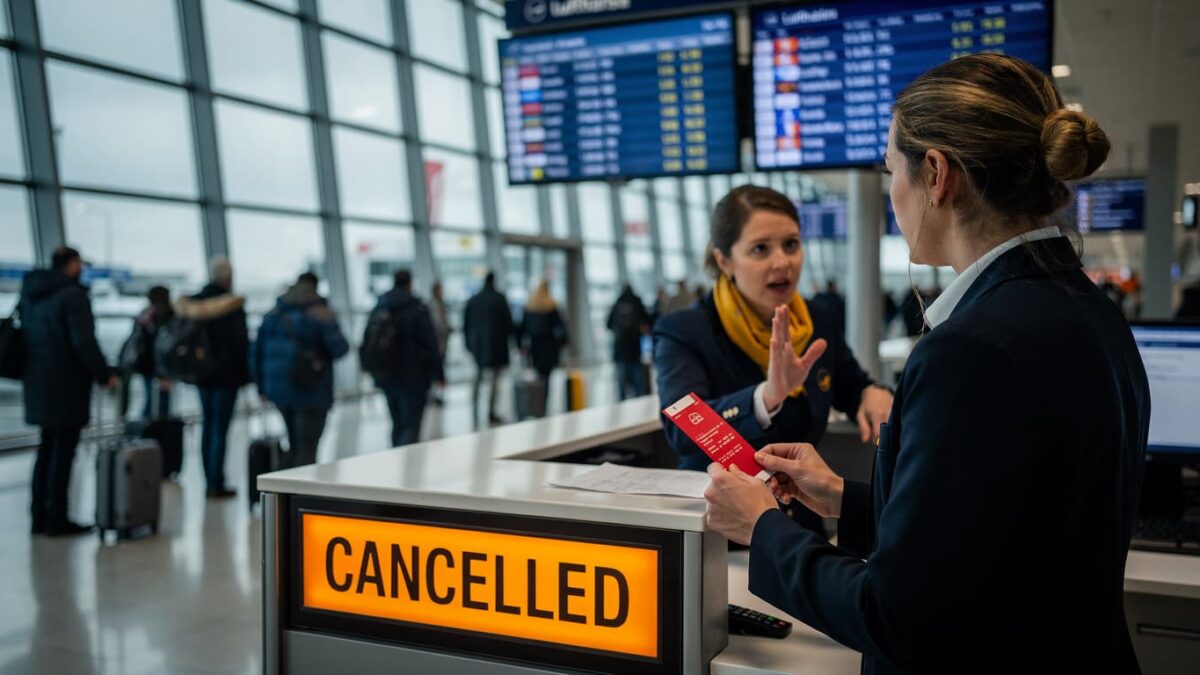
European hubs including Amsterdam Schiphol, Paris Charles de Gaulle, Frankfurt, and Rome Fiumicino recorded 217 cancellations and 806 delays on March 5, 2026, followed by 333 cancellations and 2,396 delays on March 9. KLM, Lufthansa, and easyJet bore the brunt, with industrial actions, weather, and airspace congestion stranding hundreds of travelers and severing same-day connections to Asia-Pacific destinations including Bangkok, Singapore, and Tokyo.
The disruptions stem from overlapping Lufthansa pilot strikes through March 13 and planned easyJet Italy crew actions on March 18. Travelers with bookings through these hubs face 24–72 hour delays and surging rebooking demand that has filled alternative flights and airport hotels across the Netherlands, France, Germany, and Italy.
A cascade of strikes, weather events, and airspace restrictions across Europe has left hundreds of travelers stranded at major hubs, with knock-on effects rippling through Asia-Pacific connections. On March 5, Schiphol alone canceled 31 flights and delayed 98 more, while Paris CDG recorded 27 cancellations and 125 delays. Four days later, the situation worsened — 333 cancellations and 2,396 delays hit Copenhagen, Barcelona, Paris, and Frankfurt as weather compounded existing operational strain.
KLM canceled 10 flights and delayed 41 on March 5. Lufthansa delayed 54, while easyJet saw 117 delays and 6 cancellations. The disruptions severed same-day connections to Bangkok, Singapore, Hong Kong, and Tokyo — routes where tight turnarounds leave no buffer for inbound delays.
Industrial action is the primary driver. Lufthansa pilots are striking through March 13, with the airline offering free rebooking or refunds for tickets issued before March 10 on affected March 12–13 flights. EasyJet Italy crew plan a strike from 1–5 PM on March 18, alongside 24-hour handling staff walkouts at Milan Malpensa, Linate, and Brescia Montichiari — threatening further chaos at Italian hubs including Rome Fiumicino.
How the disruptions cascade through Asia connections
The March 5 and March 9 events exposed the fragility of Europe’s hub-and-spoke system when multiple pressure points fail simultaneously. Weather closed runways at Copenhagen and Barcelona, while airspace congestion over France and Germany forced flow restrictions that delayed arrivals into Frankfurt and Paris CDG. Those delays then rippled outbound — a KLM flight from Amsterdam to Bangkok that should depart at 10:30 AM waits for an inbound crew from Madrid that’s stuck on the tarmac.
Airlines prioritize long-haul recovery over short-haul punctuality, meaning Asia-bound flights often depart once crew and aircraft arrive — but passengers who missed their connection wait 24–48 hours for the next available seat. AirHelp’s March 5 disruption report shows Schiphol, Paris CDG, and Frankfurt accounted for 73 of the 217 cancellations that day — three hubs that collectively handle over 40% of Europe-to-Asia traffic.
The Lufthansa pilot strike compounds the problem. Strikes are not classified as extraordinary circumstances under EU261, meaning passengers on canceled flights are entitled to €250–€600 compensation depending on distance, plus meals and hotel accommodation. But with strikes announced days in advance, airlines often rebook passengers preemptively — and when hundreds of flights cancel simultaneously, alternative seats vanish. A family of four flying Frankfurt to Singapore via Bangkok might find themselves rerouted through Istanbul or Doha, adding 6–8 hours to the journey.
| Hub | Cancellations | Delays | Primary cause |
|---|---|---|---|
| Amsterdam Schiphol | 31 | 98 | Weather, congestion |
| Paris CDG | 27 | 125 | Airspace restrictions |
| Frankfurt | 15 | 90 | Lufthansa strike, weather |
| Copenhagen | Data pending | Data pending | Weather |
| Barcelona | Data pending | Data pending | Weather, congestion |
The wider pattern across European aviation
March 2026 is not an anomaly — it’s a repeat of March 2023, when Lufthansa pilots struck on March 10, canceling over 100 flights at Frankfurt and Munich, and easyJet Italy crew actions on March 24 disrupted Milan and Rome with 50+ cancellations. Those events stranded thousands and created weeks of backlog as airlines struggled to reposition aircraft and crew. The 2026 disruptions follow the same script: overlapping industrial actions at the same hubs, compounded by seasonal weather that closes runways and restricts airspace over France and Germany.
The competitive picture shifts during these disruptions. Middle East carriers — Qatar Airways, Emirates, Etihad Airways — operate daily Airbus A350 and Boeing 777 services from Madrid, Rome, and Amsterdam to their Gulf hubs, then onward to Asia. When European carriers cancel, Gulf carriers absorb the overflow, often at premium fares. A Madrid–Singapore roundtrip that normally costs €900 on Iberia or KLM can spike to €1,400+ on Qatar Airways during disruption windows — but the flight departs on time.
For travelers considering efficient European airport hubs, the March disruptions underscore the risk of single-hub dependencies. A booking through Amsterdam or Frankfurt assumes operational stability — when strikes or weather hit, there’s no Plan B within the same alliance. Gulf hubs like Doha and Dubai rarely face industrial action, and their geographic position between Europe and Asia means weather delays are less likely to cascade.
What to do if your flight is affected
The Lufthansa strike and easyJet Italy actions create a narrow window for proactive rebooking — here’s the priority order for protecting your trip.
- Check flight status daily: Use the airline’s app or FlightAware to monitor your flight. Cancellations often appear 24–48 hours before departure. If your flight is canceled, the airline must offer rebooking or a full refund under EU261.
- Rebook immediately: Airlines prioritize passengers who act first. Use the app’s rebooking tool or call the airline — but expect phone wait times of 2+ hours. If rerouted through a different hub, verify the connection time exceeds the airline’s minimum connecting time (typically 60–90 minutes for intra-Europe, 2+ hours for intercontinental).
- Claim compensation: If your flight is canceled or delayed over 3 hours due to the strike, you’re entitled to €250–€600 per passenger depending on distance. File a claim through the airline’s website or use a service like AirHelp. Keep all receipts for meals and accommodation — the airline must reimburse reasonable expenses.
- Consider alternative hubs: If rebooking through the same hub adds 24+ hours, request a reroute via a Gulf hub (Doha, Dubai, Abu Dhabi) or Istanbul. These hubs have daily Asia frequencies and are unaffected by European strikes. The journey may be longer, but the flight will depart.
- Monitor the March 18 easyJet strike: If you’re flying through Milan or Rome on March 18, expect delays between 1–5 PM. Handling staff strikes at Malpensa, Linate, and Brescia Montichiari will slow check-in and baggage processing. Arrive 3+ hours early for international flights.
Watch: Eurocontrol’s daily capacity updates will signal whether airspace restrictions lift by March 29 — if they do, schedules normalize for Asia connections. If not, expect rolling delays through March 31. Italian strike expansions post-March 18 are also being tracked by insiders.
Am I entitled to compensation if my flight is canceled due to the Lufthansa or easyJet strikes?
Yes. Strikes are not classified as extraordinary circumstances under EU261, so passengers on canceled or delayed flights (over 3 hours) are entitled to €250–€600 compensation depending on distance, plus meals and hotel accommodation. File a claim through the airline’s website or use a service like AirHelp.
What should I do if I miss my Asia connection due to a European delay?
Contact the airline immediately at the transfer airport. If both flights are on the same ticket, the airline must rebook you on the next available flight at no cost. If you booked separate tickets, you’re responsible for rebooking — travel insurance may cover the cost if the delay exceeds the policy’s threshold (typically 3–6 hours).
Are Gulf carriers a safer alternative during European strikes?
Yes. Qatar Airways, Emirates, and Etihad operate daily services from European hubs to Asia via Doha, Dubai, and Abu Dhabi. These hubs rarely face industrial action, and their geographic position between Europe and Asia means weather delays are less likely to cascade. Fares may be higher during disruption windows, but operational reliability is significantly better.