Air Canada crash survivors eligible for $175,000 advance compensation under Montreal Convention

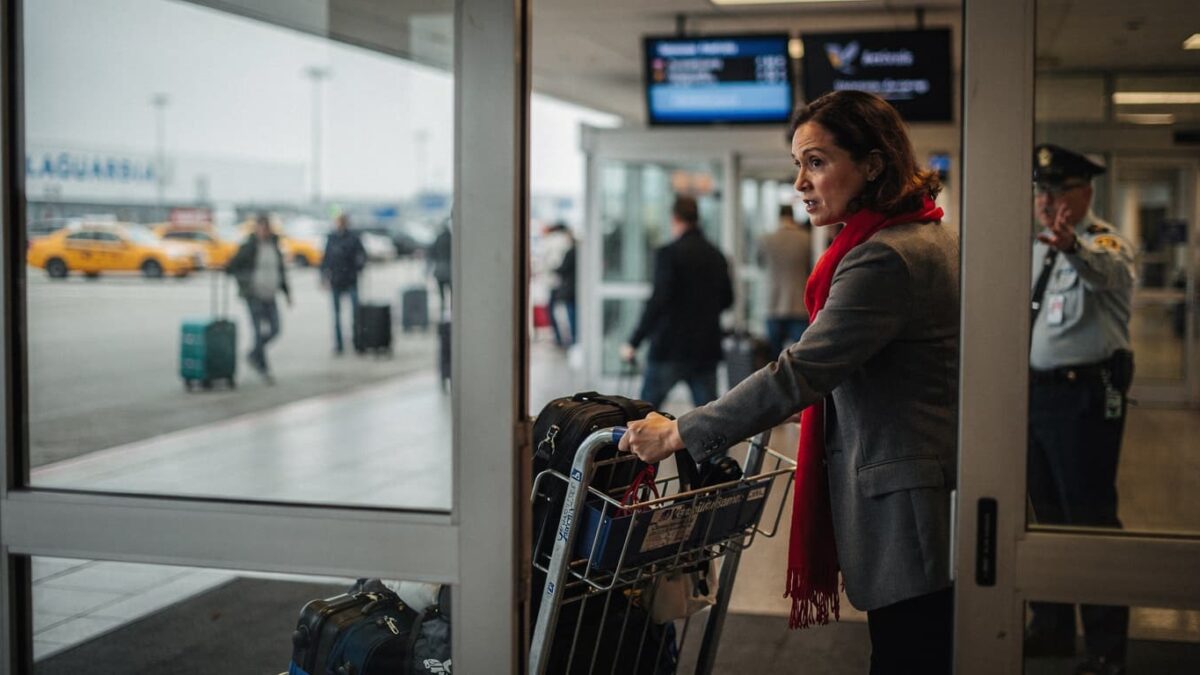
Survivors of the March 22, 2026 Air Canada Express Flight 8646 crash at LaGuardia Airport can claim up to $175,000 in advance compensation under the Montreal Convention, with the potential for unlimited proven damages through lawsuits filed within two years. The collision between the Montreal-bound CRJ-900 and a Port Authority fire truck killed both pilots and hospitalized 41 people, including 39 passengers and crew.
The Montreal Convention’s strict liability clause activates automatically for bodily injury on international flights — Air Canada must pay the advance within 15 days of a claim. Six passengers remained hospitalized as of March 24, while the NTSB investigates why the runway alert system failed to prevent the collision.
Air Canada faces potential payouts approaching $300,000 per survivor following the fatal runway collision at LaGuardia Airport that killed both pilots of Flight 8646 from Montreal. Aviation law experts confirm the airline’s liability is automatic under international treaty — no proof of negligence required.
The crash occurred during landing on March 22 when the Bombardier CRJ-900, operated by Jazz Aviation as Air Canada Express, struck a Port Authority fire truck crossing the active runway.
Passenger rights advocate Gabor Lukacs says the 1999 Montreal Convention holds airlines strictly liable for death or bodily injury on international flights, with compensation reaching 128,821 Special Drawing Rights — approximately $175,000 USD as an advance payment, plus unlimited provable damages beyond that threshold. The cockpit voice recorder captured the control tower instructing the fire truck to stop 9 and 4 seconds before impact, but the vehicle lacked the transponder needed to trigger LaGuardia’s ASDE-X runway alert system.
Who qualifies and what the treaty guarantees
All 39 passengers and crew hospitalized after the collision qualify for Montreal Convention protection. The treaty applies to any international flight — in this case, the Montreal-New York route crosses the US-Canada border, activating Article 17’s strict liability provision.
Air Canada must provide the advance payment within 15 days of receiving a claim, regardless of fault. Survivors then have two years from March 22, 2026 to file lawsuits for damages exceeding the initial amount. US aviation lawyer Kevin Durkin notes passengers could also sue the Federal Aviation Administration and Port Authority of New York and New Jersey, which operates LaGuardia, if investigations reveal regulatory failures.
The NTSB’s preliminary findings show the fire truck entered the runway without proper clearance while the aircraft was on final approach. Wreckage examination concluded March 26, with interviews of the fire truck’s police officers still underway.
| Date | Event | Impact |
|---|---|---|
| March 22 | CRJ-900 collides with fire truck on landing | Both pilots killed, 41 hospitalized |
| March 24 | 6 passengers remain hospitalized | Runway closed, delays continue |
| March 26 | NTSB completes wreckage exam | Preliminary report expected within 30 days |
| March 27 | Runway reopening target | YUL-LGA service resumes |
The last fatal LaGuardia accident and what changed
This marks LaGuardia’s first fatal accident in 34 years. The previous incident — USAir Flight 405 on March 22, 1992 — killed 27 of 51 aboard when a Fokker F-28 crashed on takeoff during a snowstorm. The NTSB blamed inadequate de-icing and pilot decisions, leading to stricter FAA winter operations rules and the Port Authority’s installation of the ASDE-X ground radar system designed to prevent runway incursions.
That system failed on March 22, 2026 because the fire truck lacked a transponder — a known gap in LaGuardia’s safety net. The FAA’s 14 CFR Part 139 airport certification standards require annual inspections and ASDE-X audits, but transponders for ground vehicles remain optional. The most recent audit in 2025 confirmed the system was operational, though it cannot detect non-transponding vehicles.
Transport Canada oversees Air Canada and its regional subsidiary Jazz Aviation under Canadian Aviation Regulations. Both pilots — Captain Antoine Forest and First Officer Mackenzie Gunther — held valid certifications. The cockpit voice recorder shows the first officer handed control to the captain 6 seconds before impact, suggesting a last-second attempt to avoid the collision.
What survivors must do now
The clock starts immediately — Air Canada’s claims process requires documentation within 21 days to trigger the advance payment, though the two-year lawsuit deadline provides more time for complex injury cases.
- File a claim: Call 1-800-387-2011 or submit documentation at aircanada.com/ca/en/aco/home/plan/customer-support/claims.html. Include medical records, receipts, and a detailed account of injuries.
- Preserve evidence: Photograph injuries, save all medical bills, and document lost wages or other financial impacts. The Montreal Convention allows unlimited damages if you can prove them.
- Consult an aviation lawyer: US and Canadian attorneys specializing in international air disasters can navigate the treaty’s complexities and identify additional defendants like the FAA or Port Authority.
- Monitor the NTSB investigation: The preliminary report, expected within 30 days, will clarify whether the fire truck’s actions or LaGuardia’s safety systems contributed to the crash — critical evidence for lawsuits.
Watch: The NTSB’s final report, typically released 12–18 months after a crash, will determine whether the FAA mandates transponders for all airport ground vehicles — a systemic fix that could prevent future runway incursions at LaGuardia and other US airports.
Does the Montreal Convention apply if I was only emotionally traumatized, not physically injured?
No. Article 17 covers death or bodily injury only — psychological trauma without physical harm does not qualify for the automatic advance payment. However, if you can prove a diagnosed psychiatric condition caused by the crash, you may pursue damages through a lawsuit within the two-year window.
Can I sue Air Canada for more than $175,000 even if the crash was not the airline’s fault?
Yes. The Montreal Convention’s strict liability clause means Air Canada owes the advance payment regardless of fault. For damages beyond 128,821 SDR, you must prove the amount in court, but the airline cannot escape liability by arguing the fire truck caused the collision — that defense only applies to claims exceeding the treaty’s threshold.
What happens if I miss the two-year deadline to file a lawsuit?
Your claim is permanently barred under Article 35 of the Montreal Convention. The advance payment does not extend this deadline — you must file a lawsuit by March 22, 2028, even if your injuries worsen or new damages emerge after that date.