Air Canada Express jet collides with fire truck at LaGuardia, killing two pilots

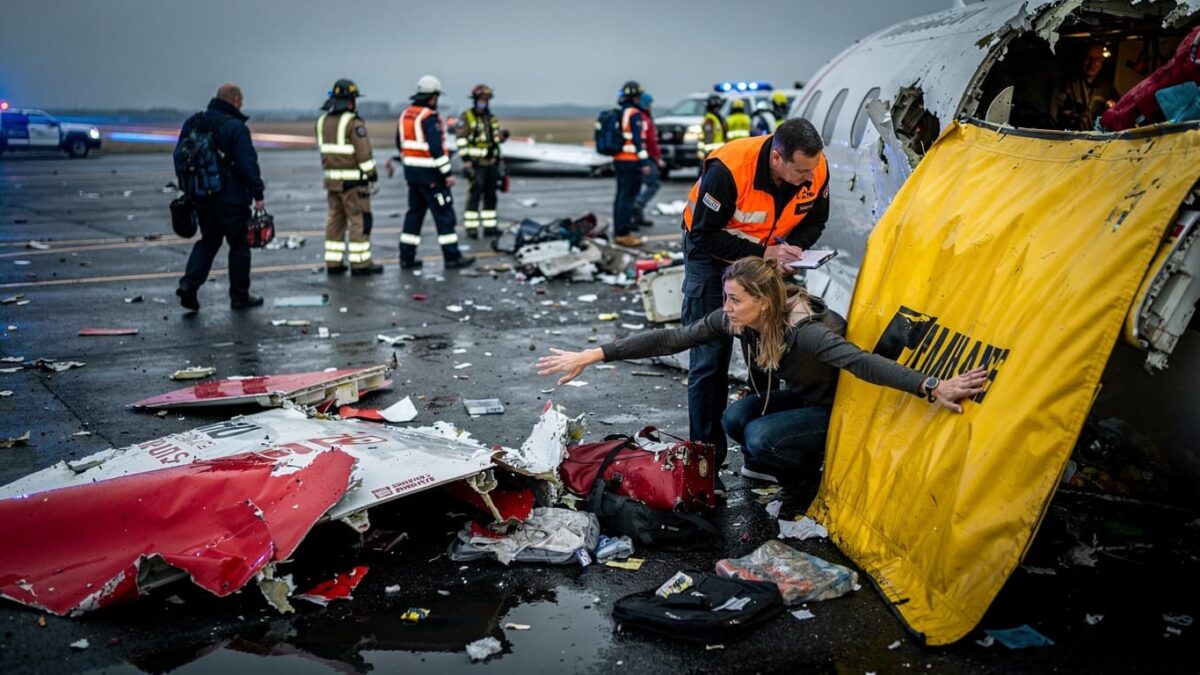
An Air Canada Express regional jet collided with a Port Authority fire truck while landing at New York’s LaGuardia Airport on March 22, 2026, killing both pilots and closing the airport until at least 2 p.m. ET March 23. The crash involved flight AC8646 from Montreal, operated by Jazz Aviation, carrying 72 passengers and 4 crew. 41 people were hospitalized (39 passengers, 2 Port Authority officers), with 32 already released. Nearly 600 flights were canceled Monday, and the FAA issued a ground stop affecting all LaGuardia operations.
Major airlines have waived rebooking fees for LaGuardia flights. The NTSB is leading the investigation with Canadian authorities, and the airport remains closed for emergency operations and wreckage analysis.
A fatal collision at one of America’s busiest airports has shut down LaGuardia and stranded thousands of travelers across the Northeast.
The Air Canada Express CRJ-900 struck a Port Authority Aircraft Rescue and Firefighting vehicle on the runway at 93–105 mph during landing. Both pilots aboard the regional jet died on impact. The fire truck was responding to a separate United Airlines incident when the collision occurred.
All 72 passengers survived, though 39 required hospitalization. Two Port Authority officers in the fire truck are in stable condition. An unaccompanied minor traveling on the flight has been reunited with family.
LaGuardia Airport closed immediately and will remain shut until at least 2 p.m. ET on March 23 while the NTSB secures the crash site and analyzes air traffic control recordings. The closure triggered nearly 600 flight cancellations on Monday, with diversions to JFK and Newark creating a cascade of delays across the New York metro area.
What happened on the runway
Flight AC8646 departed Montreal at 11:17 a.m. ET and was cleared to land on Runway 4 at LaGuardia. The fire truck had been cleared onto the same runway to respond to a United Airlines aircraft issue, then stopped in the jet’s path. The CRJ-900, traveling at highway speed on final approach, could not avoid the collision.
The impact killed both pilots instantly. Passengers evacuated via emergency slides, with 39 transported to area hospitals for injuries ranging from minor to serious. 32 have since been released. Two Port Authority officers in the fire truck sustained injuries but are stable.
The NTSB has taken control of the investigation, with Transport Canada participating as the aircraft’s country of registry. Investigators are analyzing cockpit voice recordings, ATC communications, and the fire truck’s dispatch logs to determine why both the aircraft and the vehicle occupied the runway simultaneously. The NTSB’s standard investigation process typically takes 12–18 months to produce a final report, though preliminary findings may emerge within weeks.
Jazz Aviation, which operates Air Canada Express flights, holds FAA and IATA IOSA certification and is audited annually by Transport Canada under CARs 705 commercial operations standards. The airline has no recent prior incidents of this nature.
| Metric | Impact | Status |
|---|---|---|
| Flights canceled (March 22) | Nearly 600 | Ongoing diversions to JFK/EWR |
| Airport closure | Until at least 2 p.m. ET March 23 | Subject to NTSB clearance |
| Passengers hospitalized | 41 (39 passengers, 2 officers) | 32 released, 9 remain |
| Fatalities | 2 pilots | NTSB investigation underway |
| Aircraft involved | CRJ-900 (AC8646) | Wreckage secured on-site |
How the aviation system responds to runway collisions
The FAA certifies LaGuardia’s operations and oversees all US airports under Part 139 regulations. When a fatal ground collision occurs, the NTSB assumes jurisdiction under 49 U.S.C. § 1131, securing the crash site, analyzing air traffic control recordings, and examining vehicle dispatch protocols.
Jazz Aviation, as a Canadian carrier operating under contract to Air Canada, is audited annually by Transport Canada under CARs 705 standards for commercial operations. The airline also holds FAA certification to operate in US airspace and maintains IATA IOSA accreditation — a voluntary safety audit program recognized globally.
The current investigation will determine whether ATC clearance procedures, fire truck dispatch protocols, or pilot visibility played a role. The NTSB’s process typically produces a preliminary report within 30 days and a final report within 12–18 months. If systemic issues emerge, the FAA can issue Airworthiness Directives or operational changes that apply industry-wide.
Historical precedent suggests quick reopening if the runway is structurally intact. In 2015, a Delta A320 overran a LaGuardia runway into a snowbank during a snowstorm, closing the airport for four hours. The NTSB investigation led to runway friction enhancements completed within six months. No prior fatal plane-ground vehicle collision has occurred at LaGuardia, making this incident unprecedented for the airport.
What to do if your flight is affected
LaGuardia’s closure creates immediate disruption for anyone with a booking to or from the airport through at least March 23.
- Check flight status immediately via your airline’s app or website — do not rely on email notifications, which can lag by hours.
- Request rebooking to JFK or Newark if your airline offers the option. Delta, American, JetBlue, and United have waived change fees for LaGuardia flights through March 24. Confirm the waiver applies to your ticket class before accepting a reroute.
- Call the airline directly if you were on AC8646 or have a connecting flight through LaGuardia. Air Canada has set up a dedicated hotline at 1-800-961-7099 for friends and family of passengers on the crashed flight.
- Monitor the airport’s official status page at flylga.com for reopening updates. The NTSB must clear the runway before operations resume, and that timeline depends on the investigation’s progress.
- Consider ground transportation alternatives if you’re traveling within the Northeast corridor. Amtrak and bus services between New York, Boston, and Washington may have availability if air rebooking proves difficult.
Watch: The NTSB’s preliminary report, expected within 30 days, will clarify whether runway incursion protocols or ATC clearance procedures contributed to the collision — findings that could trigger operational changes at other US airports.
When will LaGuardia Airport reopen?
The airport is closed until at least 2 p.m. ET on March 23, 2026, pending NTSB clearance of the crash site. The timeline depends on how quickly investigators can secure wreckage, analyze ATC recordings, and clear the runway for operations. Check flylga.com for real-time updates.
Are airlines waiving change fees for LaGuardia flights?
Yes. Major carriers including Delta, American, JetBlue, United, and Air Canada have issued travel alerts waiving change fees for LaGuardia bookings through at least March 24, 2026. Contact your airline directly to confirm the waiver applies to your ticket and request rebooking to JFK or Newark.
What should I do if I was booked on a LaGuardia flight?
Check your flight status immediately via your airline’s app or website. If canceled, request rebooking to JFK or Newark under the fee waiver. If you were on Air Canada flight AC8646 or have questions about that flight, call the dedicated hotline at 1-800-961-7099.
How does this affect connecting flights through New York?
LaGuardia’s closure diverts traffic to JFK and Newark, straining capacity at both airports. If your connection involves LaGuardia, expect delays or rerouting. Contact your airline to confirm your itinerary and explore alternative connections. Build extra buffer time into any tight connections through the New York area this week.