

British Airways flight BA32 stores deceased passenger in galley for 13 hours, causing foul smell

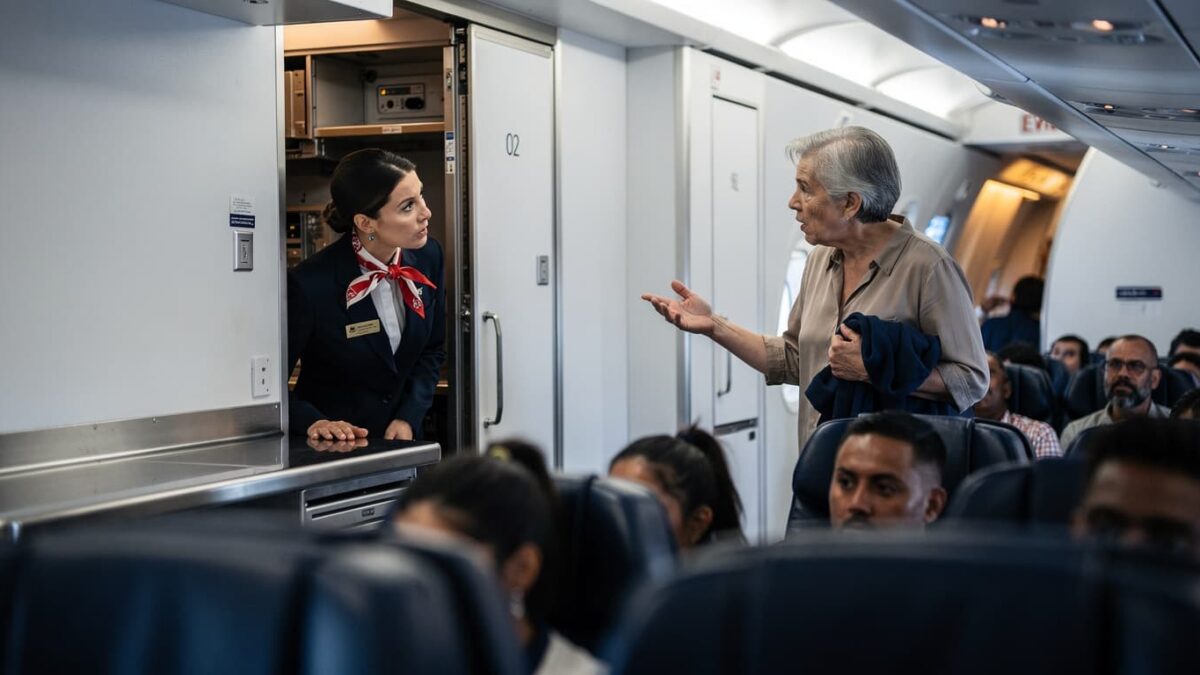
British Airways flight BA32 from Hong Kong to London on March 15, 2026 continued for 13 hours after a passenger died one hour post-takeoff, with crew storing the body in a heated rear galley after rejecting the pilots’ lavatory proposal — leading to reported foul smell and 45-minute police hold upon arrival at Heathrow with 331 passengers onboard. Crew members are on trauma leave; BA states all procedures were followed.
The UK Civil Aviation Authority has not yet opened a formal investigation. Heated galley floors on the A350-1000 are not standard equipment — the smell may have originated from galley ovens or been misattributed by passengers aware of the situation.
A woman in her 60s died suddenly aboard British Airways flight BA32 from Hong Kong to London on March 15, leaving crew to manage a 13-hour continuation with a body stored in the aircraft’s rear galley. The decision has drawn scrutiny after passengers reported a foul smell and crew required trauma leave following the incident.
The Airbus A350-1000 departed Hong Kong with 331 people onboard for the 5,994-mile journey. Pilots deemed the death a non-emergency and opted to continue rather than divert. They reportedly instructed flight attendants to place the body in a lavatory and lock it, but crew rejected this proposal. Instead, they wrapped the body and positioned it in the rear galley for the remainder of the flight.
Passengers claim a foul smell developed in the rear cabin during the final hours. Reports suggest the galley’s heated floor accelerated decomposition, though Airbus A350 galleys do not feature heated flooring as standard equipment. The odor may have originated from galley ovens or been psychological — passengers aware of the situation may have attributed unrelated smells to the body.
Police boarded the aircraft upon arrival at Heathrow and held passengers onboard for 45 minutes while conducting an investigation. British Airways issued a statement confirming “all procedures were correctly followed” and expressed condolences to the woman’s family.
Why crew rejected the lavatory option
The pilots’ recommendation to store the body in a locked lavatory aligns with standard airline practice for in-flight deaths. Multiple crew members rejected this approach, opting instead for galley storage — a decision that falls within crew discretion under IATA guidelines but raises questions about risk assessment.
Lavatories offer enclosed, ventilated spaces away from passenger view. Galleys, by contrast, remain high-traffic areas where crew prepare meals and beverages for hundreds of passengers. The choice to place a body in a food preparation zone for 13 hours deviates from typical protocol, even when full flights leave no empty seats available.
British Airways has not disclosed why crew overruled the pilots’ instruction. Some crew members are now on trauma leave, suggesting the decision’s psychological toll extended beyond the flight itself.
| Time | Event | Action taken |
|---|---|---|
| T+1 hour | Passenger death | Pilots assess, deem non-emergency |
| T+1 to T+13 hours | Body storage | Crew wraps body, places in rear galley |
| T+10 to T+13 hours | Foul smell reported | No action documented |
| Arrival at LHR | Police investigation | Passengers held onboard 45 minutes |
How airlines typically handle in-flight deaths
IATA guidelines recommend covering the body with a blanket or body bag and relocating it to a less conspicuous area — an empty seat row if available, or the original seat if the flight is full. Lavatories serve as the fallback option when no seats are available and the body can be positioned without blocking access.
Singapore Airlines once equipped its Airbus A340-500 ultra-long-haul aircraft with a dedicated “closet” for storing bodies on 18-hour flights, but this feature was never adopted industry-wide. Modern aircraft lack purpose-built storage for deceased passengers, leaving crew to improvise within existing cabin layouts.
The 2022 Qatar Airways incident on flight QR4 from Doha to London saw a deceased passenger placed in a business class seat next to a couple for the full flight after lavatory storage failed. Passengers complained, but no regulatory action followed — airlines affirmed procedures were followed and crew received counseling.
British Airways’ galley storage echoes this discretion but adds the complication of heat sources. Galley ovens operate at high temperatures during meal service, and residual heat lingers for hours. Whether this contributed to the reported smell remains unverified, but the proximity raises questions about crew training on body storage risks.
What to do if traveling HKG-LHR
This incident does not affect British Airways’ operational safety or route reliability — the airline continues daily Hong Kong–London service with no schedule changes.
- Seat selection: Rear cabin seats near galleys may experience higher noise and foot traffic. Request forward cabin or mid-cabin seats when booking long-haul flights if odor sensitivity is a concern.
- Medical preparedness: Carry personal medications in hand luggage with prescriptions. Long-haul flights from Asia to Europe cross multiple time zones — adjust medication schedules before departure.
- Travel insurance: Policies covering medical emergencies and trip interruptions apply to in-flight incidents. Review coverage limits for medical evacuation and repatriation, which can exceed $50,000 from Asia-Pacific.
- Alternative carriers: Cathay Pacific operates 14 weekly Hong Kong–London flights on A350-1000 aircraft with competitive premium economy pricing. Virgin Atlantic offers seven weekly frequencies with lower economy fares.
Watch: The UK Civil Aviation Authority has not announced a formal investigation as of March 22, 2026. If the CAA opens an inquiry by April, expect mandatory protocol updates across oneworld carriers for body storage on long-haul flights — reducing continuation risks for Hong Kong–London travelers.
Can airlines legally continue flights after a passenger dies?
Yes. In-flight deaths are not classified as emergencies unless they involve contagious disease or security threats. Pilots have discretion to continue or divert based on operational factors, crew capability, and proximity to suitable airports. IATA guidelines support continuation when diversion offers no medical benefit to the deceased.
Do passengers have rights to compensation if a body is stored onboard?
No. EU261 and UK261 regulations cover delays and cancellations caused by airline-attributable factors, but in-flight deaths fall under extraordinary circumstances. Protocol-following exempts airlines from compensation. Medical emergencies trigger care assistance obligations, but these do not extend to post-death handling unless the airline violates documented procedures.
How common are in-flight deaths on long-haul flights?
Approximately one in-flight death occurs per 2 million passengers globally, with higher rates on ultra-long-haul routes exceeding 12 hours due to passenger age and pre-existing conditions. Airlines train crew to manage deaths discreetly, but full flights and limited storage options create logistical challenges that vary by aircraft type and route length.
What should passengers do if they witness an in-flight death?
Follow crew instructions and remain seated unless asked to assist. Do not photograph or film the incident — this violates passenger privacy and may breach airline policies. If you experience distress, notify a flight attendant for support. Airlines provide post-flight counseling resources for passengers affected by traumatic events, though availability varies by carrier.