

Middle East airspace closures ground 52,000 flights, stranding 6 million passengers through April

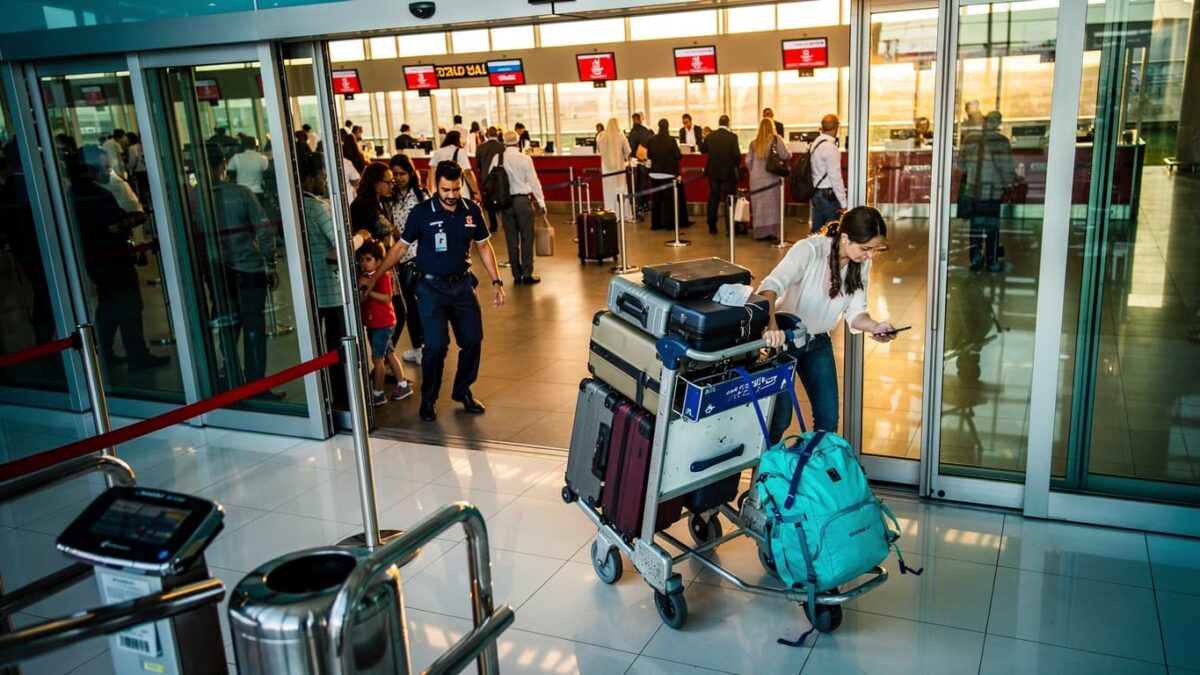
Over 52,000 flights have been canceled globally since February 28, 2026, when U.S./Israeli strikes on Iran triggered simultaneous airspace closures across Iran, Iraq, Qatar, UAE, Kuwait, Bahrain, and Syria. Airlines including Lufthansa, British Airways, and Air France have suspended Middle East hub operations through April 30, forcing Europe-Asia and North America-Asia routes to reroute via Singapore, Bangkok, and Kuala Lumpur — adding 2–4 hours to flight times and straining capacity on Southeast Asian alternatives.
The disruption has affected 6 million passengers to date. British Airways has added temporary frequencies to Singapore and Bangkok to absorb demand, but last-minute fares on alternative routings are climbing as seats fill fast.
The Middle East air corridor — the fastest route between Europe and Asia for three decades — is effectively closed. What began as a 48-hour precautionary measure on February 28 has stretched into a multi-week rerouting crisis, with no clear end date.
Singapore Airlines, Thai Airways, and Malaysia Airlines are now absorbing traffic that would normally flow through Dubai, Doha, and Abu Dhabi.
Travelers holding bookings on Lufthansa, British Airways, Air France, or KLM with Middle East connections should check their airline app immediately — automatic rebookings are underway, but not all passengers have been notified. Those planning new trips face a choice: pay premium fares for shrinking Southeast Asia capacity, or wait for Gulf airspace to reopen with no firm timeline.
What triggered the shutdown and how long it will last
The closures began hours after coordinated U.S. and Israeli strikes on Iranian military sites on February 28, 2026. Iran, Iraq, Qatar, the UAE, Kuwait, Bahrain, and Syria closed their airspace to civilian traffic within 12 hours. Peak disruptions hit Europe-Asia routes on March 3, when over 8,000 flights were grounded in a single day.
Mid-March brought a second wave of cancellations after drone attacks near Gulf airports forced additional precautionary closures. Airlines initially expected reopenings by March 20, but official notices now extend suspensions through April 30, with some carriers privately planning for May disruptions.
The reroutes add significant fuel burn and time. A typical London–Singapore flight via Dubai takes 13 hours. The current southern routing via India stretches that to 15–17 hours. Fuel consumption rises proportionally, and airlines are passing those costs to passengers through higher last-minute fares and reduced award seat availability.
| Airline | Routes suspended | Alternative hubs added | Extension date |
|---|---|---|---|
| British Airways | LHR–DXB, LHR–DOH | LHR–SIN, LHR–BKK | April 30 |
| Lufthansa | FRA–DXB, MUC–DOH | FRA–SIN via BKK | April 30 |
| Air France | CDG–DXB, CDG–RUH | CDG–SIN | March 28 |
| KLM | AMS–DXB | AMS–KUL | March 28 |
Why Southeast Asia hubs are absorbing the overflow
Singapore, Bangkok, and Kuala Lumpur sit on the southern edge of the Asia-Europe corridor — far enough from the conflict zone to operate normally, close enough to serve as viable alternatives. Singapore Airlines operates its Changi hub with daily A350 and B787 frequencies, premium product, and Star Alliance connectivity. Thai Airways from Bangkok uses A350s 10 times weekly with competitive economy pricing. Malaysia Airlines from Kuala Lumpur runs B737 and A330 service 7 times weekly as a oneworld affiliate with strong short-haul feeds.
The capacity gap left by Middle East hub cuts is being filled by these carriers, but not without strain. Award seats on Singapore Airlines are nearly gone for March and April. Cash fares on Thai Airways have climbed 20–30% above February levels. Malaysia Airlines is adding frequencies but cannot match the scale of Dubai’s daily 1,100 departures.
In 2024–2025, shorter Iran-Israel flare-ups caused temporary Gulf hub disruptions lasting days, not weeks. Reroutes via Turkey and India added 1–2 hours, and full recovery occurred within two weeks. The 2026 event differs by scale — simultaneous closures across seven countries with extensions into late spring create a structural capacity problem that Southeast Asia cannot fully absorb.
What to do if you have a booking or are planning a trip
The priority depends on whether you hold an existing ticket or are searching for new flights. Airlines are issuing automatic rebookings, but not all passengers receive timely notification.
- Existing bookings with Middle East connections: Check your airline app or email for automatic rebooking to Singapore, Bangkok, or Kuala Lumpur. Call Lufthansa at 800-645-3880, British Airways at 800-247-9297, or Air France at 800-237-2747 within 24 hours to request waivers for change fees.
- Planning new Europe-Asia trips: Use Google Flights and exclude Dubai (DXB), Doha (DOH), and Abu Dhabi (AUH) from search results. Focus on Singapore, Bangkok, and Kuala Lumpur as connection points. Book early — capacity is filling fast.
- Currently in transit: If your connection is canceled mid-trip, airlines must provide hotel accommodation and meal vouchers under EU261 (Europe departures) or DOT rules (U.S. departures). Demand written confirmation of rebooking and compensation eligibility at the airport service desk.
- Award ticket holders: Star Alliance and oneworld partners are waiving redeposit fees for Middle East routings. Call your frequent flyer program directly — online tools may not show all available award space on alternative routings.
Watch: UAE and Qatar airspace reopening announcements expected after March 20 — if confirmed, normalized Europe-Asia overflights resume, slashing reroute delays and fuel surcharges.
Are Middle East airlines still operating flights to Europe and Asia?
Emirates, Qatar Airways, and Etihad have suspended most Europe-Asia connections through their Dubai, Doha, and Abu Dhabi hubs through April 30, 2026. Some point-to-point routes to Europe (e.g., Dubai–London) continue with reduced frequencies, but transit connections are largely unavailable. Check airline websites for real-time schedules.
Will I get compensation if my flight is rerouted through Southeast Asia?
Compensation depends on departure region and delay length. EU261 and UK261 apply for flights departing Europe — delays over 3 hours may qualify for up to €600, but military conflict is often classified as extraordinary circumstances, exempting airlines. U.S. DOT rules require refunds for cancellations but no cash compensation for delays. Australian Consumer Law and New Zealand’s CCCFA require refunds or rebooking for cancellations. Verify your airline’s waiver policy.
How much longer are rerouted flights taking?
Europe-Asia flights rerouted via Southeast Asia add 2–4 hours compared to the typical Middle East routing. A London–Singapore flight via Dubai takes 13 hours; the current southern routing via India stretches that to 15–17 hours. North America-Asia flights with Middle East connections now add 3–5 hours depending on the final destination.
Are fares higher on Southeast Asia routings?
Last-minute fares on Singapore Airlines, Thai Airways, and Malaysia Airlines have climbed 20–30% above February 2026 levels due to capacity strain. Advance bookings (30+ days out) show smaller increases. Award seat availability on premium cabins is nearly exhausted for March and April. Book early or consider flexible dates to avoid peak pricing.