
Dubai airspace reopens after 72-hour closure, 8,000 passengers face 1-2 day delays

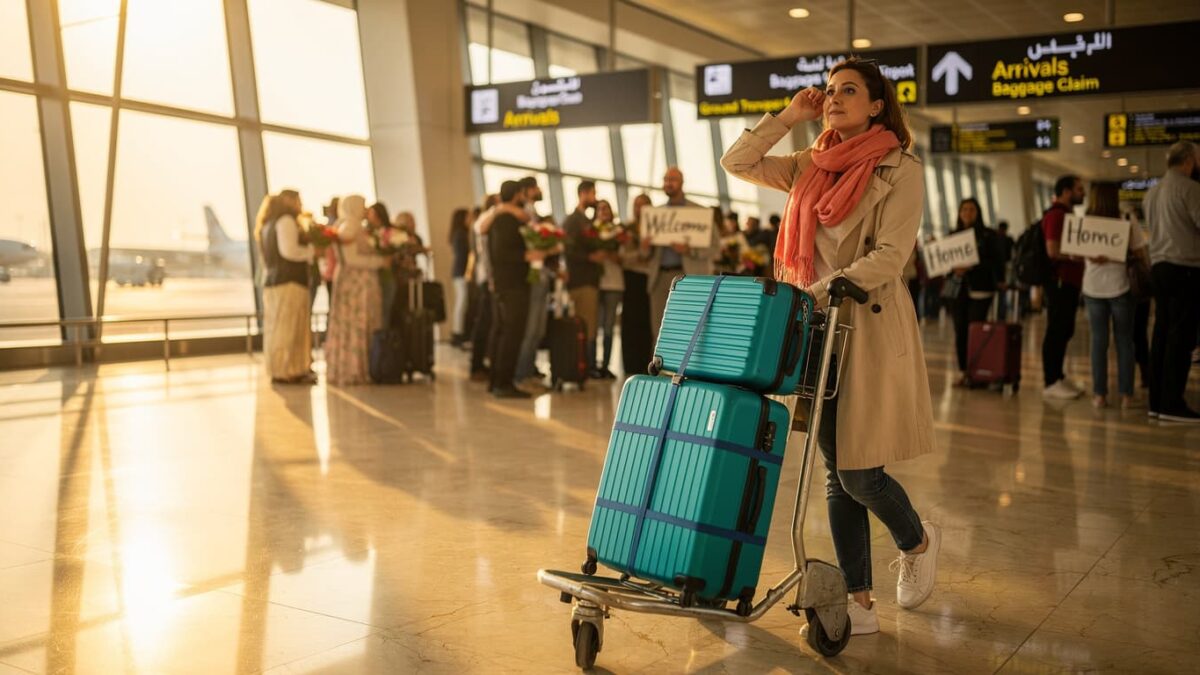
Dubai Civil Aviation Authority lifted its 72-hour airspace suspension on March 18 at 16:00 local time, allowing IndiGo to resume Dubai operations immediately and Air India to schedule 48 combined flights for March 19. The suspension, imposed late March 15 after missile activity near the Strait of Hormuz, affected more than 8,000 passengers, many SME owners and expatriate workers relying on Dubai for onward connections to Africa, Europe, and Asia-Pacific destinations. Etihad and Qatar Airways continue limited operations under prevailing safety conditions.
Full schedule restoration remains phased through March 28, with IndiGo maintaining suspensions to seven destinations including Doha, Kuwait, and Bahrain. Recovery flights are clearing the passenger backlog, but expect 1–2 day delays and temporary premium pricing through late March.
Dubai’s airspace reopened to commercial traffic on March 18, ending a 72-hour suspension that stranded thousands of passengers and severed critical connections between India and the Gulf. IndiGo resumed Dubai flights within hours of the announcement, while Air India scheduled 48 rotations for March 19 — 16 regular services and 32 recovery flights to clear the backlog.
The suspension, imposed late March 15 after missile activity near the Strait of Hormuz, hit hardest at travelers using Dubai as a transit hub. More than 8,000 passengers were affected, many of them small business owners and expatriate workers from Kerala relying on Dubai for onward connections to Africa and Europe. The Mumbai-Dubai shuttle and feeder services from Kochi, Kozhikode, and Thiruvananthapuram were among the first to restart.
Etihad and Qatar Airways are maintaining limited operations through their Abu Dhabi and Doha hubs, conducting ongoing risk assessments before scaling up frequency. Akasa Air expects to restart select West Asia services over the weekend of March 22–23.
Which routes are back and which remain suspended
IndiGo is operating 252 weekly flights across its Middle East network through March 28, including 98 to UAE, 126 to Saudi Arabia, and 28 to Oman. The carrier maintains suspensions to seven destinations: Doha, Kuwait, Bahrain, Dammam, Fujairah, Ras Al Khaimah, and Sharjah. Dubai operations resumed immediately upon airspace clearance, with the carrier prioritizing its 3+ daily Mumbai-Dubai frequency to clear stranded passengers.
Air India Express and Air India together operate the 48 March 19 flights as scheduled and non-scheduled rotations. The non-scheduled flights are recovery operations designed to clear the passenger backlog and restore the Mumbai-Dubai shuttle, which serves as a critical feeder for onward connections to Europe and Africa. Kerala airports — Kochi, Kozhikode, and Thiruvananthapuram — are receiving priority attention due to high expatriate worker demand.
| Carrier | Hub | Weekly flights | Status |
|---|---|---|---|
| IndiGo | Dubai | 98 (UAE total) | Resumed March 18 |
| Air India | Dubai | 48 (March 19 only) | 16 scheduled + 32 recovery |
| Etihad | Abu Dhabi | Limited ops | Ongoing assessment |
| Qatar Airways | Doha | Limited ops | Ongoing assessment |
| Akasa Air | Various | Data pending | Expected March 22–23 |
How the 72-hour suspension compares to past disruptions
The March 15–18 suspension mirrors the 2022 Houthi drone campaign disruptions in the Red Sea, which forced temporary airspace closures and carrier reroutes lasting 5–7 days. However, the current 72-hour suspension is shorter and more geographically contained to UAE airspace. The 2022 incident saw carriers like Emirates and FlyDubai resume full schedules within 10 days; current trajectory suggests similar recovery by late March.
Dubai’s role as a global transit hub amplifies the impact of even brief suspensions. The airport handles more than 80 million passengers annually, with a significant portion connecting between Asia-Pacific and Europe or Africa. When Dubai airspace closes, alternative hubs like Abu Dhabi and Doha absorb overflow traffic, but capacity constraints mean delays ripple across the network for days after reopening.
IndiGo’s cost advantage and frequency — 3+ daily Mumbai-Dubai rotations — position it as the primary recovery carrier for price-sensitive and SME traffic. Emirates operates 3–4 daily Dubai-India rotations with Boeing 777 and Airbus A380 aircraft, targeting premium positioning, while Etihad operates 1–2 daily Abu Dhabi-India services at competitive pricing. Qatar Airways operates 2–3 daily Doha-India rotations with Boeing 787 and Airbus A350 aircraft.
What to do if you have a booking
Dubai airspace is open, but recovery operations are still clearing the backlog — here is the priority order for protecting your trip.
- Check flight status daily through March 28: Airlines are operating recovery flights alongside scheduled services, and last-minute schedule changes remain possible. Use airline apps or FlightAware for real-time updates.
- Avoid March 19–20 departures unless rebooking stranded passengers: Recovery flights are prioritizing backlog clearance. If you have flexibility, book March 21+ departures for more stable operations.
- Consider alternative hubs if your route remains suspended: IndiGo suspensions to Doha, Kuwait, Bahrain, Dammam, Fujairah, Ras Al Khaimah, and Sharjah continue through March 28. Reroute via Abu Dhabi (Etihad) or Doha (Qatar Airways) if your destination is on the suspended list.
- Expect temporary premium pricing on recovery flights: High demand and limited capacity through March 28 mean fares may run 20–40% above pre-disruption levels. Historical context: pre-disruption fares on Mumbai-Dubai, Delhi-Dubai, and Kochi-Dubai corridors typically range $150–$280 roundtrip economy from India.
- Know your compensation rights: The suspension was force majeure; compensation may not apply unless the carrier failed to provide care or rebooking. EU/UK departures fall under EU261/2004 (€250–€600 for 3+ hour delays). Indian carriers (Air India, IndiGo, Akasa) fall under Indian aviation rules (₹10,000–₹50,000 for delays >3 hours, approximately $120–$600 USD).
Watch: If Akasa Air announces specific restart dates for West Asia services by March 21, it signals broader industry confidence in airspace stability. If the announcement is delayed beyond March 23, expect continued caution and phased recovery.
Which airlines are still operating limited services to the Middle East?
Etihad and Qatar Airways continue limited operations through their Abu Dhabi and Doha hubs under prevailing safety conditions. Both carriers are conducting ongoing risk assessments before scaling up frequency. Akasa Air expects to restart select West Asia services over the weekend of March 22–23.
Are Dubai-to-Asia-Pacific connections fully restored?
Dubai airspace is open, but full schedule restoration remains phased through March 28. IndiGo is operating 252 weekly flights across its Middle East network, including 98 to UAE. Expect 1–2 day delays on recovery flights as airlines clear the passenger backlog. Emirates and Air India are prioritizing Asia-Pacific connections, but capacity remains below pre-suspension levels.
What compensation am I entitled to if my flight was canceled during the suspension?
The suspension was force majeure, so compensation may not apply unless the carrier failed to provide care or rebooking. EU/UK departures fall under EU261/2004, which provides €250–€600 for delays of 3+ hours, plus care and accommodation. Indian carriers (Air India, IndiGo, Akasa) fall under Indian aviation rules, which typically provide ₹10,000–₹50,000 (approximately $120–$600 USD) for delays exceeding 3 hours. US/CA and AU/NZ departures have limited compensation rights for international flights unless the carrier is based in those regions.
Should I rebook through Abu Dhabi or Doha instead of Dubai?
If your route is on IndiGo’s suspended list (Doha, Kuwait, Bahrain, Dammam, Fujairah, Ras Al Khaimah, Sharjah), rerouting via Abu Dhabi (Etihad) or Doha (Qatar Airways) is the fastest option. For Dubai-based connections, wait until March 21+ for more stable operations. Abu Dhabi and Doha routings add 1–2 hours to journey time but offer more predictable schedules during the recovery period.
