Jet fuel prices surge 58% after Iran strikes, triggering global airline fare increases

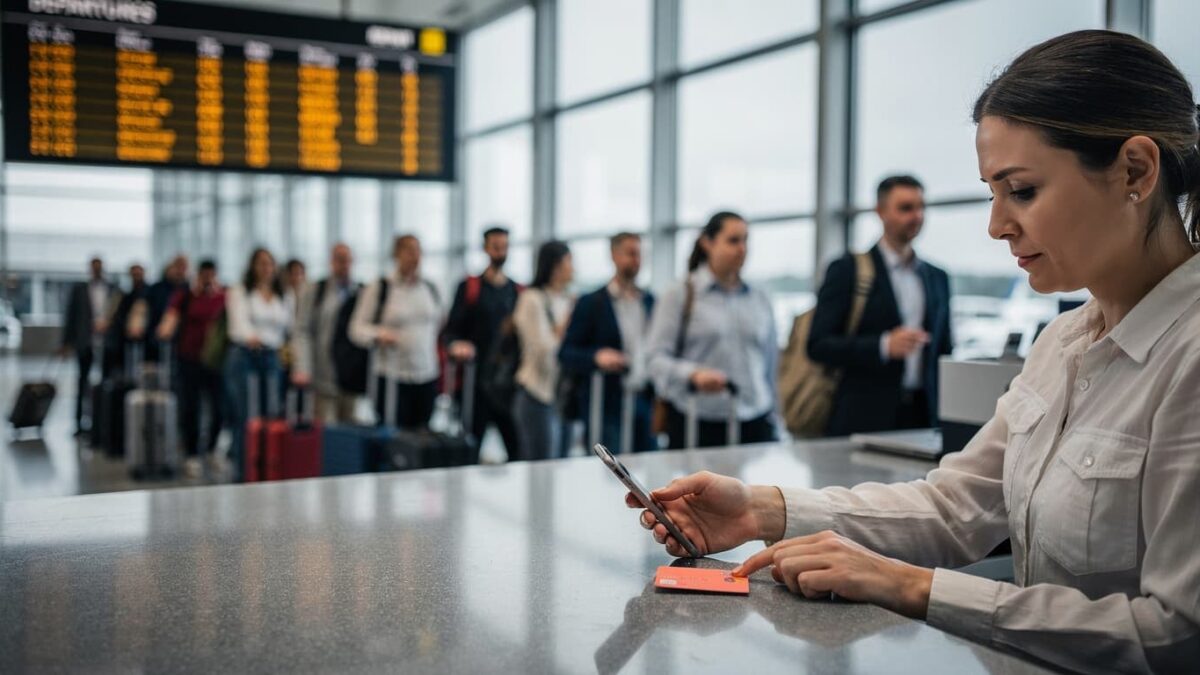
Jet fuel prices surged 58% in one week following US and Israeli strikes on Iran, prompting Qantas, Air India, Cathay Pacific, Air France-KLM, Air New Zealand, and several other carriers to implement fare increases and fuel surcharges starting March 10–12, 2026. Air India rolled out three-phase surcharges reaching up to $50 additional on North America routes after March 18, while Qantas reports 90% load factors on Europe routes — 15 percentage points above normal — as travelers rush to book before further hikes.
The headline naming Emirates, Qatar Airways, Lufthansa, Delta, Etihad, and IndiGo could not be verified — no confirmed fare increases from these carriers appear in industry reporting as of March 12. The verified airlines affect all three ATC departure regions: Australian travelers face the steepest impact on Europe routes, North American travelers see surcharges on Air India transatlantic flights, and European travelers booking long-haul through Air France-KLM pay higher base fares.
Crude oil hit near $120 per barrel after military strikes on Iranian energy infrastructure, sending jet fuel from the typical $85–90 range to $150–200 per barrel within days. Airlines that hedge fuel costs months in advance now face spot-market purchases at double the budgeted rate — and they are passing the difference directly to ticket buyers.
Qantas moved first on international routes, with CEO statements citing fuel as the primary driver. Europe-bound flights from Sydney are running at capacity rarely seen outside peak holiday windows. Cathay Pacific told investors March fuel costs doubled compared to prior months, with Sydney–London economy fares exceeding $25,000 AUD in some booking classes.
Air India formalized the most transparent surcharge structure: tickets issued for India, Western Asia, and Middle East routes carry the first-phase increase starting March 12, with Europe, North America, and Australia routes seeing surcharges rise to $200 on US flights after March 18. Air France-KLM raised long-haul fares for all tickets issued from March 11 forward, while Air New Zealand added NZ$90 to long-haul one-way economy fares.
How the fuel spike translates to your ticket
Fuel accounts for 25–35% of an airline’s operating cost — the single largest variable expense. When crude jumps 40% in a week, carriers absorb the first wave through existing hedge contracts, then begin spot-market purchases at the new rate. The lag between oil price movement and fare adjustment is typically 7–14 days, which places the current round of increases directly in line with the March 3–5 strike timeline.
The Middle East supplies roughly 25–30% of regional jet fuel, and conflict-driven supply disruptions compound the price effect. Rerouting around closed or restricted airspace — a pattern established during Russia airspace closures — adds 60–90 minutes to Asia–Europe flights, burning more fuel per passenger and tightening aircraft utilization.
| Airline | Route type | Increase amount | Effective date |
|---|---|---|---|
| Air India | North America | $150 → $200 | March 18 |
| Air New Zealand | Long-haul | +NZ$90 one-way | March 10 |
| Qantas | International (Europe) | Variable | March 10 |
| Cathay Pacific | Sydney–London | $25,000+ AUD | March 11 |
| Air France-KLM | Long-haul | Base fare increase | March 11 |
Why this round hits harder than 2022
The 2022 Russia–Ukraine oil shock sent crude to similar levels, but airlines had more capacity cushion to absorb demand without immediate fare hikes. Post-pandemic recovery meant load factors in the 65–75% range — room to raise prices gradually. Today, Qantas reports 90% loads on Europe routes, and Thai Airways warned of limited ticket availability in the next two weeks. Tight capacity means airlines can push through higher fares without losing bookings.
The second difference: Middle East airspace. In 2022, European carriers rerouted around Russia but kept Gulf hub access intact. Now, uncertainty around Iranian airspace and potential escalation near Gulf hubs like Dubai and Doha creates dual pressure — higher fuel costs and constrained routing options. SAS has already announced temporary schedule adjustments to protect operational reliability.
Lock in fares before the next phase
Fuel surcharges are climbing in stages — Air India‘s three-phase rollout is the template other carriers will follow if oil stays above $110.
- Book by March 17 if traveling on Air India to North America, Europe, or Australia — the $200 surcharge tier activates March 18.
- Monitor Cathay Pacific and Qantas for formal surcharge announcements expected within 7 days — both CEOs confirmed increases are imminent.
- Use fare alerts on Google Flights or Kayak for your specific route — some carriers are raising base fares instead of adding visible surcharges, making comparison harder.
- Check alliance partners — if your preferred carrier has raised fares, a codeshare or alliance partner may still honor pre-increase pricing for 24–48 hours.
Watch: IATA publishes weekly jet fuel price indices — if crude drops below $100 and holds for two weeks, airlines historically pause further surcharge phases.
Are fuel surcharges refundable if I cancel my ticket?
Fuel surcharges are part of the total ticket price and follow the same refund rules as the base fare. If you bought a non-refundable economy ticket, the surcharge is non-refundable. If you bought a flexible or business class fare with refund terms, the surcharge refunds with the ticket. Check your fare rules on the airline’s website or call before assuming refundability.
Will airlines that haven’t raised fares yet follow the same pattern?
Likely, but timing varies by hedging strategy. Airlines that locked in fuel contracts months ago can delay surcharges until those contracts expire — typically 60–90 days. Carriers with less hedging or those buying fuel on the spot market move faster. If an airline serves the same routes as those already raising fares and faces the same fuel costs, expect an announcement within 2–3 weeks.
Does travel insurance cover fare increases after I book?
No. Standard travel insurance covers trip cancellation, medical emergencies, and delays — not fare differences or surcharges added after your ticket is issued. If you book today at the current price, you are locked in regardless of future increases. If you have not booked yet and fares rise before you purchase, insurance will not reimburse the difference.