Middle East airspace closures ground tens of thousands of flights, Asia-Europe fares triple

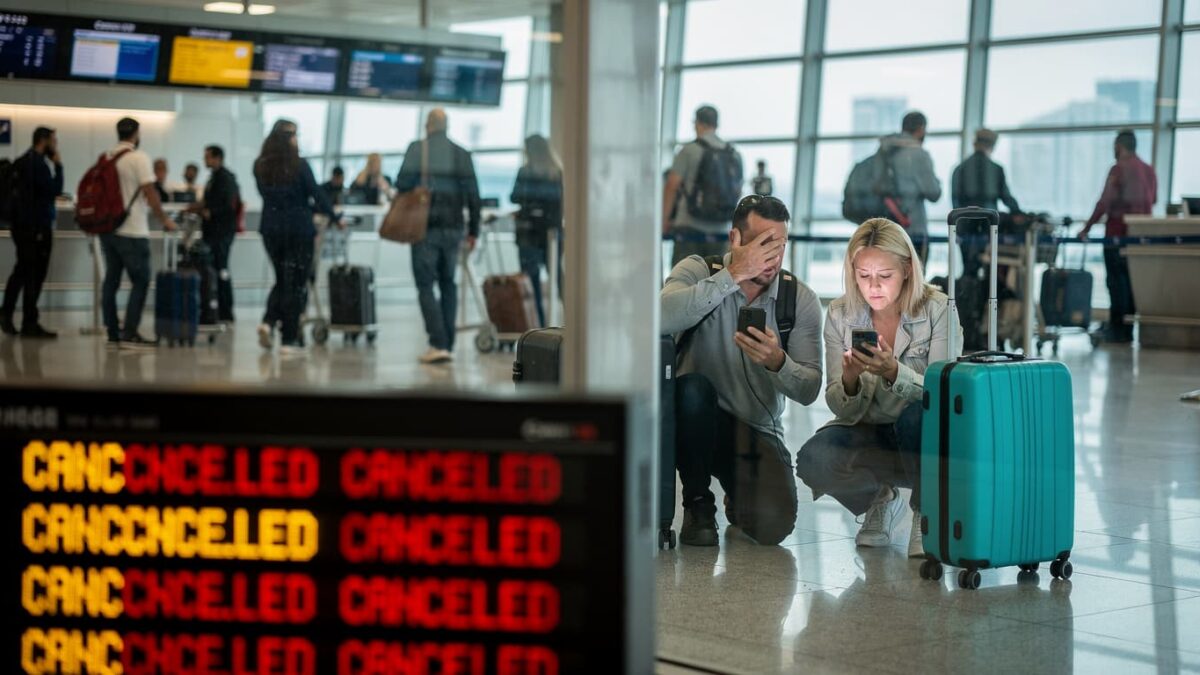
Emirates, Etihad Airways, and Qatar Airways suspended all flights from their Dubai, Abu Dhabi, and Doha hubs on February 28–March 1, 2026 following cross-border strikes and airspace closures across the UAE, Qatar, Iran, Israel, and Lebanon. By March 6–7, Emirates and Etihad resumed limited operations to 82 destinations and select long-haul routes respectively, but travelers with bookings through March 22 face cancellations, reroutes adding 90–120 minutes to Europe-Asia flights, and disrupted connections through the Gulf.
Most major carriers now offer fee-free rebooking or refunds through airline-specific waivers. Flights from North America to Asia-Pacific via Pacific routes remain largely unaffected, but Europe-Asia and Australia-Middle East itineraries continue to see delays and cancellations as airlines avoid Iranian, Iraqi, and Israeli airspace.
Hostilities between Iran, Israel, and the United States that began on February 28, 2026 triggered the most severe disruption to Middle East aviation since the 2020 pandemic, shutting down the world’s busiest international hubs and stranding tens of thousands of passengers mid-journey.
Dubai International Airport (DXB) and Al Maktoum International (DWC) halted all commercial operations indefinitely on March 1, canceling more than 700 flights in the first 48 hours. Qatar closed Hamad International Airport (DOH) entirely to civilian traffic, while Iran shut all airports to non-military operations. Israel’s Ben Gurion Airport (TLV) remained closed to commercial flights through at least March 3.
Emirates suspended all Dubai departures and arrivals as of March 1. Etihad Airways halted Abu Dhabi (AUH) operations the same day, reviewing resumption plans past March 1, 1400 UTC. Qatar Airways grounded its entire Doha-based network until further notice.
Which airlines resumed flights and which remain grounded
By March 6–7, partial service returned to the UAE. Etihad resumed limited flights from Abu Dhabi to Cairo, Delhi, London Heathrow, Frankfurt, New York JFK, Paris CDG, Toronto, and Zurich through March 19. Emirates restarted operations to 82 destinations including Sydney, Singapore, and New York, though at reduced frequency compared to pre-crisis schedules.
Air Canada suspended Tel Aviv and Dubai service through March 22, with resumption planned for March 23. KLM and Air France continue avoiding Iranian, Iraqi, and Israeli airspace, issuing individual waivers for affected bookings. Delta Air Lines and United Airlines published comprehensive Middle East waivers covering multiple airports across the region.
Singapore Airlines canceled all Dubai and Jeddah flights through March 7, rerouting Europe-bound services via southern corridors that add 90–120 minutes to flight times. Cathay Pacific suspended all Middle East routes — including Dubai, Riyadh, and Tel Aviv — until further notice. One Malaysia Airlines flight (MH160) bound for Doha turned back mid-flight, while another (MH156) diverted to Chennai after the airspace closure took effect.
| Airline | Suspended routes | Status as of March 7 | Waiver period |
|---|---|---|---|
| Emirates | All Dubai (DXB/DWC) | Resumed to 82 destinations | Ongoing |
| Etihad Airways | All Abu Dhabi (AUH) | Limited service to 8 cities | Through March 19 |
| Qatar Airways | All Doha (DOH) | Suspended | Until further notice |
| Air Canada | Tel Aviv, Dubai | Suspended | Through March 22 |
| Singapore Airlines | Dubai, Jeddah | Suspended | Through March 7 |
| Cathay Pacific | Dubai, Riyadh, Tel Aviv | Suspended | Until further notice |
The disruption mirrors the 2022 Russia-Ukraine airspace closures that forced Europe-Asia reroutes adding 1–2 hours to flight times. Gulf hubs like Dubai and Doha handle approximately one-third of Europe-Asia traffic and more than half of EU-Australia/New Zealand connections, according to Cirium data — amplifying the impact beyond what headline flight counts suggest.
Between the lines
The schedule filings tell a story the press releases don’t. Emirates resumed service to 82 destinations — not the full pre-crisis network of 140+ — which means the carrier is prioritizing long-haul trunk routes over regional spokes. Sydney, Singapore, and New York made the cut. Colombo, Muscat, and secondary European cities did not.
Etihad’s resumption to exactly eight cities through March 19 suggests the airline is operating aircraft that were already positioned outside Abu Dhabi when the closure hit, rather than a full operational restart. The March 19 cutoff likely reflects crew duty-time limits and the need to reposition aircraft before the next wave of schedule changes.
How reroutes affect Europe-Asia and Australia-Middle East flights
Airlines avoiding Iranian, Iraqi, and Israeli airspace now route Europe-Asia flights via southern corridors over Saudi Arabia and India, or via Pacific paths that bypass the Middle East entirely. Singapore Airlines Europe services add 90–120 minutes to published flight times. Carriers repositioning aircraft to alternate hubs like Mumbai and Delhi face slot constraints at those airports, creating cascading delays.
Australian and New Zealand travelers lose key transit options through Doha and Dubai — routes that Qantas codeshares rely on for European connections. Rerouting via Singapore or Bangkok adds 2–3 hours to total journey time. European passengers on flights delayed more than three hours qualify for EU261 compensation of €250–€600 depending on distance. US and Canadian travelers can request DOT-mandated refunds for delays exceeding six hours, but receive no cash compensation beyond the ticket refund.
Air Canada offers the most flexible North American waiver, covering rebooking or refunds through March 23 for any itinerary touching Tel Aviv or Dubai. KLM and Air France issue individual waivers rather than blanket policies, requiring passengers to contact the airline directly to confirm eligibility.
The invisible wall expands
This crisis adds a second major airspace restriction to the “invisible wall” that already forces most Western carriers to avoid Russian airspace. Flights from Europe to Asia now navigate a narrow corridor between two closed zones — Russia to the north, the Middle East conflict area to the south.
The operational impact compounds: airlines that previously rerouted southward to avoid Russia now face closures in that southern corridor too, leaving Pacific routings as the only viable alternative for some city pairs. That’s why North America-Asia Pacific routes via the Pacific remain largely unaffected — they never relied on Middle East airspace in the first place.
What to do if you have a Middle East booking
Check your airline’s waiver page immediately. Emirates (emirates.com), Etihad (etihad.com), and Air Canada (aircanada.com) allow fee-free rebooking or full refunds for affected itineraries through March. Most waivers apply automatically — you do not need to wait for the airline to contact you.
Rebook to Pacific routings if your schedule allows. Flights from North America to Asia via Pacific routes (San Francisco–Tokyo, Los Angeles–Singapore) face minimal disruption. If you’re traveling from Europe to Asia and flexibility permits, consider repositioning to a North American gateway for a Pacific crossing rather than waiting for Middle East airspace to reopen.
Monitor FlightAware or your airline’s app for real-time reroute notifications. Expect +90 minutes on Europe-Asia flights using southern corridors. If your connection time was already tight, the reroute may cause a misconnect — contact the airline before departure to request rebooking to a later connection.
EU travelers: file EU261 claims if your flight is delayed more than 3 hours or canceled. Use the airline’s online claim portal. US and Canadian travelers: request a DOT refund if your delay exceeds 6 hours or your flight is canceled without acceptable rebooking options.
Watch: Qatar Airways’ schedule filings for Doha resumption dates — the carrier has not published a restart timeline, and Hamad International Airport remains closed to civilian traffic as of March 7. Any resumption will likely begin with limited long-haul routes to Europe and Asia before regional services restart.
Are flights from North America to Asia affected by the Middle East airspace closures?
North America-Asia Pacific routes via the Pacific Ocean (San Francisco–Tokyo, Los Angeles–Singapore, Vancouver–Hong Kong) remain largely unaffected because they do not use Middle East airspace. Flights from North America to Asia via Middle East hubs (connecting through Dubai, Doha, or Abu Dhabi) face cancellations or reroutes — check your airline’s waiver policy if your itinerary includes a Gulf connection.
Can I get a refund if my flight was rerouted but not canceled?
US and Canadian travelers can request a full refund if the reroute causes a delay exceeding 6 hours or changes your itinerary significantly (different departure/arrival airport, additional connections). European travelers qualify for EU261 compensation of €250–€600 if the rerouted flight arrives more than 3 hours late, but the compensation does not replace your ticket — you still travel on the rerouted flight unless you separately request a refund under the airline’s waiver.
How long will the airspace closures last?
No official end date has been published. Dubai and Abu Dhabi partially reopened by March 6–7 with limited airline service, but Qatar’s Doha hub remains fully closed as of March 7. Iran and Israel have not announced civilian airspace reopening timelines. Airlines are issuing waivers through March 19–23, which suggests carriers expect disruptions to continue at least through late March.
What happens if I have a connecting flight through Dubai or Doha?
If your booking was made as a single ticket and your connection is no longer operating, the airline must rebook you on an alternative routing at no additional cost or offer a full refund. If you booked separate tickets (e.g., a US-Dubai flight on one ticket, Dubai-Asia on another), each airline is only responsible for its own segment — you may lose the second ticket if the first flight is canceled or delayed, with no automatic rebooking or refund from the second carrier.