
Asia aviation chaos: 2,024 flights delayed, 137 canceled across five major hubs today

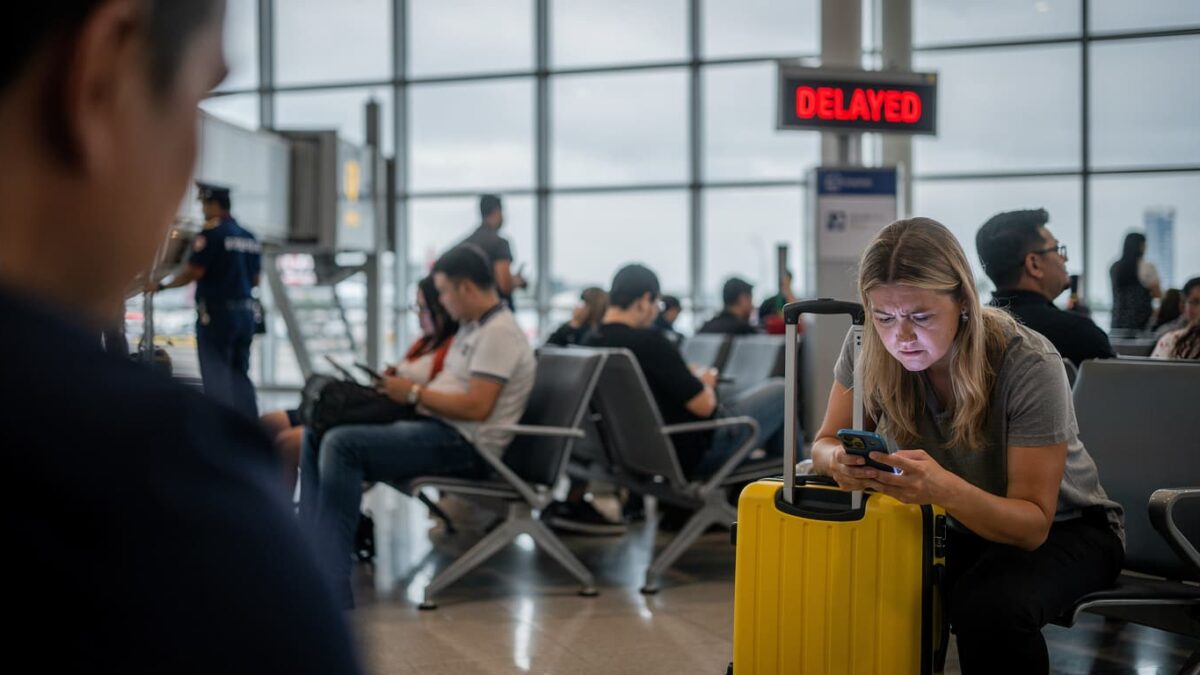
Asia’s aviation network logged 2,024 flight delays and 137 cancellations today across Delhi, Jakarta, Bangkok, Beijing, and Singapore, driven by monsoon weather, Middle East airspace restrictions, and post-COVID staffing shortages. IndiGO leads disruptions with 221 delays at Delhi alone, while Air China canceled 25 flights at Beijing Capital. Qatar Airways and Emirates face ripple effects on Asia-Middle East routes as geopolitical tensions force longer flight paths.
The chaos spans regional carriers and long-haul operators — Thai Airways delayed 92 flights at Bangkok, Batik Air 89 at Jakarta. Delhi’s fog season compounds the problem: travelers connecting through India’s busiest hub should expect 4–6 hour buffer windows through April.
Thousands of travelers across Asia woke to canceled flights and multi-hour delays today as a convergence of weather, geopolitics, and operational strain grounded aircraft from Delhi to Singapore.
2,024 flights delayed. 137 canceled. The disruptions hit hardest at Delhi’s Indira Gandhi International Airport, where 548 delays and 1 cancellation paralyzed IndiGO’s domestic network. Jakarta followed with 359 delays and 5 cancellations, Bangkok logged 295 delays, and Beijing Capital saw 39 cancellations — the highest cancellation rate in the region.
The causes are layered. Monsoon rains batter Southeast Asia. Middle East airspace closures — triggered by escalating tensions that have already canceled 2,325 flights since February 28 — force carriers like Qatar Airways and Emirates onto longer routes, compressing schedules. Staff shortages, a hangover from COVID recovery, leave airlines unable to absorb weather delays.
Which airlines and airports are hit hardest
IndiGO dominates India’s domestic market and bore the brunt: 221 delays, nearly all at Delhi. Air India added 172 delays across its network. Thai Airways delayed 92 flights at Bangkok Suvarnabhumi, while Singapore Airlines — typically punctual — logged 56 delays at Changi.
Indonesia’s carriers struggled with Jakarta’s congestion and weather. Batik Air delayed 89 flights, Garuda Indonesia 34. Air China led cancellations with 25 flights scrubbed at Beijing, adding 45 delays on top.
For travelers connecting through the Middle East, Qatar Airways and Emirates face schedule compression as airspace closures force detours that add 2–4 hours to Asia-Europe routes. A Doha–Bangkok flight that once tracked northeast now arcs south, tightening turnaround windows and cascading delays across the network.
The full scope: Delhi (548 delays, 1 cancellation), Jakarta (359 delays, 5 cancellations), Bangkok (295 delays, 3 cancellations), Beijing (86 delays, 39 cancellations), Singapore (56 delays, 2 cancellations). Regional hubs like Manila and Kuala Lumpur reported smaller but growing disruption counts as the day progressed.
Why Delhi leads Asia’s delay charts
Delhi handles 1,400+ daily flights — more than any South Asian airport — but operates near capacity with limited runway expansion options. Winter fog season, which runs November through March, compounds the problem: visibility drops below 50 meters on peak mornings, grounding departures for hours.
IndiGO’s hub-and-spoke model concentrates 40% of its domestic network through Delhi, meaning a single weather event ripples across 200+ city pairs. The airline’s tight 25-minute turnarounds leave zero buffer when delays hit.
What’s driving the chaos beyond weather
Middle East geopolitical tensions widened airspace restrictions across the Gulf and Iran, forcing carriers to reroute. Qatar Airways and Emirates — which funnel 60% of Europe-Asia traffic through Doha and Dubai — now fly longer paths that eat into schedule slack. A Frankfurt–Singapore flight via Doha that once took 12 hours now runs 13.5, compressing crew rest periods and aircraft utilization.
The numbers tell the story: 2,325 flights canceled across the Middle East since February 28, per CNBC tracking. That’s not just regional disruption — it’s a bottleneck for the 40 million annual passengers who connect through Gulf hubs to reach Asia-Pacific.
Staffing shortages persist across Asia’s carriers. Post-COVID hiring hasn’t kept pace with demand recovery, leaving airlines unable to absorb weather delays with reserve crews. When a Bangkok-bound flight from Delhi sits on the tarmac for 90 minutes due to fog, there’s no backup crew to take the next rotation — the delay compounds.
Monsoon season, which typically peaks in June–September, arrived early this year across Southeast Asia. Jakarta logged 180mm of rain in the past 72 hours, flooding taxiways and forcing ground stops. Bangkok’s Suvarnabhumi Airport reported wind shear warnings on three runways this morning, delaying 40 departures in a two-hour window.
What travelers should do right now
Check your flight status before leaving for the airport. Use your airline’s app or FlightStats Asia’s real-time tracker — don’t rely on departure boards, which lag by 20–30 minutes during mass disruptions.
Enable flight alerts via FlightAware or your airport’s app. Delhi, Bangkok, and Jakarta airports push gate change and delay notifications faster than airline customer service can call passengers.
If you’re connecting through Delhi between now and April, build a 4–6 hour buffer. Fog season doesn’t end until late March, and tight connections through India’s busiest hub carry high miss risk when weather compounds operational delays.
Qatar Airways and Emirates passengers: use Manage Booking to reroute if your delay exceeds 3 hours. EU passengers on these carriers can claim EU261 compensation for delays over 3 hours caused by non-weather factors like staffing or airspace closures. US and Canadian passengers have weaker protections but can request rebooking on partner airlines.
Watch: Beijing Capital’s cancellation rate — 31% of disruptions today were full cancellations, the highest in Asia. If you’re booked through PEK in the next 48 hours, monitor Air China’s schedule filings for frequency cuts.
Are Middle East carriers still flying to Asia despite airspace closures?
Yes. Qatar Airways and Emirates continue full Asia operations but fly longer routes that avoid restricted airspace over Iran and parts of the Gulf. This adds 2–4 hours to Europe-Asia connections via Doha or Dubai, compressing schedules and increasing delay risk when weather or operational issues arise.
Which Asian airports have the worst delay records right now?
Delhi leads with 548 delays today, driven by fog season and IndiGO’s hub concentration. Jakarta follows with 359 delays due to monsoon rains and taxiway flooding. Bangkok logged 295 delays from wind shear warnings. Beijing had the highest cancellation rate at 31% of total disruptions.
Can I claim compensation for these delays?
EU passengers on any carrier departing from or arriving in the EU can claim EU261 compensation for delays over 3 hours caused by non-weather factors like staffing shortages or airspace closures. Weather delays are exempt. US and Canadian passengers have limited rights — airlines must offer rebooking but rarely pay cash compensation unless the delay stems from controllable issues like maintenance.
How long will these disruptions last?
Weather-related delays in Southeast Asia will persist through monsoon season, which typically runs until September but started early this year. Delhi fog season ends in late March. Middle East airspace restrictions have no clear end date — they’ve been in effect since late February and depend on geopolitical developments. Staffing shortages are a multi-year recovery issue with no quick fix.
