

Bhutan: New 5% GST on services adds to travel costs — effective January 1, 2026

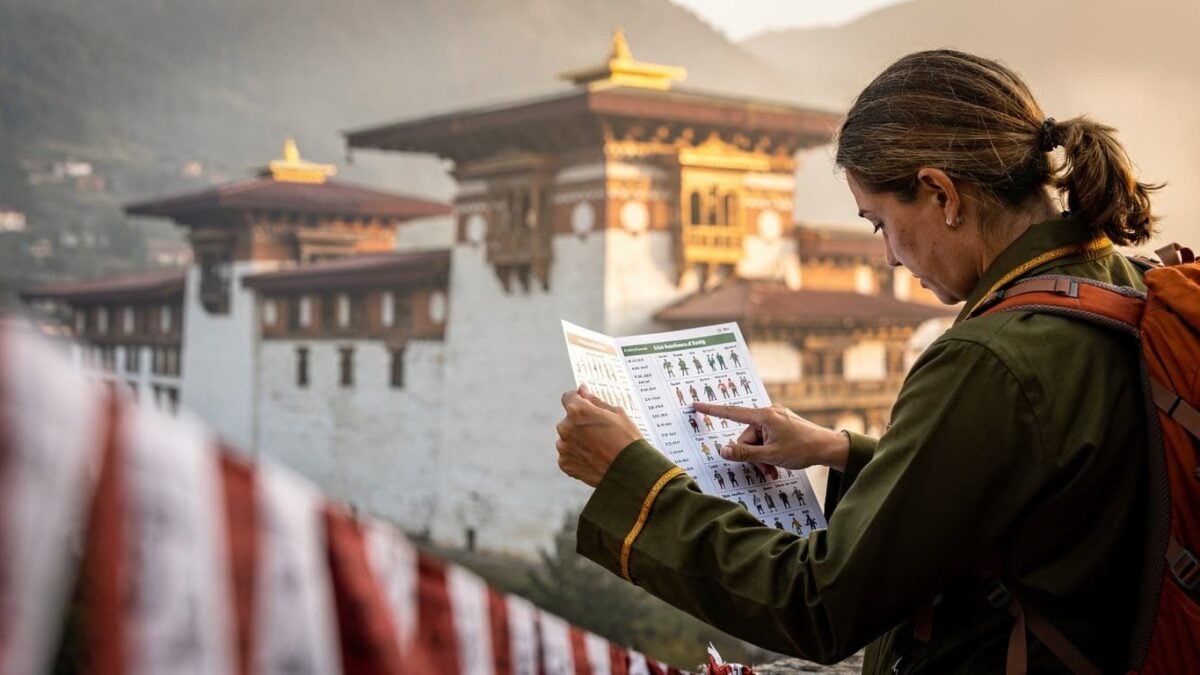
Bhutan implemented a 5% Goods and Services Tax on all tourism services effective January 1, 2026. The tax applies to hotels, guides, in-country transport, and meals for all international visitors, adding approximately 2-5% to total ground costs depending on package composition. The US$100 daily Sustainable Development Fee and US$40 visa fee remain exempt from GST.
The new tax replaces Bhutan’s previous 10% sales tax on hotels and restaurants, potentially lowering some costs while adding taxation to previously untaxed services like guides and transport. Tour operators must itemize GST separately on invoices, and travelers should verify quotes include the new charge when budgeting 2026 trips.
International travelers booking Bhutan trips for 2026 face a new 5% tax on ground services that took effect January 1. The Goods and Services Tax applies to hotels, tour guides, domestic transport, and meals consumed in-country — services that form the core of Bhutan’s mandatory guided tourism model.
The tax affects all international tourists regardless of nationality. Travelers should request itemized quotes from licensed tour operators confirming GST inclusion and compare 2025 versus 2026 package pricing to understand the actual cost impact on their specific itinerary.
The change is part of Bhutan’s broader tax modernization. While the headline rate is 5%, the net increase to total trip costs varies by package composition because the GST replaces a previous 10% sales tax that applied only to hotels and restaurants.
How the tax structure changed
Bhutan’s new GST consolidates what was previously a fragmented system. The Royal Government replaced a 10% sales tax on accommodations and dining with a uniform 5% rate across all tourism services, including elements like guides and transport that carried no tax before 2026.
The US$100 daily Sustainable Development Fee remains completely separate and exempt from GST. The US$40 visa fee also carries no GST charge. These two costs — which form the largest portion of Bhutan trip expenses — are unchanged by the new tax.
Tour operators must register for GST if their annual turnover exceeds Nu. 5 million (approximately US$60,000). The official GST Rules 2026 from Bhutan’s Ministry of Finance took effect on the 13th day of the 11th month of the Wood Female Snake Year — January 1, 2026 in the Gregorian calendar — and supersede all prior sales tax regulations nationwide.
For hotels and restaurants, the effective tax burden dropped from 10% to 5%. For guide services, domestic flights on Drukair or Bhutan Airlines within the country, and ground transport, the 5% GST represents a new cost where none existed before.
What this means for your trip budget
The net impact on total package costs typically ranges from 2% to 5% depending on itinerary composition. A trip heavy on hotel nights may see minimal increase or even slight savings, since accommodation tax dropped from 10% to 5%. A trek-focused itinerary relying heavily on guides and porters will absorb the full 5% on those previously untaxed services.
Tour operators like Windhorse Tours and Breathe Bhutan report that most packages will see a modest net increase rather than a straight 5% jump. The key variable is the ratio of hotel costs to guide and transport costs in your specific booking.
Air Traveler Club’s flight options to Bhutan from Australasia remain unaffected by GST, as the tax applies only to services consumed within Bhutan. International airfares to Paro via Bangkok, Delhi, or Singapore carry no GST charge.
Travelers transiting through Delhi should note important visa requirements that can complicate connections, separate from the GST issue but critical for trip planning.
Why Bhutan switched tax systems
The GST modernizes Bhutan’s revenue collection and aligns with international tax standards. The previous sales tax applied inconsistently — hotels and restaurants paid 10%, but guide services and transport carried no tax at all. The new 5% uniform rate simplifies compliance for tour operators and creates transparent pricing for travelers, even if it adds a small cost to some trip components.
What to do when booking
Request itemized quotes from Bhutan-licensed tour operators that separately list GST charges on each service component. Verify the quote excludes the Sustainable Development Fee and visa fee from GST calculation.
Compare 2025 versus 2026 packages if booking flexibility exists. Travelers who can complete trips before year-end 2025 avoid the GST entirely, though morning flight availability to Paro during peak season may limit last-minute options.
Use the official tourism directory at tourism.gov.bt to verify operator licensing. Only licensed operators can legally arrange Bhutan trips, and legitimate operators will provide clear GST breakdowns on invoices as required by the new rules.
Budget the net increase at 3-4% of ground costs for typical itineraries. A US$5,000 package (excluding SDF and visa) will likely see US$150-200 in additional GST charges, not a full US$250 if the package includes significant hotel components where tax actually decreased.
Does GST apply to international flights into Bhutan?
No. The 5% GST covers only services consumed within Bhutan. International airfares on carriers like Drukair, Bhutan Airlines, or connecting flights via Bangkok or Delhi remain exempt. The tax applies once you land in Paro and begin using hotels, guides, and ground transport.
Will my tour package cost exactly 5% more in 2026?
Not necessarily. Hotels and restaurants previously paid 10% sales tax, now reduced to 5% under GST. Guide services and transport now carry 5% tax where none existed before. The net increase depends on your package composition — typically 2-4% for balanced itineraries, potentially higher for guide-intensive treks.
Can tourists claim GST refunds when leaving Bhutan?
No. Bhutan’s GST Rules 2026 contain no provisions for tourist tax refunds on services consumed in-country. The 5% charge on hotels, guides, transport, and meals is final and non-refundable, unlike VAT refund schemes in some other countries.
Does the Sustainable Development Fee increase because of GST?
No. The US$100 daily Sustainable Development Fee is explicitly exempt from GST and remains unchanged at US$100 per night for most tourists (US$50 for children). The US$40 visa fee also carries no GST. These two costs, which typically exceed ground service costs on shorter trips, are unaffected by the new tax.
How do I verify my operator included GST correctly?
Request an itemized invoice showing GST calculated separately on each service component — hotel nights, guide days, vehicle rental, meals. The invoice should show zero GST on the SDF and visa fee lines. Contact Bhutan’s tourism council via tourism.gov.bt if an operator refuses to provide this breakdown or applies GST to exempt items.