

Sri Lanka recorded 13,416 dengue fever cases in the first two months of 2026, with Western Province including Colombo accounting for over half of infections. The surge follows Cyclone Ditwah flooding in late 2025, creating breeding conditions for Aedes mosquitoes across 41 high-risk health divisions. Daily case rates in early January averaged 240 infections—more than double the same period in 2025.
The Southwest Monsoon onset could drive further increases through mid-2026. This warning covers mosquito bite prevention, symptom monitoring, and accommodation choices for all travelers regardless of trip purpose or duration.
Health authorities in Sri Lanka confirmed a 31% year-on-year increase in dengue cases for January 2026, with 6,521 infections reported compared to 4,970 the previous year. By late February, the National Dengue Control Unit tallied 13,416 cases—a pace that could exceed 2025’s full-year total of 51,479 if sustained through monsoon season.
The spike stems from November-December 2025 flooding caused by Cyclone Ditwah, which left stagnant water in schools, government buildings, places of worship, and abandoned lands. Aedes mosquito larvae mature in 7-10 days in Sri Lanka’s tropical climate, turning post-flood pools into breeding hotspots.
Travelers to Colombo, Gampaha, and surrounding Western Province districts face the highest exposure. The government launched intensified fogging operations and breeding site elimination campaigns, but case numbers continue climbing as the region enters its wettest months.
How the current outbreak compares
The first nine days of 2026 alone produced 2,170 cases—a daily average of 240 infections. By day 14, the total reached 3,478 cases, far outpacing early 2025 when the entire month of January recorded 4,970 cases. Western Province contributed 9,480 of the 13,416 cases reported through late February, with Colombo district showing the densest concentration.
No deaths were specified in official reports through February, but the National Dengue Control Unit flagged 41 Medical Officer of Health divisions as high-risk zones. These areas include flood-affected rural sites where abandoned buildings and uncovered water storage containers create ideal mosquito habitats.
The surge follows a pattern seen in previous post-monsoon periods, though 2026’s early numbers suggest a more severe outbreak. Sri Lanka’s dengue is endemic year-round, but serotype shifts—such as DEN-2 dominance in past surges—can heighten severe secondary infections in travelers who’ve had dengue before. The National Dengue Control Unit warned that Southwest Monsoon onset could push case counts toward record levels if breeding sites aren’t eliminated.
Why repeat infections matter
Dengue has four serotypes. A second infection with a different strain carries higher risk of severe dengue hemorrhagic fever than a first infection. Travelers who’ve had dengue in Thailand, Indonesia, or other endemic regions face elevated risk in Sri Lanka if exposed to a different serotype—unlike chikungunya, dengue has no specific antiviral treatment, relying entirely on symptom management and hydration.
How dengue spreads in flood zones
Dengue spreads exclusively through Aedes aegypti and Aedes albopictus mosquitoes, which thrive in stagnant water left by heavy rains or flooding. Cyclone Ditwah’s November-December 2025 deluge created thousands of breeding sites across Western Province, from flower pots and discarded tires to roof gutters and construction debris.
Mosquito larvae mature in 7-10 days in Sri Lanka’s 25-30°C temperatures, meaning a single flooded container can produce hundreds of adult mosquitoes within two weeks. Unlike malaria-carrying mosquitoes that bite at night, Aedes species are most active at dawn (5-7 AM) and dusk (5-7 PM)—peak hours when travelers are often outdoors at markets, temples, or coastal areas.
The government identified breeding sites in schools, government offices, and places of worship, launching fogging operations and public awareness campaigns. However, abandoned lands and informal settlements remain difficult to monitor, sustaining transmission even as official sites are treated.
For travelers considering flights to Sri Lanka from Australasia, the outbreak doesn’t require trip cancellation but demands strict precautions—especially for families with young children or travelers with prior dengue exposure.
What to do before and during your trip
Before departure: Purchase travel insurance covering medical evacuation. Dengue can progress to severe hemorrhagic fever requiring hospitalization, and private clinics in Colombo charge $200-500 per day for inpatient care. Check the CDC Travelers’ Health page for Sri Lanka updates within 48 hours of departure.
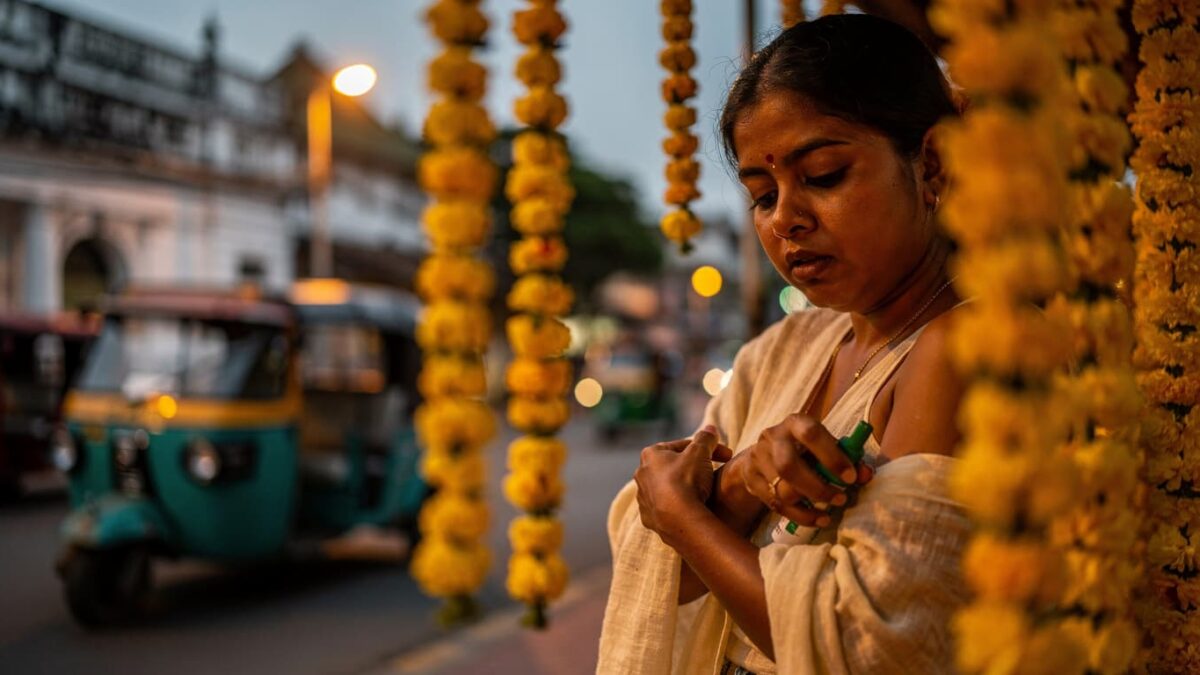
Repellent and clothing: Use EPA-registered repellents with 20-30% DEET or picaridin. Reapply every 4-6 hours, especially after swimming or sweating. Wear long-sleeved shirts and long pants treated with permethrin during dawn and dusk hours. Children under three months should not use DEET—rely on mosquito netting over strollers instead.
Accommodation choices: Book air-conditioned hotels or guesthouses with screened windows. Inspect rooms for standing water in flower vases, bathroom drains, or balcony planters. If staying in rural areas or eco-lodges, use bed nets treated with insecticide and request staff eliminate any water containers near your unit.
Symptom monitoring: Dengue symptoms appear 4-10 days post-bite: sudden high fever, severe headache, pain behind the eyes, joint and muscle pain, rash. Seek immediate medical care if you develop severe abdominal pain, persistent vomiting, bleeding gums, or difficulty breathing—these signal dengue hemorrhagic fever. Inform doctors of your Sri Lanka travel dates, as early diagnosis improves outcomes.
Are dengue vaccines available for US, EU, or Australian travelers?
No licensed dengue vaccine is available for most visitors. Dengvaxia is restricted to individuals with prior confirmed dengue infection, and TAK-003 remains in trials without routine approval. Prevention through mosquito bite avoidance is the only reliable protection for first-time visitors to Sri Lanka.
Which areas beyond Colombo should I avoid in Sri Lanka?
All 41 high-risk Medical Officer of Health divisions flagged by authorities, concentrated in Western Province districts including Gampaha and flood-affected rural zones. Abandoned buildings, construction sites, and informal settlements pose the highest exposure. Coastal areas like Negombo and Galle also report cases, though at lower rates than Colombo metro.
How does the 2026 outbreak compare to previous years?
The 13,416 cases in two months exceed early 2025 totals but trail the full-year 2025 count of 51,479. If the Southwest Monsoon drives sustained transmission through mid-2026, annual cases could approach or surpass 2017’s record of over 186,000 infections. Daily case rates in early January 2026 ran 2-3 times higher than the same period in 2025.
Can I still visit Sri Lanka safely during this outbreak?
Yes, with strict precautions. Dengue is endemic year-round in Sri Lanka—the current surge increases risk but doesn’t make travel impossible. Stay in screened or air-conditioned accommodations, apply repellent religiously at dawn and dusk, and avoid outdoor activities during peak mosquito hours. Families with infants or travelers with prior dengue infections should consult a travel medicine clinic before departure.
What should I do if I develop symptoms after returning home?
Seek medical care immediately if you develop fever within two weeks of leaving Sri Lanka. Inform your doctor of travel dates and dengue exposure—early blood tests can confirm infection and guide treatment. Avoid aspirin and ibuprofen, which increase bleeding risk; use acetaminophen for fever. Severe dengue requires hospitalization for IV fluids and monitoring, so don’t delay care if symptoms worsen.