
Micronesia: Book before July-November typhoon season — high risk of disruption

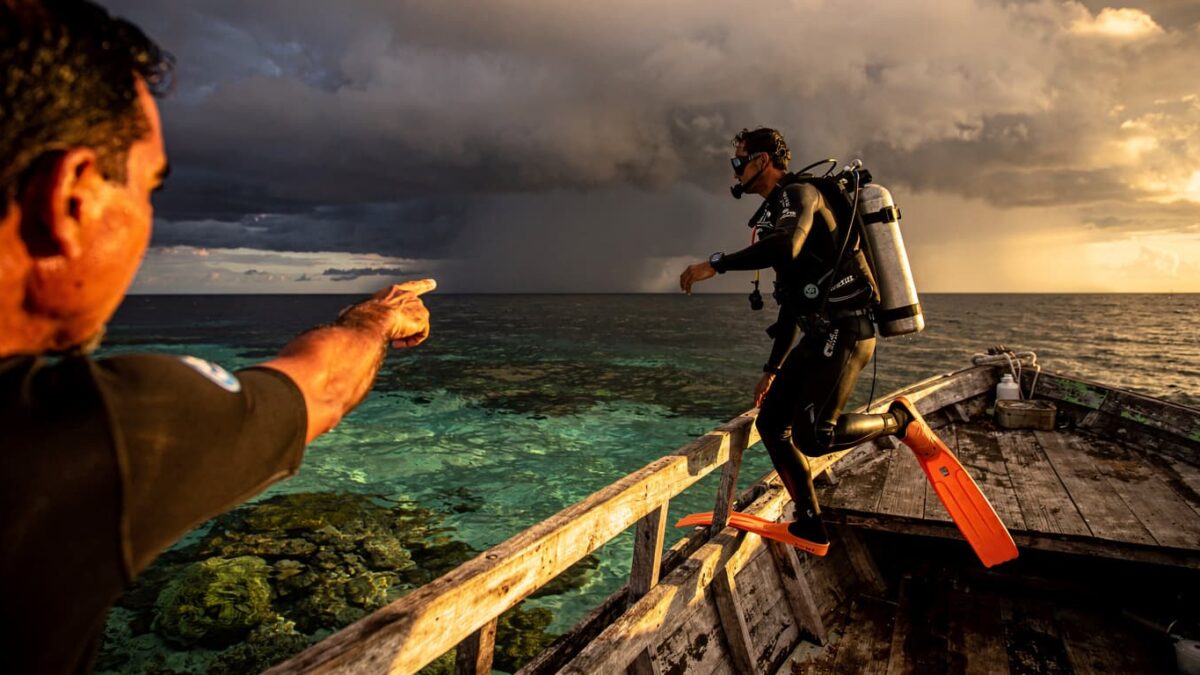
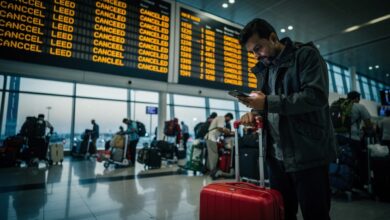
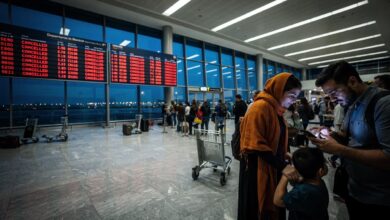
Travelers from Australia and New Zealand planning Micronesia trips between July and November 2026 face significant disruption risk from tropical cyclones that peak during this window. Typhoons can cause flight cancellations, inter-island transport delays, and diving activity closures with minimal warning. Chuuk State lies directly in the major typhoon belt, while Pohnpei sits south-east but still experiences periodic severe storms.
The current travel window (February–April 2026) represents the dry season with minimal cyclone risk. This article covers the typhoon season timeline, which islands face highest risk, and what travelers should do to avoid disruption.
Two typhoons have already struck the Western Pacific in early 2026, confirming active basin conditions ahead of the main season. Nokaen formed in January, followed by Penha in February.
Australian and New Zealand travelers booking Micronesia trips for the second half of 2026 should avoid July through November unless prepared for significant weather-related disruption. This five-month window represents peak typhoon season across the Federated States of Micronesia, when tropical storms with winds exceeding 100 mph can strike multiple islands with limited warning.
The safe booking window closes in June. Travelers targeting diving, snorkeling, or inter-island exploration should schedule trips for February through June 2026 or purchase comprehensive travel insurance covering weather-related cancellations if traveling during peak season.
How severe is the typhoon risk
Micronesia’s location in the Western Pacific typhoon belt creates direct exposure to severe tropical cyclones during the warm-water season. Chuuk State has experienced multiple catastrophic strikes, including Supertyphoon Nina in November 1987 and Typhoon Chata’an in July 2002, both delivering sustained winds above 100 mph.
Pohnpei sits generally south-east of the main typhoon belt but remains vulnerable to periodic severe storms. No Micronesian island is completely immune during peak season.
The Western Pacific basin generates tropical cyclones year-round, but atmospheric conditions from July through November create the highest frequency and intensity of storms. Unlike the Atlantic hurricane season, the Western Pacific season extends through November with sustained risk rather than tapering in October.
Storms develop rapidly — sometimes within 48 hours — making advance planning critical for travelers. Flight cancellations increase 15–25% during peak months (August–October), and inter-island transport via Air Micronesia faces frequent delays or suspensions when storms approach.
Comprehensive travel insurance covering weather-related disruptions is available through providers like World Nomads and Allianz, though policies must be purchased before departure and verified for typhoon-specific coverage.
La Niña’s influence on 2026 storm patterns
The broader South Pacific region is experiencing La Niña conditions through 2025–26, which can influence storm tracks and intensity. NIWA forecasts normal to below-normal tropical cyclone activity across the South Pacific, with elevated risk for Vanuatu, New Caledonia, and northern New Zealand. However, this does not directly predict Western Pacific typhoon intensity for Micronesia, which operates under separate meteorological dynamics.
Why February through June is the safe window
The dry season across Micronesia runs from February through April, with minimal tropical cyclone risk and stable weather patterns. This window offers the most reliable conditions for diving, snorkeling, and inter-island travel.
May and June represent shoulder months with gradually increasing storm risk but still significantly safer than July–November. Travelers booking flights to Micronesia from Australia and New Zealand during this period face minimal weather-related disruption and typically benefit from lower fares — 20–30% below peak season pricing in June–July.
Historical data shows that severe typhoons striking Micronesia between February and June are rare. The warm-water season that fuels tropical cyclogenesis does not reach peak intensity until mid-year, giving travelers a predictable safe booking window.
For Australasian travelers accustomed to cyclone seasons in the Coral Sea and South Pacific, Micronesia’s typhoon season operates on a similar timeline but with higher intensity potential due to warmer Western Pacific waters. Understanding this parallel helps frame the risk — just as northern Australia experiences cyclones December–April, Micronesia faces typhoons July–November.
What to do before booking
If traveling February–June 2026: Book flights and accommodation now to secure optimal pricing and availability. Use Google Flights or Skyscanner to set price alerts for routes to Pohnpei (PNI) and Chuuk (TT) from Sydney, Melbourne, or Auckland. Confirm inter-island transport schedules with Air Micronesia at least four weeks before departure.
If traveling July–November 2026: Purchase travel insurance with explicit coverage for weather-related cancellations, flight delays, and activity disruptions. Verify policies cover “acts of nature” and check for typhoon-specific exclusions. Book refundable flights and accommodation where possible. Monitor National Weather Service Guam/Micronesia forecasts weekly from June onward.
Avoid scheduling critical activities — diving certifications, group tours, wedding ceremonies — during August–October when disruption risk peaks. Build 2–3 buffer days into itineraries to account for potential delays.
For inter-island travel: Confirm Air Micronesia cancellation policies before booking. Storms can suspend inter-island flights for 3–5 days, stranding travelers on outer atolls with limited accommodation options.
Can I still travel to Micronesia in August or September safely?
Yes, but with significantly higher risk. Flights operate year-round, but cancellations increase 15–25% during peak season. Travel insurance covering weather-related disruptions is non-negotiable, and flexibility on dates is essential. Avoid booking non-refundable accommodation or activities during these months.
Which Micronesian islands are safest during typhoon season?
Pohnpei is generally south-east of the main typhoon belt and experiences fewer direct hits than Chuuk, though no island is completely immune. Kosrae also sits outside the primary belt but still faces periodic storm impacts. Check real-time forecasts from the National Weather Service Guam before booking inter-island transport.
What is the cheapest way to visit Micronesia and avoid typhoons?
Travel February–April 2026 when fares are typically 20–30% lower than peak season (June–July) and weather risk is minimal. Book 6–8 weeks in advance for optimal pricing on Continental Micronesia flights from Guam. Air Traveler Club’s fare tracking occasionally flags temporary drops on routes from Sydney and Auckland during this window.
How much advance warning do travelers get before a typhoon hits?
Tropical cyclones in the Western Pacific can develop within 48–72 hours, though meteorological agencies typically issue watches 3–5 days before landfall. This limited warning window makes pre-trip planning critical — travelers cannot rely on last-minute cancellations without financial loss unless insurance is already in place.
Does travel insurance always cover typhoon-related cancellations?
No. Standard policies often exclude “known events” — if a typhoon is already forecast when you purchase insurance, cancellations may not be covered. Purchase comprehensive travel insurance immediately after booking flights, and verify the policy explicitly covers weather-related disruptions, flight delays, and activity cancellations without exclusions for tropical storms.