

Sri Lanka reported 6,521 dengue fever cases in January 2026 — a 31% increase from the same period in 2025. 41 Medical Officer of Health divisions are classified as high-risk, including the Western Province and Colombo. The outbreak follows Cyclone Ditwah flooding in late 2025, which created mosquito breeding grounds that persisted into the dry season. Travelers face higher-than-normal transmission risk during what is typically a lower-risk period.
The surge is driven by unusual environmental conditions, not seasonal patterns. Strict mosquito precautions are mandatory for all travelers, particularly during dawn and dusk hours when Aedes aegypti mosquitoes are most active.
Health authorities in Sri Lanka confirmed a sharp rise in dengue fever cases during the first weeks of 2026, with 2,170 cases reported in the first nine days alone — an average of 240 cases per day. By the end of January, cumulative cases reached 6,521, compared to 4,970 during the same period in 2025.
The National Dengue Control Unit classified 41 Medical Officer of Health divisions as high-risk zones. The Western Province, which includes Colombo and surrounding areas popular with international travelers, is among the most affected regions.
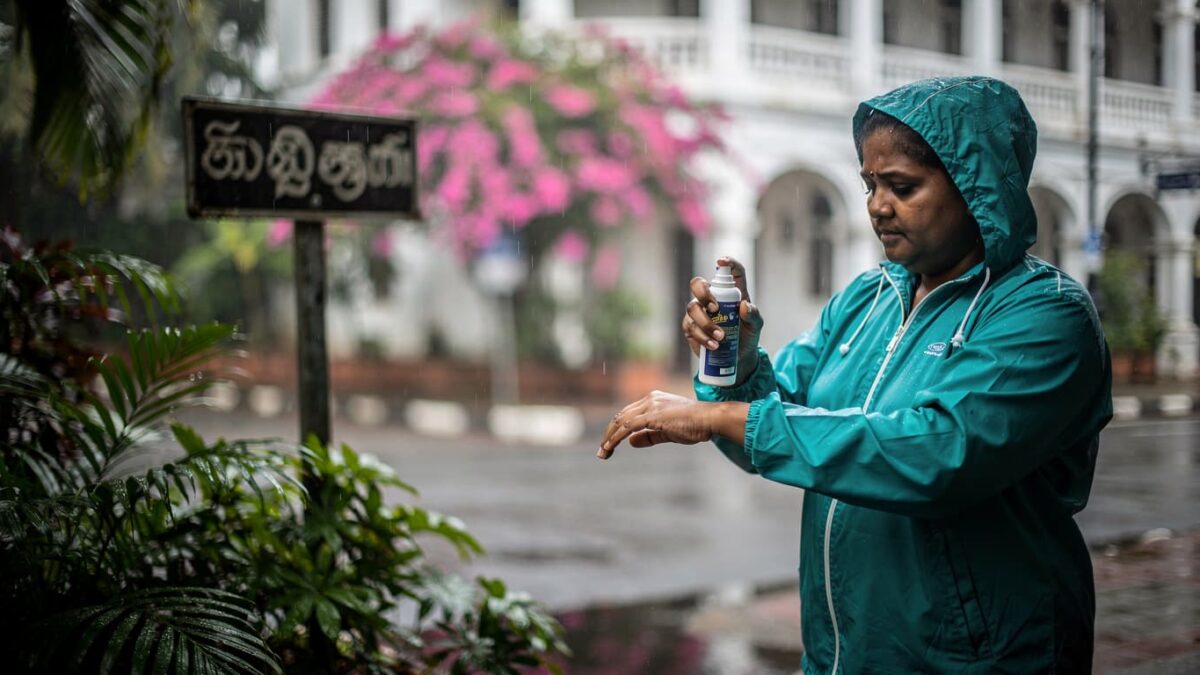
Travelers should implement mosquito bite prevention measures immediately. This includes using EPA-registered repellents, wearing long sleeves during peak mosquito hours, and selecting accommodations with active vector control programs.
Why the outbreak is happening now
The 2026 surge breaks from typical seasonal patterns. Cyclone Ditwah, which struck Sri Lanka in November and December 2025, left floodwaters across dozens of divisions. These stagnant pools became ideal breeding grounds for Aedes aegypti mosquitoes, the primary dengue vector.
Unlike seasonal monsoon flooding, the cyclone’s impact persisted into January — normally part of Sri Lanka’s dry season. Combined with early monsoonal moisture, this extended the mosquito breeding window beyond normal parameters. The result: exponential case growth during a period that typically sees lower transmission rates.
Mosquito breeding sites have been identified in schools, government institutions, places of worship, and abandoned buildings — high-traffic areas where travelers may spend time. Health authorities have intensified surveillance and mosquito-control operations across affected divisions, with school principals and local health authorities instructed to conduct dengue-control programs.
Sri Lanka recorded 51,479 total dengue cases in 2025, establishing the endemic baseline. The current trajectory suggests 2026 totals will significantly exceed that figure if transmission continues at January’s pace.
What makes this outbreak different
The 31% month-over-month increase and sustained 240-cases-per-day average indicate exponential growth rather than endemic baseline activity. This compressed timeline means travelers arriving in February and March face higher-than-normal transmission risk during what is typically a lower-risk period.
The CDC classifies Sri Lanka as a “frequent/continuous risk” destination for dengue, with evidence of sustained transmission across multiple years. Peak transmission typically occurs during the southwest monsoon season from May to September. The current early-year surge is unusual and driven by residual flooding rather than seasonal rainfall.
This timing shift requires year-round precautions rather than seasonal awareness alone. Travelers cannot rely on dry-season travel to reduce exposure — the environmental conditions created by Cyclone Ditwah have overridden normal patterns.
Dengue vs. chikungunya: Both may be circulating
Sri Lanka experienced a chikungunya outbreak in 2025. Both viruses are transmitted by the same Aedes aegypti mosquito. Dengue causes fever, joint pain, and rash; chikungunya causes severe joint pain that can last weeks. Identical mosquito precautions protect against both diseases, but there is no way to distinguish them without laboratory testing.
What travelers should do
Use EPA-registered repellents containing DEET (20-30%), picaridin (20%), or oil of lemon eucalyptus. Reapply every 2-3 hours. Aedes aegypti mosquitoes are most active at dawn (5-7 AM) and dusk (5-7 PM) — plan indoor activities during these windows.
Book accommodations with active vector control programs. Check with hotel management about dengue spraying schedules and request rooms with screened windows. Avoid ground-floor rooms where mosquito entry is easier.
Monitor real-time updates from Sri Lanka’s National Dengue Control Unit via the Ministry of Health. Division-level risk classifications may shift as control measures take effect. Western Province restrictions could change rapidly.
Secure travel insurance with medical evacuation coverage. Dengue has no specific antiviral treatment — care is supportive (fluids, rest, fever management). Severe dengue (dengue hemorrhagic fever) requires hospitalization and may necessitate evacuation to facilities outside affected areas. A medical evacuation from Sri Lanka can cost $50,000 or more, assuming carriers accept the mission during an outbreak.
Travelers considering routes to Sri Lanka from Australasia should factor mosquito precaution supplies into pre-departure planning, as repellent availability in affected areas may be limited during the outbreak.
Is the dengue vaccine available for travelers to Sri Lanka?
The dengue vaccine (Dengvaxia) is approved in some countries but requires three doses over 12 months and is primarily recommended for those with prior dengue infection. Consult a travel medicine provider 4-6 weeks before departure to determine eligibility and timing. The vaccine is not a substitute for mosquito precautions.
What are the symptoms of dengue and when should I seek medical care?
Dengue symptoms include sudden high fever, severe headache, pain behind the eyes, joint and muscle pain, rash, and mild bleeding (nosebleeds, gum bleeding). Symptoms appear 4-10 days after a mosquito bite. Seek immediate medical care if you develop warning signs: severe abdominal pain, persistent vomiting, bleeding gums, blood in vomit or stool, or difficulty breathing. These indicate severe dengue requiring hospitalization.
Can I get dengue more than once, and is a second infection more dangerous?
Yes. There are four dengue virus serotypes (DENV-1, DENV-2, DENV-3, DENV-4). Infection with one serotype provides lifelong immunity to that serotype but only temporary cross-immunity to others. A second infection with a different serotype carries higher risk of severe dengue (dengue hemorrhagic fever). If you’ve had dengue before, inform your travel medicine provider — this may affect vaccine eligibility and precaution intensity.
Are children and pregnant women at higher risk?
Children under 15 and pregnant women face higher risk of severe dengue. Pregnant women can transmit the virus to the fetus, potentially causing premature birth, low birth weight, or fetal distress. If traveling with children or while pregnant, consult a healthcare provider before departure and consider postponing non-essential travel to high-risk divisions until case numbers decline.
How long does dengue immunity last after infection?
Immunity to the specific serotype that infected you is lifelong. Cross-protection against other serotypes lasts only 2-3 months. After that window, you can be infected by a different serotype — and that second infection carries higher risk of severe disease. This is why mosquito precautions remain critical even for travelers who’ve had dengue before.